

Smart garden automation system technology is changing the way people nurture plants at home, making garden care simpler and more reliable than ever. If you want to boost your yields, reduce water waste, and enjoy healthier plants without daily manual effort, a smart system provides a practical solution.
Key Takeaways
- Smart garden automation systems use IoT and sensors for efficient watering, lighting, and monitoring.
- Global demand is rising rapidly, with North America accounting for 40% of market share in 2024.
- Implementing automation saves time, supports better plant health, and helps cut water usage year-round.
- Understanding Smart Garden Automation Systems
- How to Set Up Your Own Smart Garden Automation System
- Advanced Analysis & Common Pitfalls
- Conclusion & Next Steps
- Frequently Asked Questions
Understanding Smart Garden Automation Systems
A smart garden automation system combines wireless sensors, AI-powered controllers, and automated devices to handle irrigation, lighting, pest control, and environmental monitoring in real time. Instead of guessing when to water, you use moisture and sunlight sensors to deliver just what your plants need, right on schedule. These systems are especially useful for busy homeowners, urban gardeners, and anyone wanting a low-maintenance path to healthier gardens.
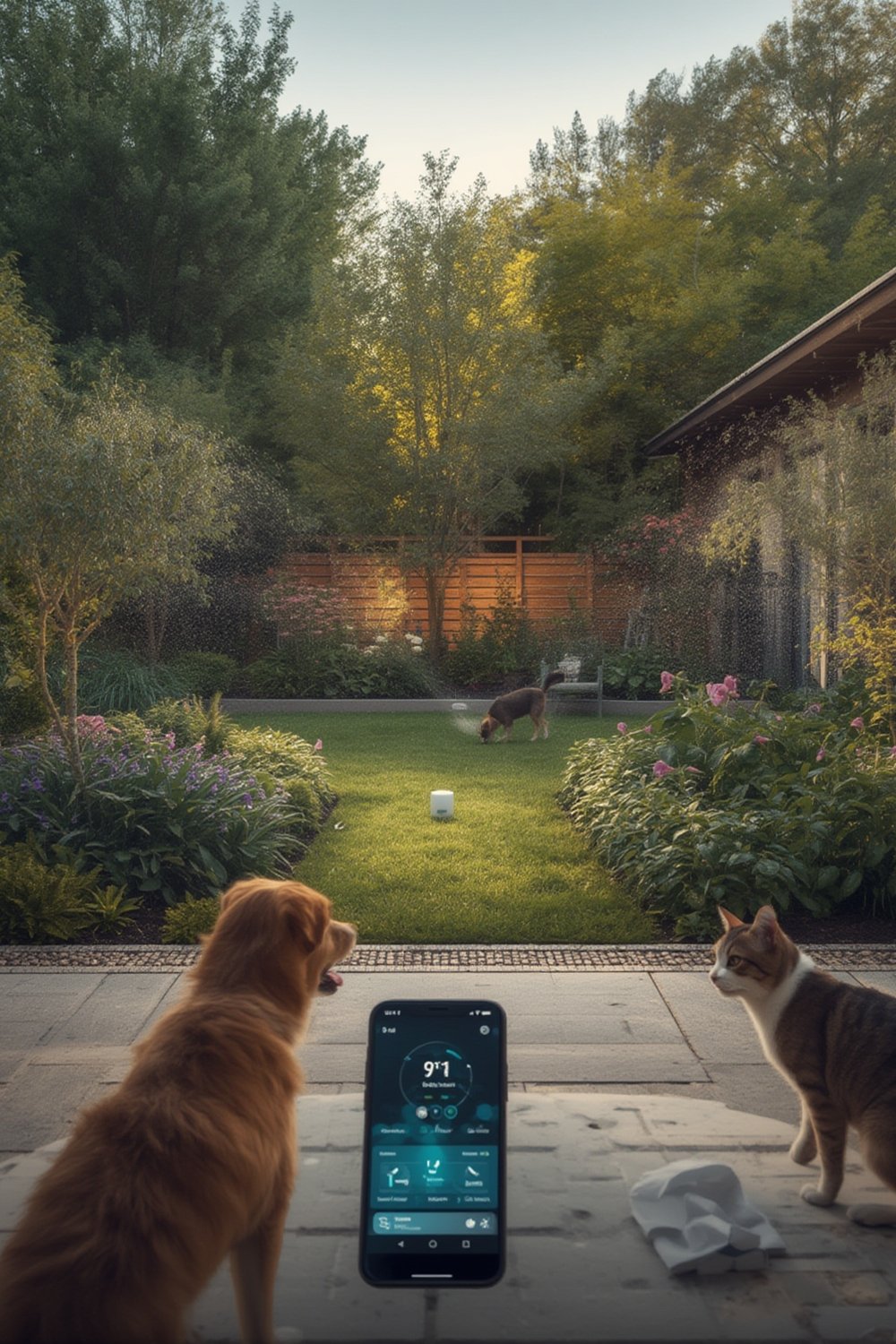
Global adoption is surging. Depending on the source, the smart indoor garden system market in 2024 is valued between USD 2,458.2 million and USD 1.55 billion, with annual growth rates up to 25.6% in Asia Pacific regions. North America leads with a 40% market share, fueled by city living, water conservation needs, and growing IoT adoption.
Modern systems can integrate with your existing smart home environment. They enable you to check data, change schedules, or respond to weather changes right from your phone. You can complement your automated system with easy maintenance lawn and garden products or take on outdoor upgrades described in DIY home and garden project guides for a holistic approach.
How to Set Up Your Own Smart Garden Automation System
Ready to set up your own system? Here is a realistic, step-by-step way to automate your garden care for better results and less hassle.
- Assess Your Garden’s Needs
- List which areas get the most sun, which plants need extra care, and current watering patterns.
- Review solutions for both lawns and plant beds. See top products for outdoor maintenance to support your automation choice.
- Select Core Devices
- Choose a smart irrigation timer compatible with your hose or in-ground sprinkler. Seek versions with WiFi or Bluetooth and app support.
- Add soil moisture, temperature, and light sensors for data-driven care.
- If pests have been a problem, explore smart pest management controllers using AI or eco-friendly sensors.
- Install & Link Components
- Follow manufacturer instructions to install timers, sensors, and any hub/controller.
- Pair each device with your preferred app, configuring zones and plant types where needed.
- weather-resistant furniture to protect controls and offer long-term durability for outdoor systems.
- Connect With Smart Home Platforms (If Available)
- While some devices offer Google Home, Alexa, or Apple HomeKit integration, check compatibility during your research. Not all brands work with every platform as of 2024.
- If integration is important, focus on systems that specifically state support for these services.
- Program Automation & Monitor Results
- Set watering schedules, lighting cycles, or pest defense based on your plant recommendations or climate data.
- Monitor via app for alerts, progress, and possible errors. Take time to tweak as you learn what your garden prefers.
- You can further supplement your setup using products from our easy pet care and product guide to manage both garden and pets efficiently.
- Maintain and Calibrate
- Clean sensor probes, check connections, and update firmware as needed.
- Smart pest management routines should be reviewed at least once per season for best results.

Automating your garden is a process, not a one-time event. Each home environment will present slightly different challenges, so keep notes of what works or needs adjustment.
For greater peace of mind, some gardeners pair their smart system with indoor noise solutions to prevent alerts or timers from disturbing the household.
Advanced Analysis & Common Pitfalls
While a smart garden automation system has many advantages, it’s not always seamless in practice. There are several real obstacles to be aware of, especially before investing.
- Lack of Cost Data: There is currently no solid research on the average upfront and annual costs for a full-featured home setup. Expect variable quotes based on brand and device type. Installation can range from DIY kits under $200 to advanced solutions requiring professional help that may exceed $1,000.
- Pain Points in Apps and Sensors: Despite rapid market growth, there are no published user complaints or consistent pain points for automated watering apps or IoT garden sensors. However, forum threads often mention unreliable wireless connections, tricky initial pairing, or sensors drifting out of calibration. Expect some troubleshooting.
- Integration Gaps: Not all systems work with smart speakers or hubs like Google Home, Alexa, or HomeKit. In 2024, wireless demand is high, but seamless platform integration still depends on model and brand.
- Data Transparency Issues: No studies directly compare water conservation or plant health improvements from smart devices against manual methods. That said, digital automation supports higher yields and efficiency according to industry reports.
- No Real-World Case Studies: There are not yet published, data-backed stories or case studies demonstrating dramatic increases in resource savings or plant health. Most claims are based on lab testing or estimates.
It’s important to weigh these factors against the core benefits. Smart systems save time, provide actionable data, and let you automate plant care reliably most of the time—but they may require trial, error, and occasional manual intervention.
| Feature | Smart Automation | Manual Care |
|---|---|---|
| Water Scheduling | Automatic, sensor-based, adjustable via app | Manual, relies on user memory and local guesswork |
| Plant Monitoring | Real-time updates on moisture, temperature, light | Visual inspection, subjective checks |
| Water Conservation | Optimized, can skip cycles after rain or high moisture | More likely to overwater or underwater by accident |
| Initial Setup Cost | Varies widely, little transparent data | Minimal, mostly time and basic tools |
| Long-term Maintenance | Sensor cleaning, firmware updates, recalibration | Routine garden work, manual scheduling |
| Data-Driven Adjustments | Yes (requires functional sensors) | No (trial and error) |
Finally, remember that while these systems are designed for convenience, they require occasional attention. Always monitor notifications and plan for regular device maintenance, especially if your region has harsh weather or unreliable internet.
Conclusion & Next Steps
Smart garden automation systems are making home gardening accessible, scalable, and dependable—even for those with little time or plant experience. These setups combine smart irrigation, real-time monitoring, and practical data to help gardens thrive with less water and effort.
Expect setup and learning curves, and check that your chosen products work well with your preferred smart platforms. For all-weather improvement, pair your smart garden automation system with durable outdoor furniture or easy-care supplies found in our garden maintenance collection. Start today and let technology support your healthiest, happiest garden yet.
Frequently Asked Questions
What is a smart garden automation system?
It is a connected setup of sensors, timers, and controls that automatically handles watering, lighting, and sometimes pest management for your home garden, minimizing manual effort and waste.
Do these systems really save water?
Industry reports show smart garden systems can optimize water use, skipping or adjusting irrigation cycles based on sensor data and weather patterns. Exact savings will vary by local climate and device quality.
Can I install one if I rent and can’t modify my home’s plumbing?
Many entry-level kits use hose or faucet timers and wireless sensors, so you can install and remove them without permanent changes. Always check landlord policies first.
Are these systems compatible with smart home assistants like Alexa or Google Home?
Some models support integration, but not all. Check product specs carefully—compatibility still varies widely in 2024.
How much maintenance does a smart garden automation system require?
Sensor probes should be cleaned seasonally, firmware updated when offered, and connections checked periodically to ensure accuracy and security.