

Compost tumbler reviews are one of the best ways to choose the right system for quick, low-odor composting in your backyard—but not all models deliver as promised. This guide cuts through marketing claims and highlights proven features, workable action steps, and real limitations you’ll face when using compost tumblers or dual chamber composters.
Key Takeaways
- The compost tumbler market is booming due to eco-friendly waste reduction needs, with dual-chamber designs trending for speed and convenience.
- Most tumblers help control odors and pests, but “truly odor free” results depend on effective aeration and regular maintenance.
- Lack of standardized specs and verified user performance data means careful setup and realistic expectations are essential for successful results.
- Understanding Compost Tumblers: What & Why
- Actionable Steps for Effective Compost Tumbler Use
- Advanced Analysis & Common Pitfalls
- Conclusion
- FAQ
Understanding Compost Tumblers: What & Why
Compost tumblers are enclosed, rotating bins that speed up natural decomposition by letting you regularly mix food scraps and yard waste with minimal effort. Market research in 2024 shows demand soaring due to the need for diversion of kitchen organics—30% of landfill waste—from trash streams (source). dual chamber compost tumblers, the leading design trend, provide one chamber “cooking” while the other fills up, supporting continuous production—especially important for urban gardeners who lack yard space for multiple compost piles.
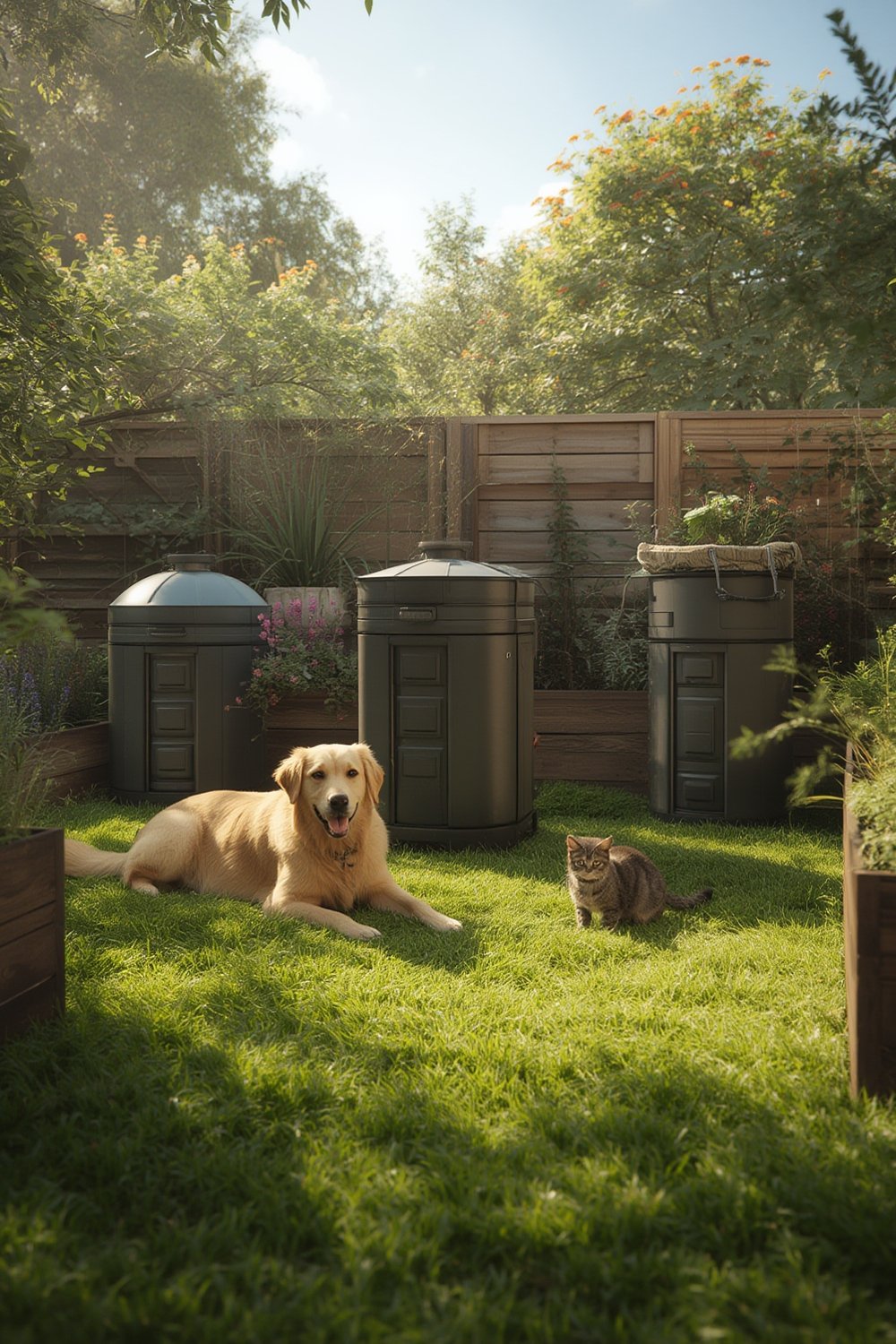
With North America holding 40% of the global market share and 25% of U.S. households composting, features that reduce rotating effort, enhance aeration, and cut back on odor or pests are now standard in most tumblers (source). Newer models also leverage recycled materials and smart sensors, but proven benefits still center on fast, simple composting—if you follow key steps and avoid common mistakes.
Actionable Steps for Effective Compost Tumbler Use
Compost tumbler success depends less on brand specs and more on practical use. Here’s a realistic process to follow:
- Choose the right size. Estimate your weekly food/yard waste (e.g., one 60-80 gallon bin handles up to a mid-size family’s input).
- Pick a spot with sun and easy access. Warmth helps, but avoid placing directly against the house or fence to allow for easy rotation.
- Add a balanced mix. Aim for two parts carbon-rich (browns—leaves, shredded cardboard) to one part nitrogen-rich (greens—food scraps, grass clippings). Chop or shred materials for faster breakdown.
- Monitor moisture. Compost should feel like a wrung-out sponge. Add dry browns if it’s wet or water if it’s dry.
- Turn the tumbler 2-3 times per week. Regular rotation introduces air, a key factor in odor and speed.
- Check for pests. Keep vents closed and don’t add meat, dairy, or oily food scraps.
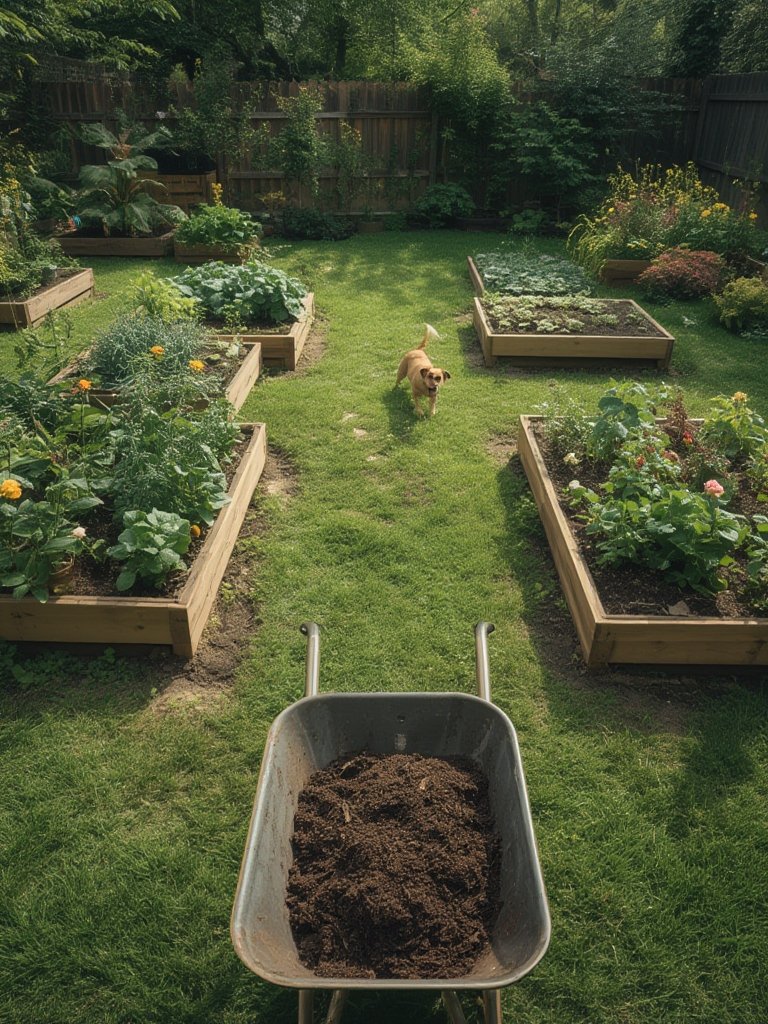
- Harvest finished compost. Wait until material is dark, crumbly, and earthy smelling. Most tumblers don’t offer exact timelines, but expect 2-6 months depending on climate, load, and diligence.
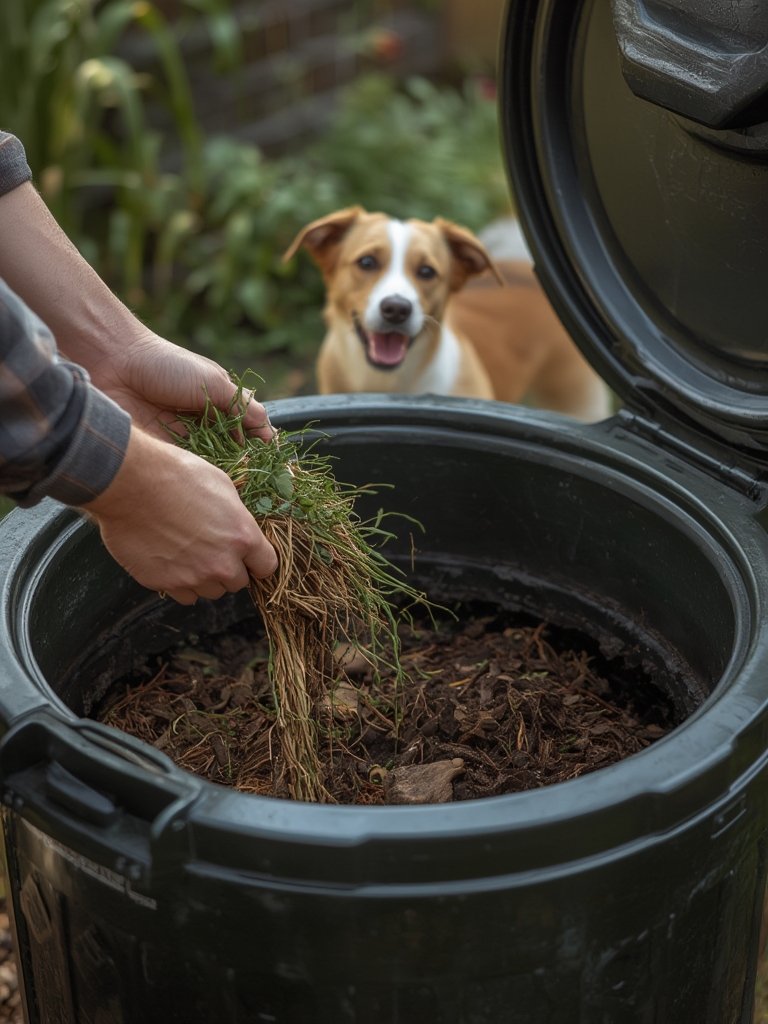
Dual-chamber models enable continuous composting but require you to manage chamber loads diligently—fill one side fully before starting the next. For those wanting to optimize every square foot, integrating with a vertical garden wall system or automating moisture checks using a smart garden automation system can further enhance efficiency.
If you’re purchasing supplies, shop at reputable local centers for quality—see our guide to Lowe’s and local home improvement options for home and garden projects for more do-it-yourself resources.
Advanced Analysis & Common Pitfalls
Despite their rising popularity, compost tumbler reviews highlight several pitfalls and design limitations that new buyers should know. Common complaints include:
- Odor control can fail if moisture or aeration is not balanced, especially in wet climates or with excessive food scraps.
- Rotation is not always easy—larger tumblers become heavy when fully loaded, so choose a model with sturdy handles and well-designed rotation mechanisms.
- Composting speed is variable. Without ample airflow, chopped materials, and correct C:N ratios, even “fast” tumblers take several months under real-world backyard conditions. Timeframes of 2–6 months are far more realistic than the “4–6 weeks” some brands claim.
- Pest prevention works if you’re diligent. Raccoons and rodents rarely break into sealed tumblers, but leaving vents open or letting scraps accumulate on the ground will attract them.
- No standardized specs or ratings. Recent reports don’t include brand-by-brand comparisons, so be wary of bold claims without third-party verification. Look for warranties and easy-to-clean designs.
| Feature | Dual Chamber Tumbler | Single Chamber Tumbler |
|---|---|---|
| Continuous Composting | Yes | No |
| Composting Speed (Typical) | 2–4 months* | 3–6 months* |
| Pest Resistance | High | High |
| Odor Control | Better (if maintained) | Moderate |
*No lab-verified data—timeline varies by use, temperature, and material.
Finally, don’t forget ongoing maintenance. Clean the tumbler between batches. Inspect seals and hinges seasonally to keep pests out and odors contained. For landscaping solutions that complement your composting efforts, see our resources on easy outdoor maintenance products and rain garden design for water-wise gardening.
Conclusion
The right compost tumbler makes home composting cleaner and faster, but there’s no magic device—aeration, moisture balance, and maintenance are key. Dual chamber designs, odor-control features, and attention to a proper mix give you an edge. Since compost tumbler reviews rarely provide standardized, reliable specs, approach your purchase and use with realistic expectations. Ready to start composting smarter? Check our latest guides, and compare different options before you buy. Use this compost tumbler reviews article as your reference and share your own results with our community.
For more inspiration, explore our guide to durable and stylish outdoor furniture solutions for a compost-friendly backyard setup.
FAQ
How does a dual chamber compost tumbler work?
Dual chamber tumblers have two separate rotating compartments. Fill one side, let it finish composting, and keep adding fresh scraps to the other. This setup lets you harvest finished compost while new material is still breaking down.
Why is odor control a challenge in compost tumblers?
Odor often results from wet conditions, lack of airflow, or too much nitrogen (greens) in the mix. Regularly turning the tumbler and adding carbon-rich “browns” helps prevent smells.
How long does it take for a compost tumbler to make usable compost?
No recent lab tests confirm exact times. Real-world use typically ranges from 2 to 6 months, depending on temperature, materials, and how often you turn and balance the contents.
Can compost tumblers attract pests?
Sealed tumblers do a good job preventing pests if you avoid meats, dairy, or oily scraps and keep all latches and vents shut. Periodic cleaning and proper setup lower risk further.
What design features speed up composting?
Dual-chamber tumblers, aeration vents, moisture control systems, and smooth rotation mechanisms all help speed up the composting process—especially when used with finely chopped materials and proper C:N balance.