

Mini split AC installation DIY is an appealing way for homeowners to save thousands on home cooling, but there are major technical, safety, and legal factors that demand a close look before you start.
Key Takeaways
- DIY mini split AC installation can save $1,000 to $3,000 in upfront labor, but carries real risks to warranty and performance.
- Common issues include leaks, wiring dangers, lack of tools, and possible code violations if not properly permitted.
- Professional installs ensure peak efficiency and protect your investment, but DIY can succeed for those ready for a challenge.
- What is Mini Split AC Installation DIY and Why Do Homeowners Choose It?
- Step-by-Step Guide to Mini Split AC Installation DIY
- Advanced Analysis & Common Pitfalls of DIY Mini Split Installation
- Conclusion
- Frequently Asked Questions
What is Mini Split AC Installation DIY and Why Do Homeowners Choose It?
Mini split AC systems are ductless, highly efficient alternatives to central air conditioning or room AC units. Mini split AC installation DIY means buying and installing your own ductless system, bypassing professional HVAC labor. Homeowners are attracted to this option mainly for major cost savings—by eliminating installer fees, you can often keep $1,000 to $3,000 in your pocket [source]. The parts are typically just a few boxes: an indoor wall unit, an outdoor condenser, refrigerant lines, wiring, and mounting hardware.

But this savings-driven approach comes with trade-offs. DIY installation requires advanced skill with electrical wiring, refrigerant handling, and code compliance. Also, most manufacturers will void your system warranty if a licensed technician doesn’t do the work. Despite this, if you have time, patience, the right tools, and a willingness to navigate code and permit rules, a successful DIY mini split project can lower long-term energy bills while avoiding the cost and disruption of ductwork.
Step-by-Step Guide to Mini Split AC Installation DIY
Ready to try installing a mini split system on your own? Follow these step-by-step instructions to maximize your chances of success, keep your investment safe, and stay code compliant.
-
Choose the Right System:
Select a properly sized mini split for your room. Oversized systems waste money and underperform. Check SEER ratings and low-temperature capabilities for your climate. -
Gather Tools, Parts, and Permits:
You’ll need:- Drills, hole saw, level, wrenches, vacuum pumps, HVAC gauge set
- Concrete pad or wall brackets
- line set cover, armored cable, weatherproof disconnect box
- Refrigerant-safe gloves and safety goggles
- A dedicated electrical circuit (licensed pro usually required)
Permits typically run $250-$400. For more on the permitting process and DIY home upgrades, see our Lowe’s and local home improvement guide.
-
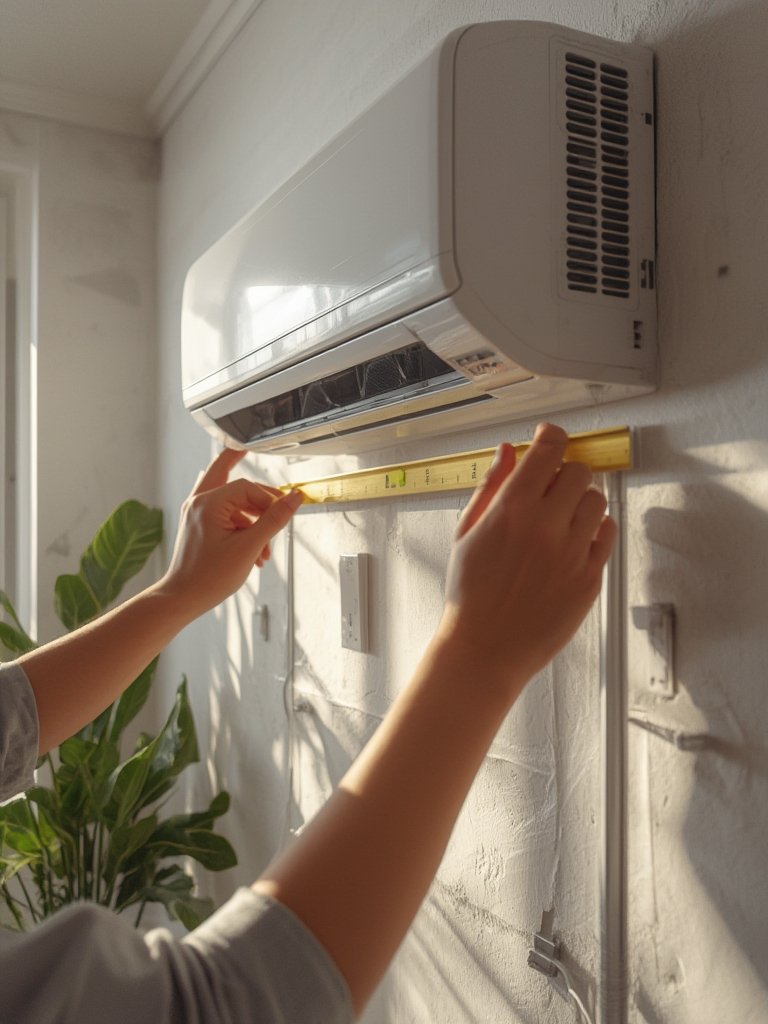
Mount the Indoor Unit:
Find a secure wall location, away from direct sunlight and obstructions. Mount the backplate level, drill a 2-3” hole for the line set, and anchor the indoor unit securely. -
Install Outdoor Condenser:
Place the condenser on a level concrete pad or wall brackets, 12” or more away from obstructions for airflow. Secure it per manufacturer spec. -
Run the Line Set and Wiring:
Pass the refrigerant pipes, drain hose, and control wiring through the hole. Connect as instructed—improper sealing or kinking is a leading cause of system failure and refrigerant loss. -
Connect Power and Test:
Many DIYers must hire a licensed electrician for the dedicated circuit (expect $250+). Double-check wiring diagrams, then power up and test for leaks, electrical shorts, and proper cooling. -
Finish and Conceal:
Install line set covers and weatherproof any outdoor penetrations. Secure all connections and tidy up. Save all manuals and permit documents for insurance/warranty purposes.
For detailed advice on minimizing day-to-day yard and garden maintenance to free up time for bigger DIY projects, see our outdoor maintenance essentials guide.
If DIY is not your style, professional installation protects against errors and offers a warranty—but at a steeper price. Most pros charge $500–$2,000 for labor, and buying equipment separately can still save you $300–$700 compared to bundled packages [source].
Advanced Analysis & Common Pitfalls of DIY Mini Split Installation
DIY mini split AC installation comes with potential risks that range from frustrating to financially costly. Here’s a realistic view of what commonly goes wrong (and why):
- Leaks and Inefficiency: Poor sealing of refrigerant lines or loose electrical connections can lead to refrigerant loss, cycling problems, and weak cooling output.
- Wiring Hazards: High voltage connections—if incorrectly installed—pose a genuine risk of fire or electrocution. Code violations can also prevent resale or insurance coverage.
- Mounting Missteps: Improper indoor or outdoor mounting leads to vibration, excess noise (sometimes mistaken for product defects), and water leaks.
- Specialty Tool Shortages: Vacuum pumps, torque wrenches, and gauge sets raise the barrier to entry. Skipping these steps can cause damage not covered by warranty.
- Voided Warranties: Most manufacturers require licensed installation for warranty coverage. DIY attempts mean you’ll likely be on your own for pricey component failures.
- Code and Permit Risks: Missing a municipal permit or failing an inspection can trigger hefty fines and force removal. Dedicated circuits nearly always require a professional.
In the battle of DIY versus hired installation, performance data from technical studies is still lacking, but industry consensus and Consumer Reports warn that improper install leads to higher energy bills and reduced system life [source].
| Factor | DIY Installation | Professional Installation |
|---|---|---|
| Total Cost (Single Zone) | $700–$5,000 plus tools | $2,000–$14,500 (all-in) |
| Warranty | Usually Void | Full Manufacturer Coverage |
| Permit Requirements | Nearly Always Required ($250–$400) |
Managed by Installer |
| Performance Risk | High (user error lowers efficiency) | Low (installer expertise) |
| Long-Term Maintenance | Higher risk of leaks/issues | Minimal if properly installed |
| Electrical Work | License Needed for Circuit | Included |
| Time Commitment | 10–18 hours typical (1 day to full weekend) | 4–8 hours (pro team) |
If you’re reviewing other home upgrade projects where time and labor are major factors, check our comparison on garage floor epoxy DIY versus pro install, and for further energy savings, explore thermal curtain upgrades.
Ultimately, for most, the biggest setbacks include technical mistakes, failed inspections, and empty warranties. If you’re risk-tolerant and detail-oriented, however, the savings may be well worth it.
Conclusion
DIY installation of a mini split AC gives you control over costs, timing, and system selection, and can reduce upfront expenses by as much as $3,000, especially on simple, single-zone installs. But systems installed without proper training or permits face higher rates of leaks, breakdowns, and denied warranty claims. While mini split AC installation DIY is technically possible for handy homeowners, always measure your skill, research local code, and budget for tools and possibly an electrician.
Ready to decide if you’ll tackle this project or hire a pro? Assess your comfort level, research your local codes, and don’t forget to explore related home upgrades like vertical garden wall systems and DIY indoor mushroom gardens while you’re at it! Make your investment last by choosing the installation path that matches your skills and risk tolerance.
Frequently Asked Questions
How much money can I realistically save by installing a mini split AC myself?
DIY installation usually saves $1,000 to $3,000 by avoiding labor charges, but you’ll spend extra on tools and permits. Factor in potential costs if you later need a professional to remedy errors. Learn more here.
Does DIY installation void the equipment warranty?
Yes. Most ductless mini split manufacturers require licensed installation for their warranty to be valid. If you install the unit yourself, warranty coverage is likely void, unless you buy a specific DIY-labeled model.
Can I pull my own permit and do everything myself?
In many US municipalities, you can pull your own permit for mechanical work, but a licensed electrician must install the dedicated circuit. Call your local code office to verify before starting.
How does a mini split’s efficiency compare to a window AC or portable AC?
Mini split ACs are generally much more efficient—30–40% energy savings over central air and more than room or window ACs. They are also much quieter and have a longer lifespan with proper maintenance.
What are the top mistakes homeowners make installing mini splits DIY?
Common beginner errors include improper refrigerant connections, skipping code-required permits, choosing the wrong unit size, bad electrical work, and not sealing penetrations/weatherproofing correctly.