

### Blog Post:
Artificial grass pet friendly solutions are transforming backyards for dog owners seeking a clean, odor-free, and low-maintenance alternative to natural lawns. Whether you’re a proactive pet parent or dealing with ongoing issues from your current turf, understanding today’s pet-specific synthetic grass can help you avoid costly mistakes.
Key Takeaways
- Most modern pet-friendly artificial grass includes antimicrobial infill and advanced drainage to minimize odors and bacteria from dog urine.
- Brands with pet-specific features outperform standard turf for odor, drainage, and long-term durability but often cost more upfront.
- Neglecting proper installation, cleaning, or infill choice are common reasons for odor retention and turf disappointment.
- What Makes Artificial Grass Pet Friendly?
- How to Choose and Install Pet Friendly Artificial Grass: Step by Step
- Advanced Analysis & Common Pitfalls
- Conclusion
- Frequently Asked Questions
What Makes Artificial Grass Pet Friendly?
Pet friendly artificial grass is engineered for homes with dogs and cats. High-traffic pet turf stands apart from basic landscaping turf in three vital ways: antimicrobial technology embedded in the infill and backing, optimized drainage layers, and increased durability to withstand pet activity.
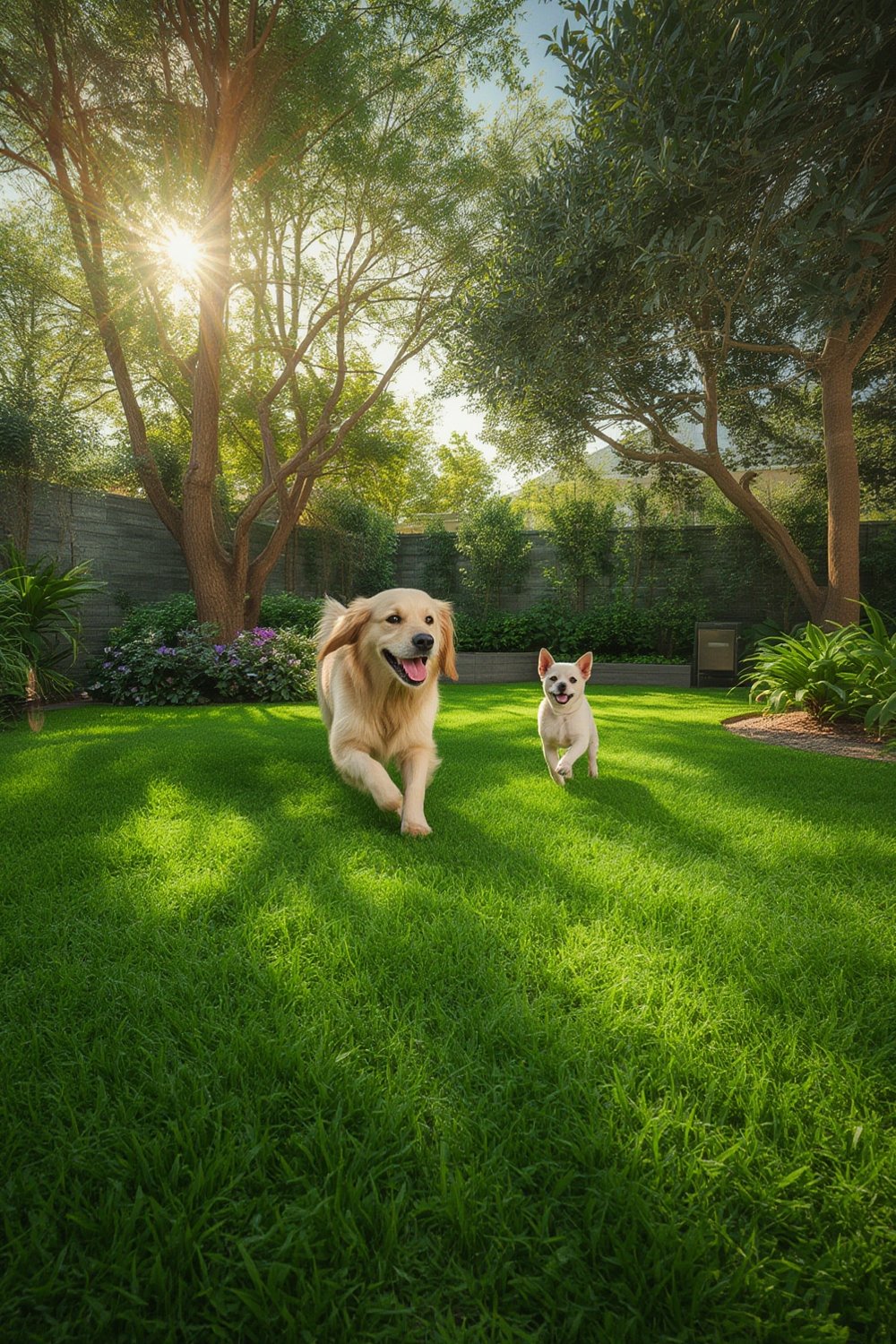
Manufacturers infuse antimicrobial tech, such as Microban® or Sanitized®, into the fibers, infill, or backing to prevent bacteria and mold responsible for stubborn pet odors. High-performance turf uses heavy metal-free antimicrobial options like LapisShield to protect pets and the environment.
Drainage is another area where dedicated pet turf shines. Standard decorative turf causes standing water, poor urine drainage, and recurring odors. By contrast, pet-focused brands incorporate perforated backings and advanced infill for drainage rates upwards of 60 inches per hour. This prevents liquid buildup and disperses urine quickly, breaking down odor-causing compounds at the source.
Durability is equally crucial. Dog-friendly artificial grass uses higher density fibers and multi-layered backings to withstand digging, matting, and rough play over years of pet traffic. Premium products, like those used in best artificial grass for pets guides, can last 15+ years.
As a result, homeowners enjoy cleaner yards, easy cleanup, and eliminate the brown patches and mud zones that come with real lawns. Upgrading your yard with synthetic grass for dogs is a proven solution, especially when persistent pet odors or costly lawn repairs are driving you to your wit’s end.
How to Choose and Install Pet Friendly Artificial Grass: Step by Step
Unhappy with muddy paws and lawn damage? Here’s a practical breakdown for choosing and installing artificial grass that keeps both pets and owners happy:
- Assess Pet Traffic and Location
Start by evaluating where your pets spend the most time and the soil composition. Use artificial grass installation cost calculators for a clear budget. - Compare Turf Features
Look for keywords such as “antimicrobial,” “perforated backing,” and “pet specific infill” in product specs. Trust brands that cite independent testing—for example, Envirofill’s Microban® (99% odor reduction, up to 99.99% bacteria inhibition) or SYNLawn’s Sanitized®.
For a deep dive, check out our pet safe artificial grass breakdown. - Vet Drainage Capacity
Ensure the artificial grass allows water to pass through at rates of 50–100+ inches per hour, such as ProGreen’s Pet Turf. Inferior turf traps urine and water, which causes lingering smells. - Plan for Professional Installation or DIY
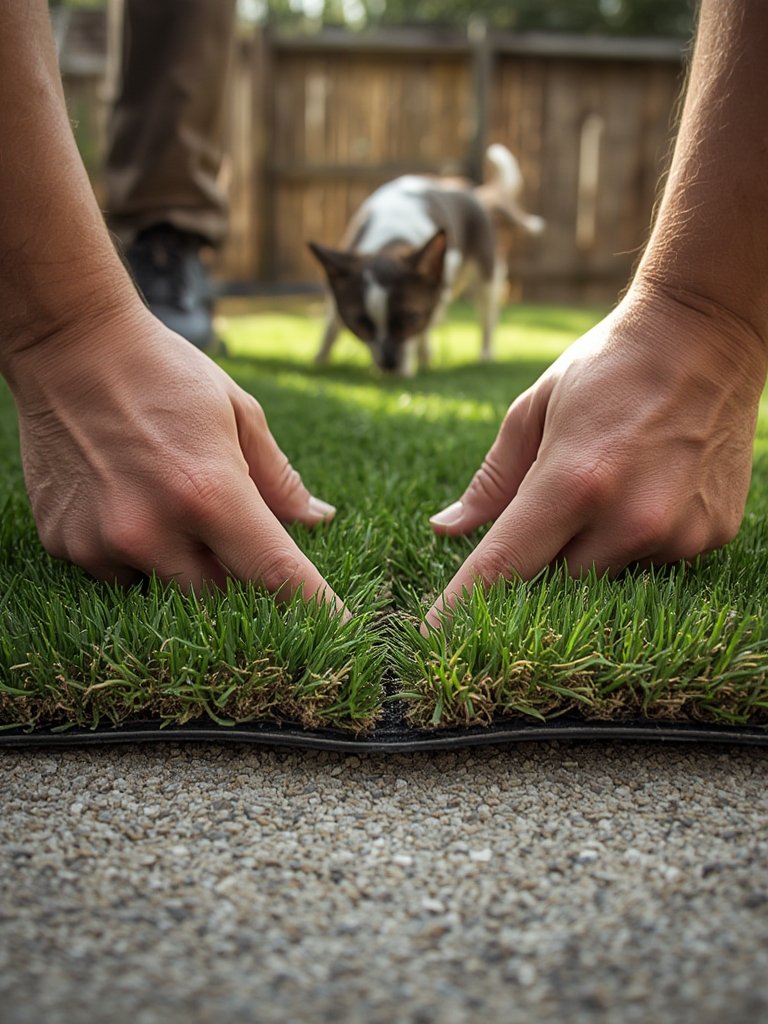
Proper base prep matters. Excavate at least 3–4 inches deep. Add a compacted crushed rock layer for drainage. Never skip a weed barrier or use road base with fine dust that could clog your drainage. - Use the Right Infill
Choose an Envirofill or Zeolite to neutralize urine odors. Avoid sand or rubber crumb, which traps bacteria and makes cleaning difficult.
- Maintain Regularly
Pick up solid waste promptly. Rinse urine spots with a hose and use a mild, turf-safe cleaner—brands such as ProGreen offer odor-neutralizing sprays for ongoing care. Brushing the turf weekly with a stiff broom or power brush keeps blades upright and prevents matting in high-traffic pet zones. Learn more in our recommended how to clean artificial grass tutorial. - Review Warranties & Certifications
Ideally, choose turf with a written warranty—check for clauses on matting, color fade, and product lifespan. For pet areas, prioritize reviews from real dog owners like those collected in our artificial grass reviews.
Properly selected and installed, best fake grass for dogs will outperform natural lawn year-round, even with a pack of pets.
Advanced Analysis & Common Pitfalls
Let’s break down the most frequent issues dog owners experience, plus measurable performance between leading pet-friendly turf and standard decorative turf.
| Feature | Pet Friendly Artificial Grass | Standard Synthetic Turf |
|---|---|---|
| Antimicrobial Protection | Microban®, Sanitized®, LapisShield (factory infused, heavy metal-free) | Often none, or only in infill |
| Drainage Rate (in/hr) | 60+ (market leaders; advanced perforation) | 10–30 (basic turf with limited drainage) |
| Odor Prevention | 99–99.99% odor and bacteria reduction | No protection; odors occur rapidly |
| Installation Cost | Higher upfront | Lower, minimal features |
| Maintenance | Simple rinse & periodic brushing | Frequent deep cleaning required |
Common complaints from consumers include:
- Odor Retention: Cheap or old turf that lacks antimicrobial infill rapidly develops dog urine odors—especially without regular rinsing or turf safe cleaners.
- Poor Drainage: Standing water, puddling, and urine pooling are common when turf is installed over an unprepared base or lacks proper perforations in the backing.
- Matting and Wear: Heavy pet activity flattens blades on lower quality turf and can cause rapid deterioration, particularly in high-use areas like runs or kennels.
- Cleaning Uncertainty: Not all commercial turf cleaners are pet safe; stick to manufacturer-recommended products to avoid residue and buildup.
- Missed Product Details: Many shoppers overlook key differentiators—such as whether antimicrobial treatments are embedded for the product’s lifetime or just applied to the infill. Confirm with brand documentation or reliable review aggregators before you buy.
Buyers must also consider warranties. Few brands explicitly guarantee against urine staining or matting, but best-in-class turf (e.g., ProGreen) maintains high fiber density and color for 15+ years, providing superior longevity and value [see comparison].
Finally, don’t forget total cost of ownership. Despite higher upfront investment, artificial grass eliminates water, fertilizer, and mowing expenses—delivering payback within several years.
Conclusion
Choosing the right artificial grass pet friendly system can radically improve the cleanliness, comfort, and longevity of pet play spaces—but only with proper planning, brand research, and maintenance follow-through. Today’s best options outperform old-style turf and natural lawns on every level, but skipping antimicrobial features or expert installation can still lead to disappointment. Ready to compare products, see real-world results, and get quotes? Start with our artificial grass buying guide to take the next step today.
Frequently Asked Questions
Will artificial grass burn my dog’s paws in summer?
Most pet-friendly turf options use UV-resistant fibers and stay cooler than older models, but on very hot days, the surface can get uncomfortably warm. Place your hand on the turf; if it’s too hot for your skin, keep pets inside or provide a shaded area.
Does pet urine ruin artificial grass over time?
Not if you choose a dedicated pet turf with antimicrobial infill and rinse regularly. Without odor-controlling technology, standard turf can develop lasting urine odors and discoloration, so choose wisely.
How do I maintain artificial grass for dogs’ urine and waste?
Scoop up solids as soon as possible. Rinse urine spots with clean water daily and treat with turf-safe, odor-neutralizing sprays weekly, especially in hot or humid climates.
Are warranties against matting and urine staining standard?
No. Most leading brands offer material and color-fade warranties but rarely guarantee protection against urine stains or matting. Check terms carefully, and consult our artificial grass warranty checklist for details.
What’s the price difference compared to real grass?
Pet-friendly synthetic turf costs more upfront but saves on water, fertilizer, and mowing for 15 years or more, delivering lower total costs within 4–6 years for most homeowners.