

### Blog Post:
Whole house water filtration is changing how homeowners think about water quality, health, and property value. This technology filters all the water entering your house, protecting your family from contaminants beyond just what you drink. If you want cleaner tap water for bathing, laundry, and every faucet, understanding these systems is a must.
Key Takeaways
- The global home water filtration market is booming, valued at USD 13.98 billion in 2024 and projected to more than double within a decade.
- Whole house systems target all water entering your home—meaning cleaner drinking, bathing, and laundry water for every room.
- There are real installation, maintenance, and performance differences between whole house filters and simple faucet or under-sink devices.
- The Core Concept
- Step-by-Step Guide
- Advanced Analysis & Common Pitfalls
- Conclusion
- Frequently Asked Questions
The Core Concept
Whole house water filtration systems, also known as point-of-entry (POE) filters, install where water first enters your home. They filter all incoming water before it gets distributed to your showers, sinks, washers, and appliances. These systems are designed to handle high flow rates and a range of contaminants—like chlorine, sediments, heavy metals, PFAS, and even bacteria—across your entire plumbing system.
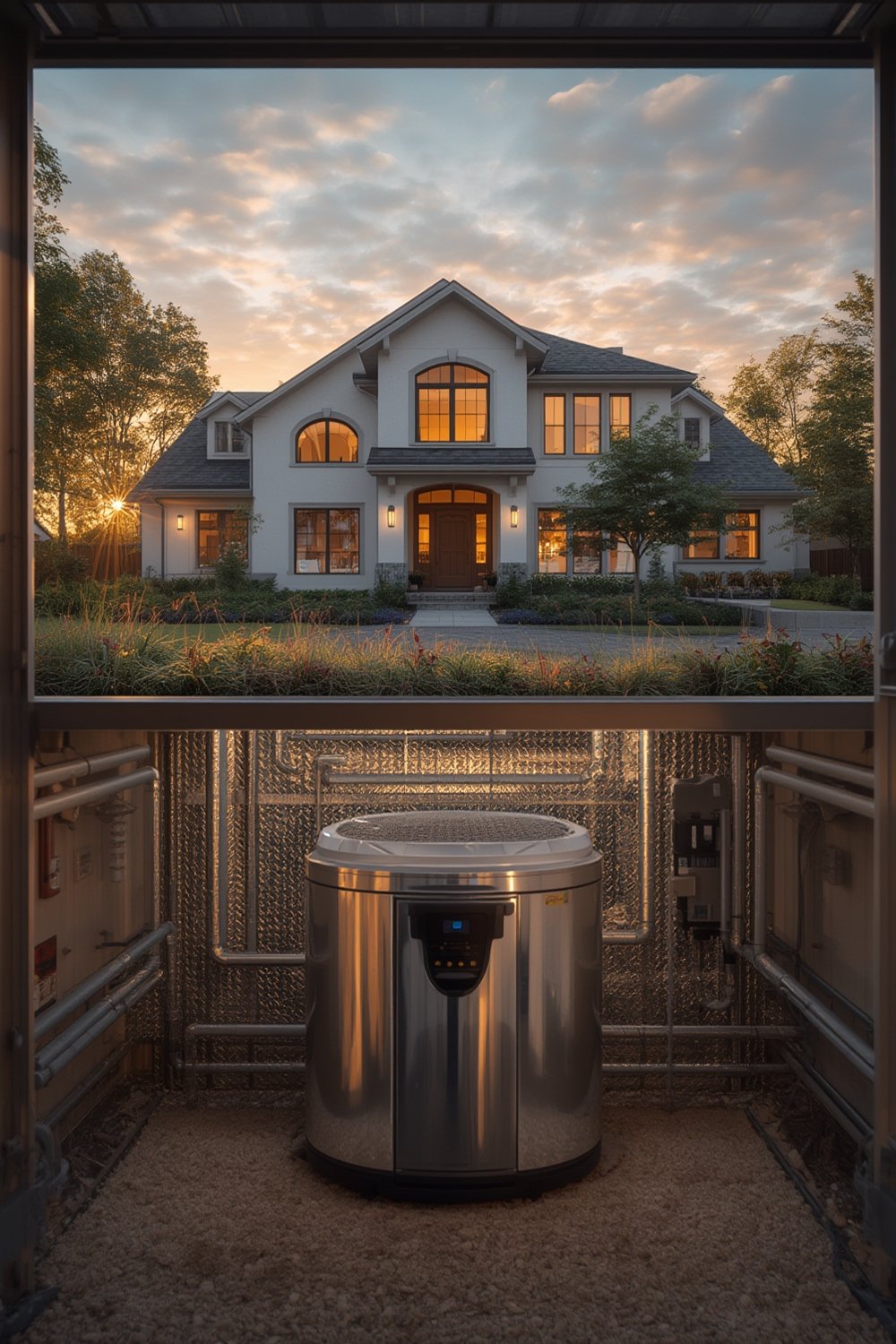
Unlike point-of-use filters (for just one tap or appliance), POE systems offer whole-home benefits: cleaner skin and hair during showers, longer-lasting plumbing, better-tasting cooking water, and less limescale. Market demand for these solutions has surged, with the global whole house water filtration market reaching USD 4.8 billion in 2024source.
Growth in North America is driven by aging water mains, increased user concern over chlorine and lead, and stricter rules around PFAS contaminationsource. Meanwhile, Asia Pacific leads globally due to larger populations, rapid urbanization, and waterborne illness awarenesssource.
If you want to do even deeper research on market trends, this report gives full breakdowns.
Step-by-Step Guide
Ready to get whole house water filtration up and running? Here’s how it works, what to expect, and how to avoid common mistakes.
- Assess Your Water Source
Is your water supplied by a city? Or do you use a private well? Each source has distinct risks—city water often means chlorine and chloramine, while wells can harbor iron, manganese, bacteria, or pesticides. Knowing your supply informs technology choices. - Choose a System Type
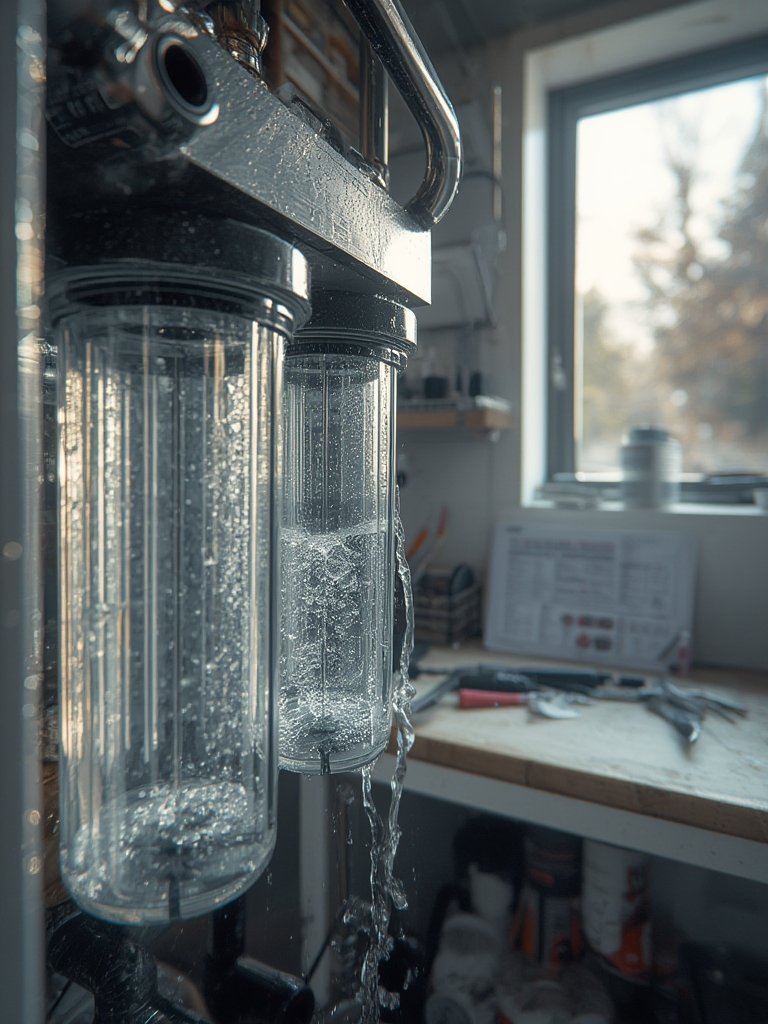
Options include carbon-based (great for chlorinated water), UV (for bacteria), multi-stage (handles several contaminants at once), and specialty filters (like iron or sulfur removal). Weigh flow rate, contaminant profile, maintenance, and budget. For a breakdown of how these compare to under-sink or fridge filters, see our countertop vs under sink filter guide. - Estimate True Costs
You must factor in not just purchase price, but also professional installation and annual filter replacements—maintenance costs are frequently underestimated. On average, comprehensive systems (including installation) can range from $1,000 for basic carbon setups to $5,000 or more for multi-stage solutions. For more on hidden costs, check out our resource on whole house filter value. - Plan Your Install
Unless you’re very handy, installation is best left to a licensed plumber. POE systems require shut-off valves, stable mounting, and adequate space. Review our guide on installation steps to prepare. - Ongoing Maintenance
Most filters need annual replacement. If ignored, performance drops and water quality can degrade—even reverse! Maintenance frequency depends on system type and water quality. Don’t forget to check pressure gauges and flush systems regularly. For more detail, see our filter change frequency article.
Advanced Analysis & Common Pitfalls
The right whole house water filtration system can transform your home experience, but that doesn’t mean it’s foolproof. Here’s what most first-time buyers miss—and what competitor articles rarely mention.
Common Pitfalls
- Ignoring Water Diagnosis: Skipping professional lab testing leads to wrong filter choices—leaving you exposed to contaminants or wasting money on unnecessary features.
- Poor Maintenance Habits: Many users forget annual filter changes or misuse generic replacements, lowering system effectiveness.
- Underestimating Installation Complexity: POE filtration often means pipe modifications, bypass valves, and electrical work (for UV models). DIY efforts can void warranties or trigger leaks.
- Overlooking Certifications: NSF/ANSI certified systems give you verified contaminant removal rates. Without these, claims may be unsubstantiated—but data on the newest certifications is often overlooked.
- Performance vs POU Filters: POE filters treat all water but may have lower contaminant removal percentages versus specialized point-of-use filters. Know what you’re trading off before investing your money.
Whole House vs Point-of-Use Filters: Comparison Table
| Feature | Whole House (POE) | Point-of-Use (POU) |
|---|---|---|
| Coverage | All water in the house | One outlet (sink, shower, fridge, etc.) |
| Filter Lifespan | 6–12 months (varies by type) | 3–6 months (smaller filters) |
| Installation | Complex — requires a plumber | Simple — often DIY |
| Initial Cost | High ($1,000+) | Low ($50–$400) |
| Maintenance Cost | Medium to high (multiple filters/year) | Low to medium |
| Contaminant Removal | Moderate (broad spectrum) | High (specialized — e.g., for lead) |
Aging infrastructure, stricter PFAS/lead regulations, and higher customer expectations mean water filtration is no longer a “nice-to-have”—but getting it right is key. If you want more hands-on selection help, consult our expert review roundup for up-to-date system breakdowns.

Conclusion
Choosing the best water solution starts with understanding your unique needs, property, and goals. With the whole house water filtration market growing at over 10 percent annually and solutions more accessible than ever, now is a smart time to secure safe water for every tap. Before you buy, remember to use lab testing, clarify your contaminant priorities, and budget realistically for purchase, installation, and maintenance.
Take the first step today—explore your whole house water filtration options and invest in peace of mind for your home. Clean, safe water is possible with the right system and a proactive approach.
Frequently Asked Questions
How much does a whole house water filtration system cost on average?
Costs can vary widely. Basic carbon systems (including installation) often start around $1,000, while high-end multi-stage or UV systems can exceed $5,000. Don’t forget to include yearly maintenance, which can be a few hundred dollars.
Do whole house systems remove chlorine and bad odors?
Most whole house water filtration systems with activated carbon remove chlorine, bad tastes, and odors. However, not all systems target every contaminant—always check the product certification and test results.
Can I install a whole house filter myself?
Unless you’re very experienced with plumbing, it’s safest to hire a licensed plumber. Incorrect installation could void warranties, cause leaks, or reduce the system’s effectiveness.
How often do I need to change filters in a whole house system?
This depends on water quality and filter type, but most homeowners change their main filter every 6–12 months. Neglecting filter replacements leads to poor performance and water quality issues.
Are whole house water filtration systems worth it for well water?
Yes, especially for homes using well water with sediment, iron, manganese, or bacteria. Be sure to test your well and choose a system designed for those specific contaminants.
—