

Japanese soaking tub small is a top bathroom trend for those seeking deep relaxation in compact homes—especially if you want a spa-like experience but have limited space.
Key Takeaways
- Japanese soaking tubs (ofuro) offer an immersive, deep soak even in small bathrooms by optimizing space and water usage.
- Not all compact tubs provide the same immersion depth or durability; some installation and maintenance realities are often underreported.
- Choosing the right material, brand, and installation method can make the difference between a daily luxury and a costly headache.
- What Is a Japanese Soaking Tub for Small Bathrooms?
- Step-by-Step Guide: Choosing and Installing a Japanese Soaking Tub Small Model
- Advanced Analysis & Common Pitfalls
- Conclusion
- FAQ
What Is a Japanese Soaking Tub for Small Bathrooms?
Japanese soaking tubs, or ofuro, are deep, space-saving bathtubs designed to fully immerse the bather in an upright seated position. Unlike Western tubs, a Japanese soaking tub small model maximizes vertical depth while minimizing floor footprint, making it ideal for apartment bathrooms or renovations where space is limited.
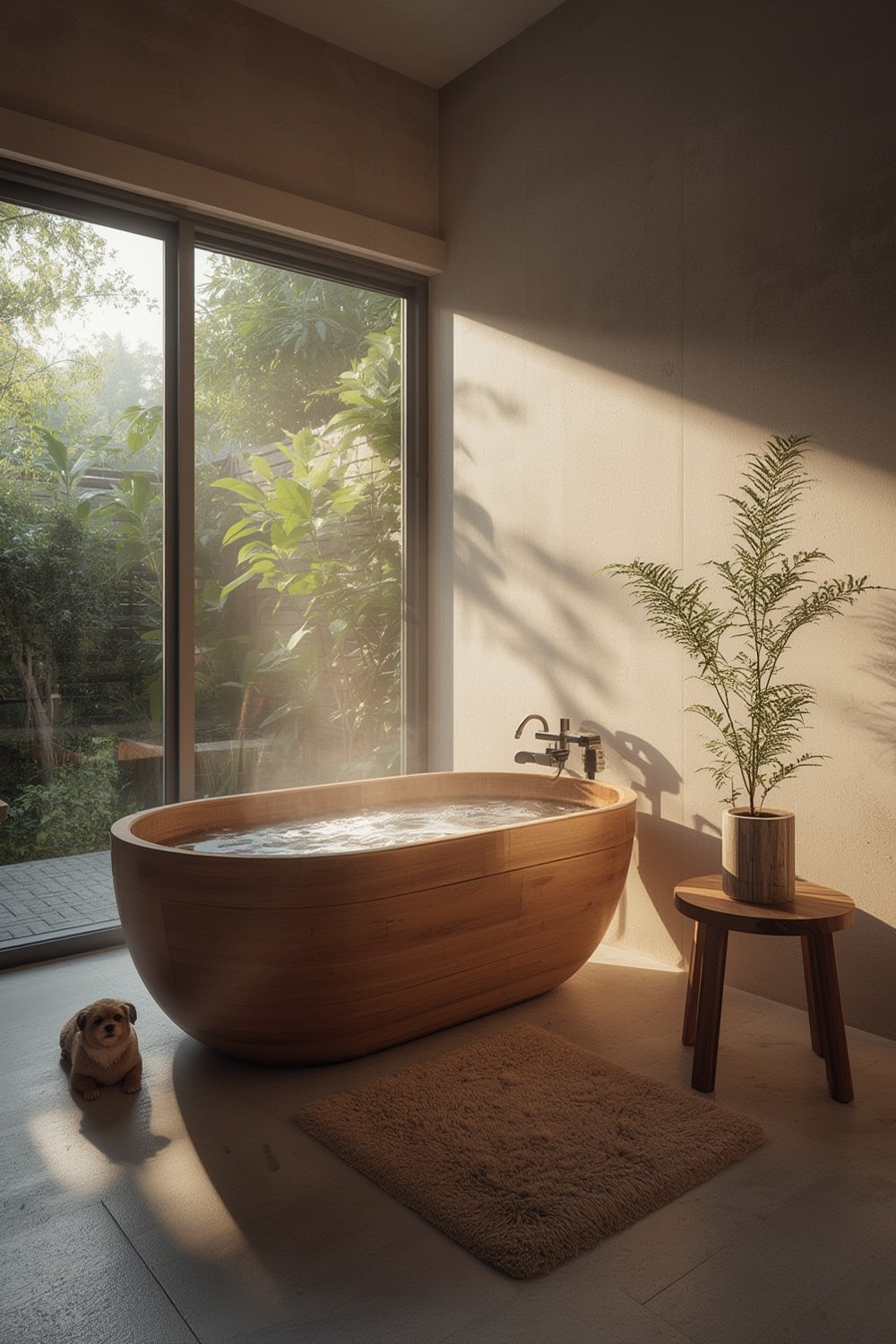
This design supports wellness routines, improves circulation, and delivers a meditative bath even in a tight space. The renewed interest in wellness and home spa experiences—especially in North America and Europe—has driven demand for these deep soak tubs. Compact models generally range from 40-50 inches (102-127 cm) in length and 24-27 inches (61-69 cm) in width, with soak depths of 22-25 inches (56-64 cm), but options may vary. Recent trends confirm that people prioritize these tubs for quality of life upgrades and for making efficient use of often overlooked bathroom space.
Japanese soaking tubs can be installed as freestanding, alcove, or drop-in units. Many models offer insulated walls or optional heaters, aligning with European demand for energy efficiency. In North America, builders favor them for luxury bathroom upgrades, while in Europe they are chosen for minimalist, urban living.
For more context, see our detailed guide on space-saving bathroom ideas and our buying guide for ofuro tubs.
Step-by-Step Guide: Choosing and Installing a Japanese Soaking Tub Small Model
Ready to fit a Japanese soaking tub into your small bathroom? Here’s exactly what to consider, from model selection right through to maintenance.
- Measure Your Space Precisely
Take accurate width, depth, and height measurements of your bathroom—leave room for plumbing, access panels, and door swing. Typical small Japanese soaking tubs require only 40-50 inches (102-127 cm) length and as little as 24 inches (61 cm) width, but check for model-specific requirements. - Research Models by Material and Shape
Acrylic and fiberglass tubs are lightweight and budget friendly. Cast iron and stone resin provide durability and heat retention but weigh much more, demanding strong supports. Some leading manufacturers, such as TOTO or Kohler, specialize in compact, high-quality models. - Compare Real Soaking Depths
Look for models specifying interior seat height and maximum fill level. Some ofuro tubs deliver nearly 22-25 inches (56-64 cm) of water immersion—a genuine deep soak that’s rare among Western compact baths. Read the detailed product specs and, if possible, ask the manufacturer for a schematic. - Plan for Plumbing and Ventilation
Check your bathroom’s existing plumbing. Deep soaking tubs often require upgraded drains and possible floor reinforcement due to higher water capacity. Ensure the bathroom is well vented to prevent mold or condensation issues—a common pitfall with deep and frequent soaks. - Budget for the Real Cost
While specific 2024 price ranges vary and are not widely published, high-end small soaking tubs generally start at $1,200-$2,500 plus installation. Add costs for reinforced flooring, professional plumbing, and any wall tiling. Materials like cast iron or copper usually cost more upfront but may last longer than acrylic counterparts. - Don’t Skip on Maintenance
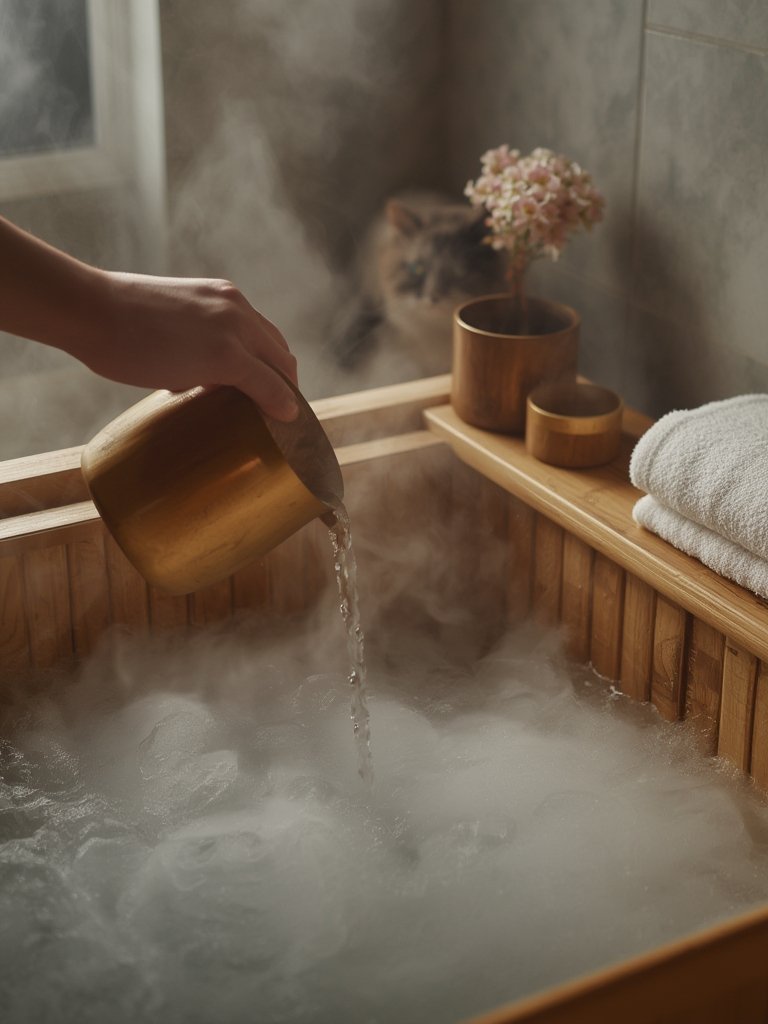
Japanese soaking tubs are easier to clean than traditional bathtubs due to their simple, upright shape. However, humidity can accelerate material wear in tight bathrooms. Wipe down after each use, check caulk and seals every six months, and periodically clean behind and under the tub where possible.
Bonus: For more installation tips and maintenance strategies, see our expert advice on small bathroom remodel checklists.
Looking for inspiration? Explore our gallery of Japanese bathroom design ideas and find the perfect fit for your space.
Advanced Analysis & Common Pitfalls
The growing market for Japanese soaking tub small models has exposed unique real-world issues that many guides and product pages ignore. Based on recent market research, here are critical details and pitfalls to watch for:
- Immersion Depth vs. Compact Size: Many articles underreport real soaking depth, focusing on outer dimensions. Some tubs sacrifice soak depth for floor footprint, meaning you won’t achieve the ritual-like immersion you expect. Always request interior documentation or visit showrooms when possible.
- Maintenance in Humid, Small Spaces: Durability can be an issue if your bathroom lacks adequate ventilation. Materials like low-end acrylics may yellow or develop mildew, while wooden ofuro tubs (cedar, hinoki) need careful upkeep in tight environments.
- Installation Costs and Surprises: Price guides rarely break down the total project cost—budget for plumbing upgrades, reinforcements, and possible mold remediation. Freestanding tubs are easier to install but often demand robust flooring.
- Material Choices Affect Longevity: Acrylic is most affordable, but high-end composite or enamel steel tubs offer better heat retention and resistance to scratches. See side-by-side comparisons below for common options and pros/cons.
| Material | Pros | Cons | Price Range* |
|---|---|---|---|
| Acrylic | Lightweight, affordable, easy to install | May scratch, can yellow in high humidity | $1,200–$2,200 + install |
| Copper | Excellent heat retention, antibacterial, luxury feel | Expensive, heavy, requires waxing | $2,800–$8,400 + install |
| Fiberglass | Affordable, comes in many shapes | Least durable, prone to cracks | $900–$1,500 + install |
| Stone Resin | Luxury finish, retains heat, durable | Very heavy, costly installation | $2,300–$5,000 + install |
| Hinoki/Cedar Wood | Traditional look, aromatic, natural insulation | Needs regular care, sensitive to dryness/humidity swings | $2,500–$6,500 + install |
*Estimated for compact models in 2024. Actual costs may vary by region, supplier, and installation complexity.
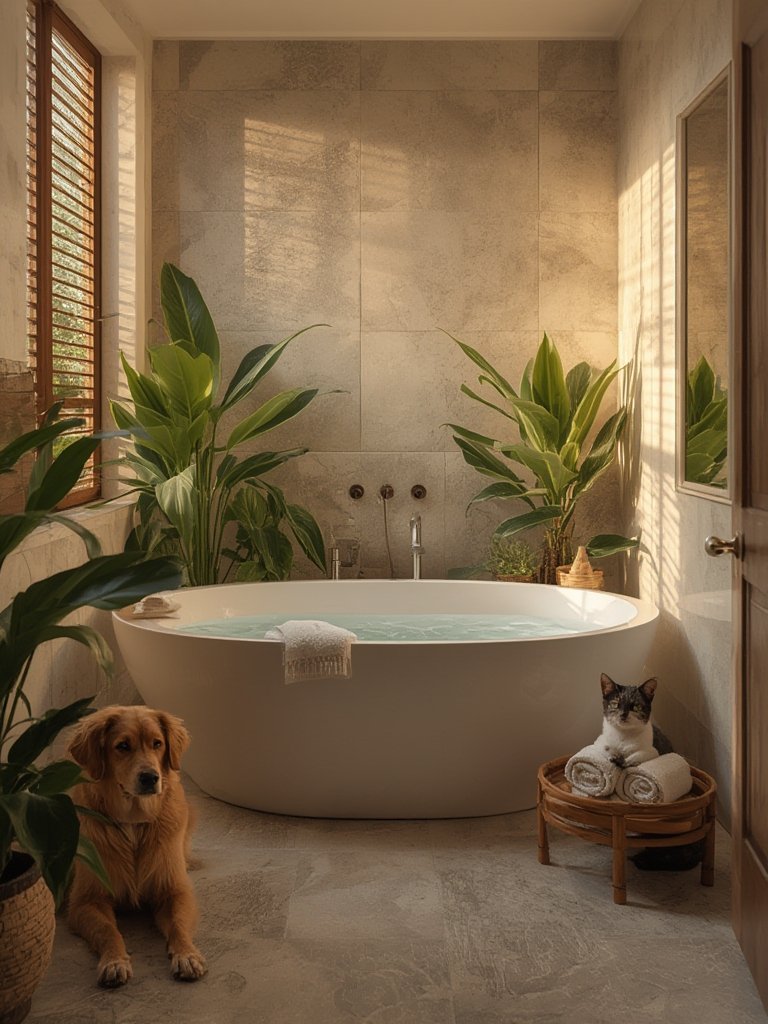
Common brands considered reliable in this category include TOTO Ltd, Kohler, and Duravit. Luxury and tech-focused features—such as integrated heaters and quick-drain systems—are offered by niche makers like Bullfrog Spas and ThermoSpas.
Japanese companies excel in small-format alcove or freestanding tubs, while European and North American brands integrate energy-saving and hydrotherapy features for city dwellers. See this market analysis for brand performance insights.
Discover more about brands, innovations, and reliability in our feature on the best ofuro tub brands.
Conclusion
Japanese soaking tub small models enable total immersion bathing and spa-like experiences for homes with minimal space. Choosing the right tub means balancing real soak depth, quality, and installation realities. Research brands, materials, and true soaking comfort before you buy. Ready to transform your bathroom? Start your Japanese soaking tub small journey now by exploring more design resources or booking an installation consult.
FAQ
What is the average size of a Japanese soaking tub small model?
Most compact ofuro tubs measure 40-50 inches (102-127 cm) in length, 24-27 inches (61-69 cm) in width, and 22-25 inches (56-64 cm) in soak depth. Always double check interior dimensions before purchasing.
Are Japanese soaking tubs suitable for renovations in old apartments?
Yes, especially alcove or corner models. However, always check floor strength and plumbing access, as installation can be more complex in buildings with aging infrastructure.
What maintenance do Japanese soaking tubs need?
Maintenance is generally low, but frequent cleaning and good ventilation are essential. For wooden tubs, seal the wood and monitor for mildew or cracking in humid small bathrooms.
How do I select between acrylic and wooden ofuro tubs?
Acrylic tubs are budget-friendly and lightweight but may age faster in humid conditions. Wooden tubs offer a traditional look and natural insulation but need regular care and proper indoor humidity controls.
Which brands are considered most reliable for compact Japanese soaking tubs?
Reputable brands include TOTO, Kohler, and Duravit, with Japanese manufacturers often offering the most compact and durable models. Check for warranty support and local installation expertise.