

Keyhole garden raised bed designs are transforming yard-based food growing with their self-fertilizing, water-wise approach—but many gardeners still struggle with adoption, maintenance, and maximizing real value from these unique compost-integrated beds.
Key Takeaways
- Keyhole garden raised beds are highly efficient, sustainable options for year-round food production, but knowledge gaps and startup cost can be barriers for beginners.
- Integrated composting is the secret sauce—reducing water use, cutting fertilizer costs, and supporting long-term soil fertility for 5-7 years.
- Success depends on good planning, material sourcing, and realistic expectations about maintenance and yield, especially if you’re new to permaculture gardening.
The Core Concept
A keyhole garden raised bed is a circular raised bed with an accessible “keyhole” notch leading to a central compost basket. This design allows easy addition of kitchen scraps or garden waste, which then supply nutrients directly to the surrounding soil through slow-release, in-bed composting. The result? A self-fertilizing, space-saving garden system that thrives even in poor soil and in dry conditions.
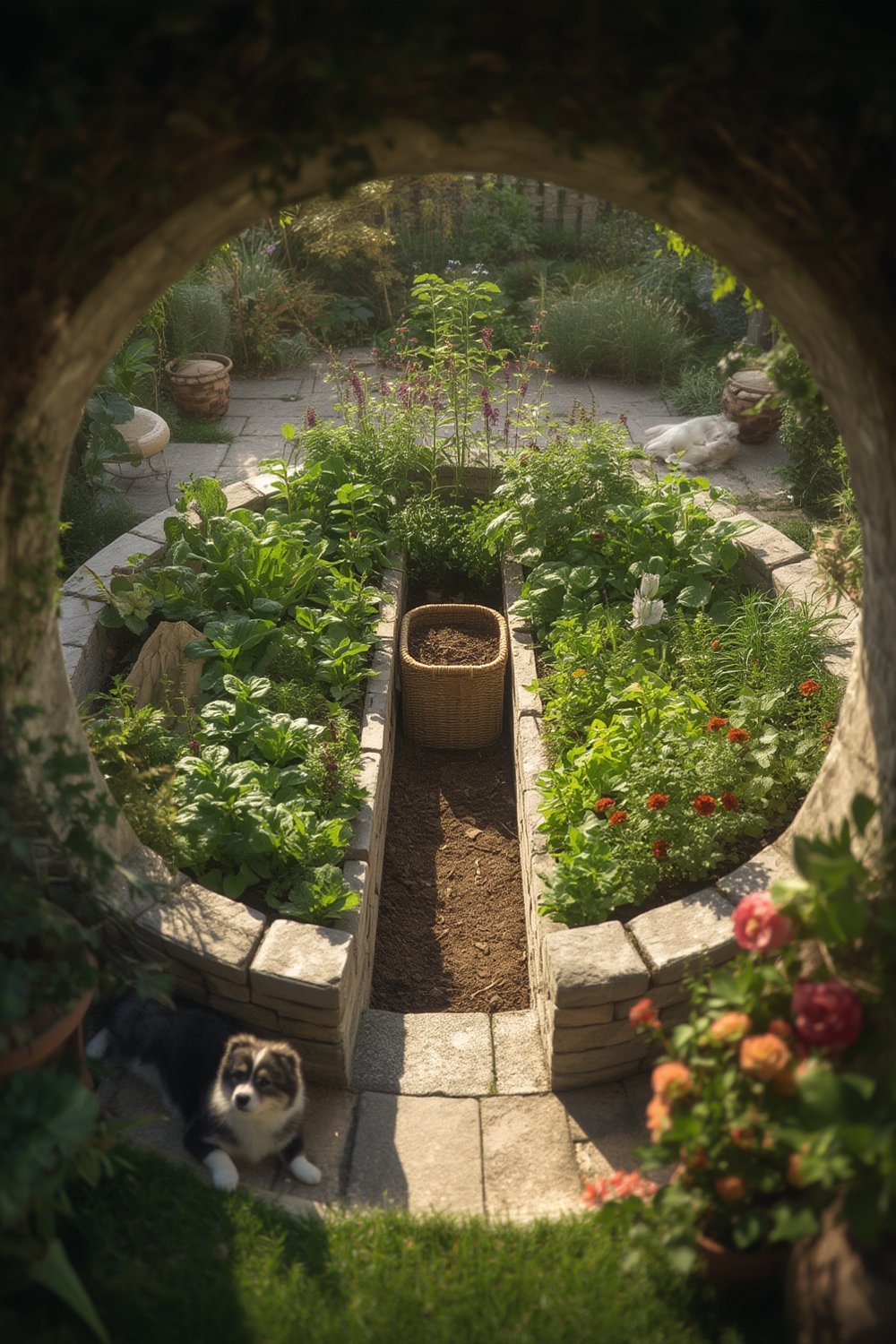
Keyhole gardens first rose to prominence in arid regions of Africa, but they’re now gaining ground in backyard raised bed gardening worldwide. Urban and suburban gardeners often seek these beds for the improved yields, compact footprint, and their adaptability to food security needs. However, as recent data from Lesotho studies reveals, adoption rates remain modest (about 28%) due to gaps in knowledge, upfront investment, and the technical confidence needed to get started.
Unlike standard raised beds, keyhole gardens turn kitchen and yard waste into ongoing fertilizer, cutting down fertilizer costs and upkeep. Their round, elevated design means less water loss and easier pest access control, supporting sustainable, low-waste gardening.
You can learn more about composting methods and other sustainable gardening approaches in our detailed guide to organic mulch basics.
Step-by-Step Guide
Building your own keyhole garden raised bed is totally doable with basic materials and a clear plan. Here’s how to set up a robust, self-fertilizing bed that works year-round—even if you’re a beginner.
- Choose the right location. Look for a spot with 6-8 hours of sun and good drainage. Avoid low-lying, soggy, or deeply shaded areas.
- Mark out a circle. Most keyhole gardens are about 2 meters across (6-7 feet). Use a stake and string to draw a round outline. Leave a small “wedge” open for a walkway to the center basket.
- Construct the compost basket. Place a round bin or wire mesh cylinder (about 1 foot wide) in the center of the circle. This keeps the compost contained.
- Build the bed walls. Surround the circle with bricks, stones, blocks, or untreated timber, piling walls up to 2-3 feet high. Make sure the “keyhole” notch leads comfortably to the compost basket.
- Layer your materials. Lay down bulky organic matter (sticks, twigs, torn cardboard) first, then alternate layers of rich compost, garden soil, and well-rotted manure. Slope toward the central basket for drainage.
- Plant densely. Sow or transplant up to five vegetable varieties, focusing on those that grow well together (e.g., spinach, carrots, onions). Rotate crops each season for best results.
- Add compost regularly. Feed the central basket with kitchen scraps, old leaves, and garden trimmings. Water through the central basket during dry spells to maximize nutrient distribution.
- Mulch and maintain. Cover soil with straw or shredded leaves to hold moisture, reduce weeds, and keep the system efficient.
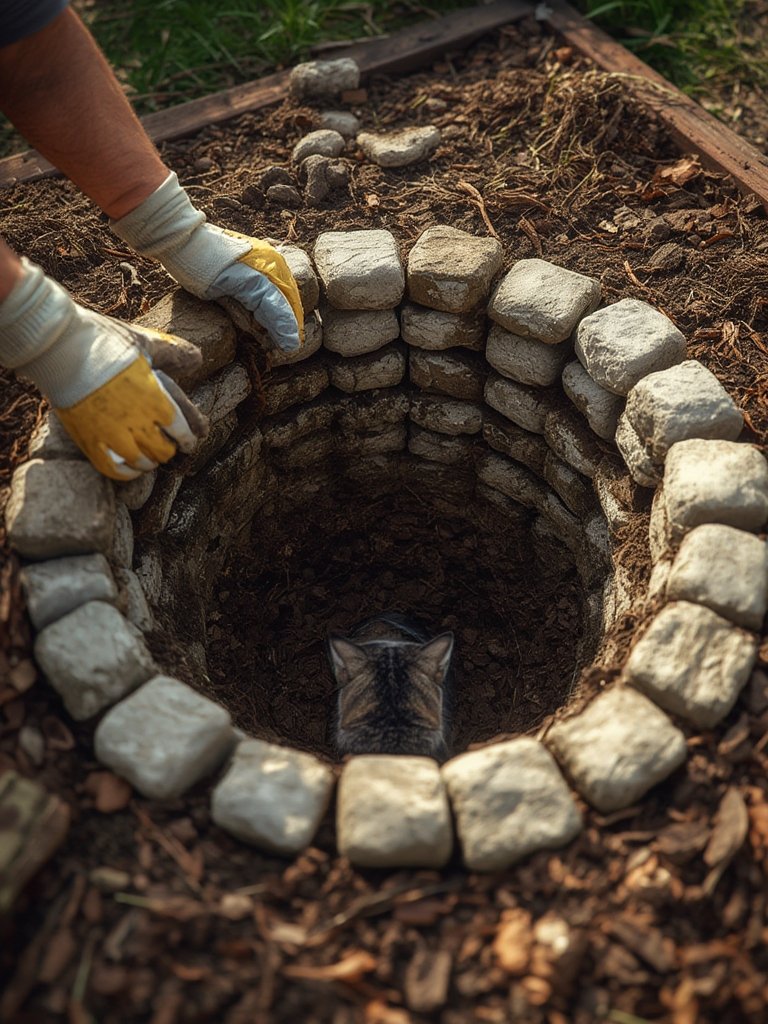
For a deeper look at soil layering and amendments, see our comparison on hugelkultur vs raised bed strategies.
If you’re aiming for higher productivity or more advanced composting, check out our research-backed post on best raised bed soil mix.
Advanced Analysis & Common Pitfalls
While the keyhole garden raised bed is celebrated for its efficiencies, there are real downsides and issues that can trip up both new and experienced gardeners. Here’s what the data and recent case studies reveal:
- Lack of practical know-how: More than 50% of surveyed gardeners cite knowledge gaps as the main reason for not building keyhole beds (source).
- High upfront investment: The materials, labor, and especially any purchased compost bins or stones can make keyhole beds pricier initially (compared to standard rectangular raised beds or even in-ground beds). No 2024-specific dollar amounts are available, but relative cost-barriers are consistent in reports.
- Maintenance surprises: Pests, inconsistent compost breakdown, or poor soil layering can reduce productivity. Long-term success depends on monitoring soil and compost quality—a step too often skipped.
- Slow compost cycles in cold climates: In colder zones, the central compost may decompose slowly, limiting nutrient availability. This requires pre-composting or adding finer, fast-breaking waste during winter months.
- Space and access limitations: Small yards may require shrinking the standard size—plan proportions carefully to preserve circulation and compost reach.
Performance data from major initiatives like Concern Worldwide shows that with proper care, these beds can provide three harvests every three months—even in challenging conditions. Soil fertility is maintained for approximately 5-7 years with consistent additions of kitchen waste and organic matter (read more here).
| Aspect | Keyhole Garden Raised Bed | Traditional Rectangular Raised Bed |
|---|---|---|
| Integrated Composting | In-bed, constant nutrient feed | Often needs separate compost pile or manual fertilizer application |
| Labor Over Time | 5-7 years of low-effort soil maintenance after setup | Regular soil amendment and seasonal rebuilding |
| Water Needs | Efficient, drought-tolerant | Higher evaporation—typically higher water demand |
| Initial Build Time | 2-4 hours (DIY, with helpers) | 1-2 hours for simple rectangle bed |
| Material Sourcing | May require more scavenging or purchasing masonry | Can use standard lumber or simple upcycled boards |
| Barriers to Adoption | Knowledge, upfront investment | Familiar design, lower technical barrier |
For honest reflections on garden trouble spots, our post on why is my raised bed soil hard shares common issues and proven fixes across all raised bed styles.
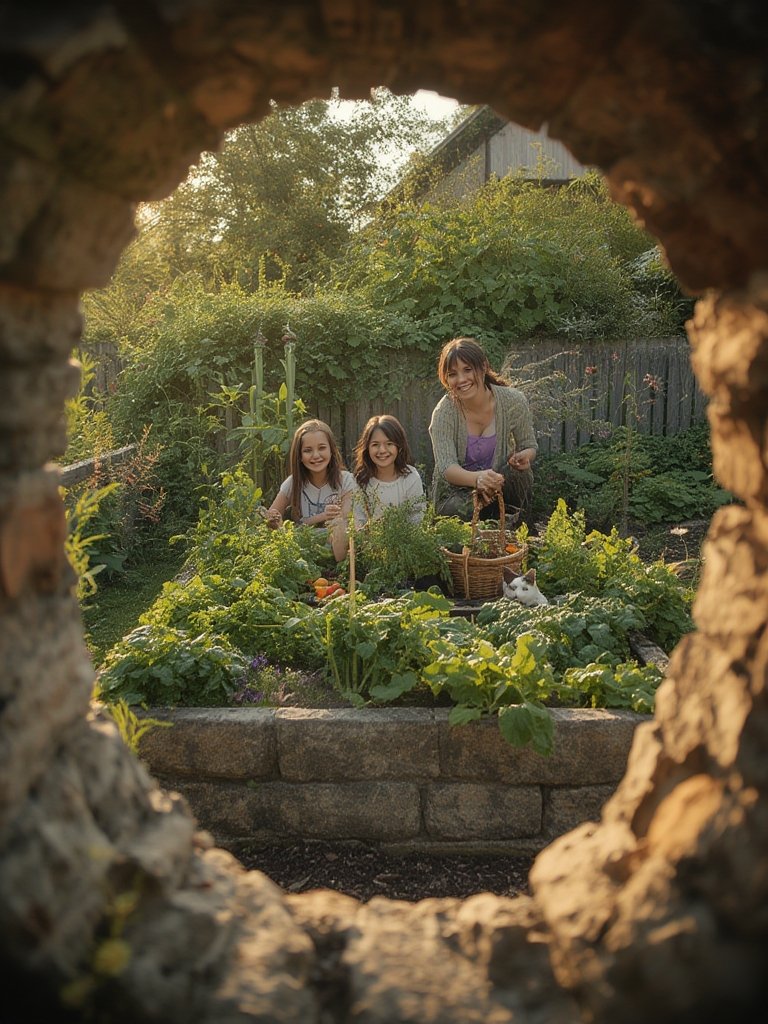
Want to know how keyhole and other beds hold up over multiple seasons? Read about long-term outcomes in our comprehensive are raised garden beds worth it review.
Conclusion
Keyhole garden raised bed designs stand out for efficiency, integrated composting, and year-round food security—even in challenging climates or urban spaces. However, success depends on learning the basics, planning startup costs, and knowing how to maintain healthy soil and compost flows for the long haul.
Whether you’re new to raised bed gardening or looking to upgrade your system, start small and build on your knowledge. Ready to take the next step? Explore our DIY projects and get personalized advice on building your own keyhole garden raised bed now.
Check out more tutorials and get connected with other creative gardeners in our ongoing free raised bed plans series.
FAQ Section
What is a keyhole garden raised bed?
A keyhole garden raised bed is a circular garden with a central compost basket and a notch or path (the “keyhole”) to allow easy access. It’s designed to maximize nutrient recycling and water retention by integrating composting directly into the soil bed.
How much does it cost to build a keyhole garden raised bed in 2024?
There’s no standard dollar figure, but costs can be kept low by using salvaged bricks, stones, or untreated wood for walls, and recycled wire or mesh for the compost basket. Most gardeners spend more on a keyhole bed than a plain rectangular bed, due to the extra masonry, but less than on greenhouse setups. Exact figures depend on your local material options.
What are the main challenges with keyhole garden beds?
The biggest hurdles are knowledge gaps, initial material sourcing, and getting the right compost balance, especially if you’re new to permaculture gardening. Pest issues and uneven compost decomposition can crop up if you rush the process or use inappropriate waste materials.
Do keyhole garden raised beds really work better than traditional beds?
Keyhole gardens do support year-round growing, require less water, and minimize fertilizer needs—when built and maintained properly. However, yield and ease-of-use depend on your climate, material choices, and commitment to adding compost regularly. No hard data shows a guaranteed yield boost over traditional beds, but case studies report consistent multi-crop harvests.
What should I put in the center compost basket?
Feed the basket with kitchen scraps (veggie peels, coffee grounds, tea bags), garden clippings, and small amounts of uncoated cardboard or paper. Avoid meat, dairy, and oily foods to prevent pests and odors.