

### Blog Post:
peel and stick backsplash options have changed the way homeowners and renters refresh kitchens and bathrooms—no contractor or messy grout required. This guide cuts through the hype, showing you exactly how these self-adhesive tiles work, why they’re trending in 2024, and what to expect if you install them yourself.
Key Takeaways
- The global peel and stick backsplash market is booming, set to double by 2032 (source).
- Installation is simple for most, but long-term durability can vary depending on surface prep and brand quality.
- Some pros, such as easy removal and minimal mess, come with trade-offs like heat limitations and lower moisture protection.
- What is Peel and Stick Backsplash?
- Step-by-Step: Installing Peel and Stick Backsplash
- Advanced Analysis: Pitfalls & Considerations
- Conclusion
- FAQ
What is Peel and Stick Backsplash?
Peel and stick backsplash is a type of self-adhesive tile that allows you to create a stylish, protective wall surface without professional installation. These tiles are backed with pressure-sensitive adhesive, making them easy to apply by hand on thoroughly cleaned surfaces. The industry has seen a surge in popularity: The global market hit USD 1.2 billion in 2023 and is set to reach USD 2.5 billion by 2032, with North America accounting for around 40% of all sales (source).
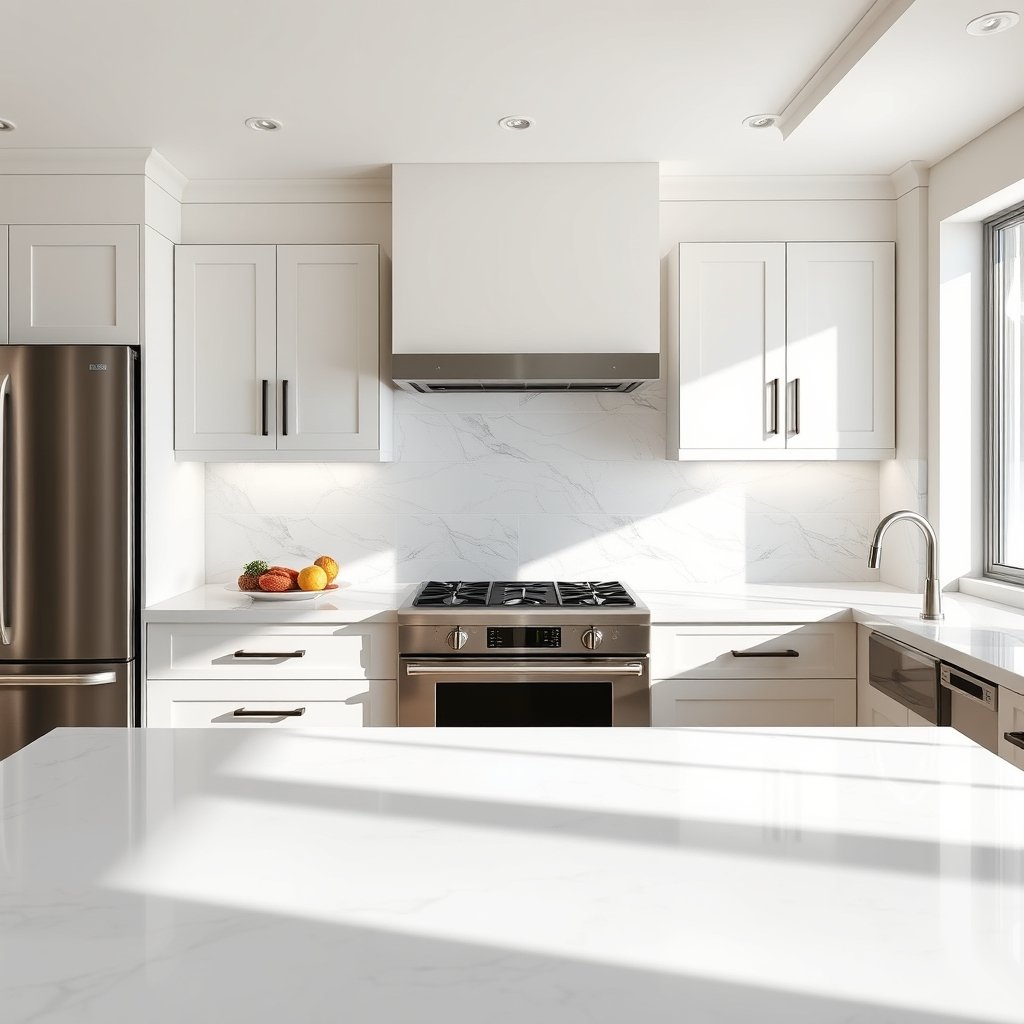
Why is this trend taking off? Homeowners crave easy upgrades without the long-term commitment or the hassle of grout and dust. With a variety of patterns from classic subway tile to shimmering mosaics, peel and stick backsplash gives both renters and homeowners creative control. Plus, they’re budget-friendly and often more accessible for DIYers than traditional kitchen tiles.
However, not all products are created equal. While many stick well on smooth, primed drywall or old tiles, cheap brands may peel or discolor over time—especially in high-moisture or high-heat zones.
Step-by-Step: Installing Peel and Stick Backsplash
Follow these steps for a lasting, professional look:
- Measure your space. Calculate the square footage of your backsplash area to determine how many panels you’ll need. Don’t forget to order a bit extra for errors and tricky corners.
- Choose your peel and stick tiles. Opt for reputable brands with strong reviews. Consider the finish—do you want glass, metal, or faux tile?
- Prepare the wall. Clean surfaces thoroughly with mild soap and water. Allow to dry completely. If your wall is glossy, lightly sand it so the adhesive sticks better.
- Dry-fit the tiles. Lay out your tiles ahead of time without removing the backing to plan your pattern and ensure you don’t end up with skinny edge pieces.
- Peel and stick. Starting at your chosen edge, peel the backing off a tile and press firmly onto the wall. Use a level and spacers (if needed) to align each piece. Smooth out any bubbles by hand or with a soft cloth.
- Trim as needed. Use a sharp utility knife or scissors to cut around outlets, corners, or window edges.
- Seal the edges (optional). For kitchens or bathrooms, run a thin bead of silicone caulk along exposed tile edges to prevent water seepage.
- Inspect and clean up. Wipe the surface gently and admire your work!
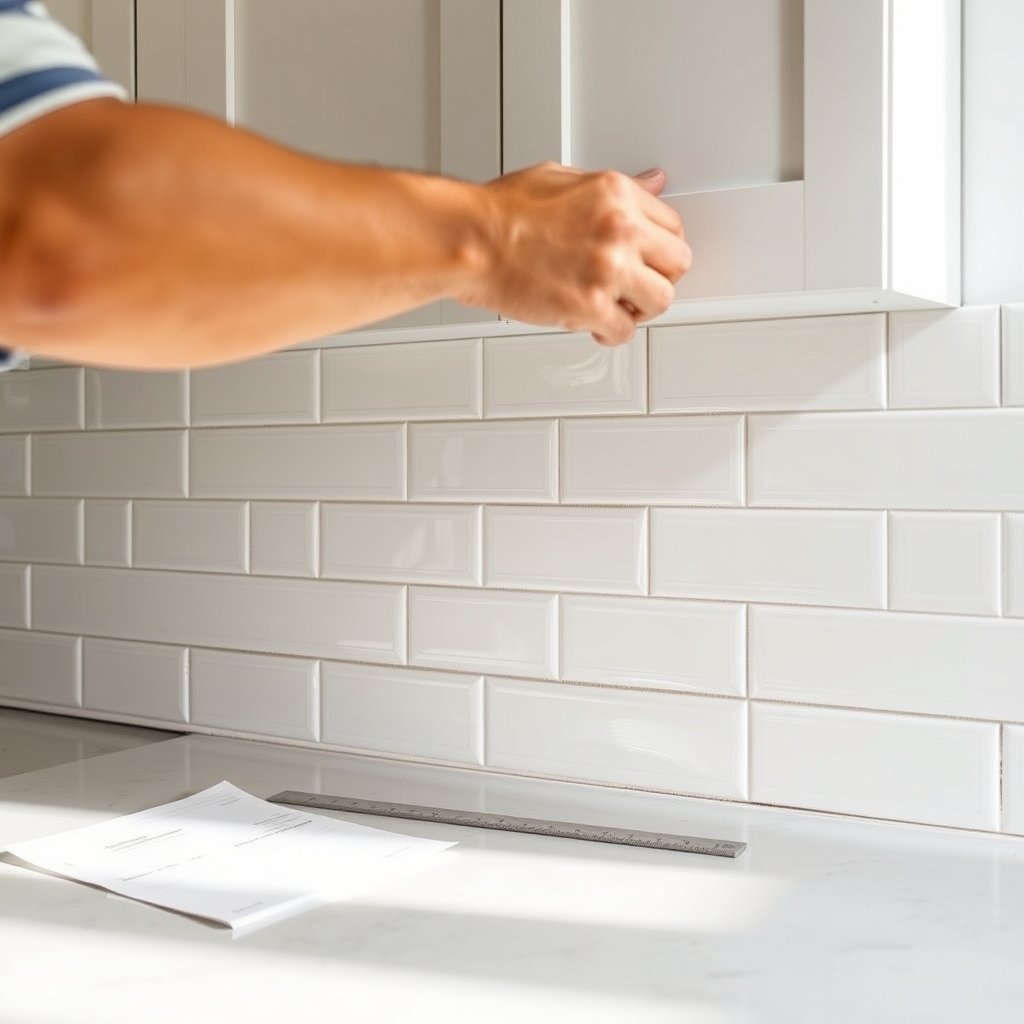
If you’re unsure where to start or want step-by-step visuals, check out our Peel and Stick Backsplash Video Tutorial. For other kitchen upgrades, browse our guides on removable wall tiles and DIY kitchen cabinet upgrades.
Advanced Analysis: Pitfalls & Considerations
While peel and stick backsplash can refresh your space overnight, not every project goes smoothly. Here’s what commonly trips up DIYers—and what you probably won’t read on the packaging:
- Poor adhesion on textured walls or old paint. Tiles may fall off if the wall isn’t perfectly smooth and clean.
- Heat and steam damage. Many products degrade near stoves, ovens, or kettles unless specifically rated as heat resistant.
- Issues in high-moisture areas. Without proper sealing, water can get behind tiles—leading to peeling and damage.
- Tough removal or residue. Some adhesives leave sticky marks or pull up paint when removed, creating extra work for renters.
- Color mismatch and fading. Cheap tiles may yellow or fade with time, especially if exposed to sunlight.
| Aspect | Peel and Stick Backsplash | Traditional Tile Backsplash |
|---|---|---|
| Average Cost (per sq. ft.) | $5–$15 (general range) | $15–$40 (plus labor) |
| Installation Time | 1–3 hours | 6–12 hours (plus drying) |
| DIY-Friendly | Yes—very | Moderate to difficult |
| Removability | Usually removable, may leave residue | Permanent |
| Durability in High Heat/Steam | Varies, often lower | High |
These factors don’t mean peel and stick backsplash is a bad option—just that it pays to do your homework and choose wisely. For specific product recommendations, see our Best Kitchen Backsplash 2024 post. Learn how different adhesives and materials perform (and clean up) in our adhesive comparison guide as well.
Conclusion
In summary, peel and stick backsplash is a fast, DIY-friendly way to upgrade your kitchen or bath, but it’s not foolproof. Be realistic about possible issues like heat, moisture, and wall prep. When approached carefully, this solution offers big style for a modest budget. If you’re ready to transform your space, browse our in-depth guides and use the tips above to get the most from your peel and stick backsplash project.
Ready to try it yourself? Start with our installation checklist or ask questions in our community!
FAQ
Can peel and stick backsplash go over existing tile?
Yes, as long as the surface is very clean, dry, and free of grease or soap scum. Lightly sanding shiny tiles improves adhesion.
How long does peel and stick backsplash last?
With proper prep and in low-moisture areas, peel and stick backsplash can last 3–8 years. Durability drops in high-heat or steamy environments.
Will peel and stick backsplash damage walls when removed?
Some adhesives may leave residue or pull paint, especially on newer walls. Remove slowly and use a mild adhesive remover if needed.
Is peel and stick backsplash waterproof?
Most are water resistant—not fully waterproof. For kitchen sinks and baths, seal edges with silicone caulk for best results.
Can I use peel and stick backsplash behind a stove?
Only if your chosen tile is rated for heat resistance. Otherwise, it may peel or discolor over time. Always check manufacturer specs.
—