

portable air conditioner units are rapidly becoming the go-to solution for renters and small room dwellers who want flexible, no-install cooling—yet they’re far from perfect. If you’re considering one for your bedroom or workspace, there are crucial facts, workarounds, and pitfalls you need to know before you buy.
Key Takeaways
- Portable air conditioners save energy over central cooling but often cool less efficiently and more loudly than window units.
- Installation is simple for renters, but drawbacks include limited portability, high noise, and sometimes disappointing cooling power.
- Recent advances aim for smarter efficiency, but understanding costs, sizing, and expectations is essential to avoid common regrets.
- What Is a Portable Air Conditioner and Why Choose One?
- Step-by-Step: Using a Portable Air Conditioner in Small Spaces
- Advanced Analysis & Common Pitfalls: What Most Guides Miss
- Conclusion & Next Steps
- Frequently Asked Questions
What Is a Portable Air Conditioner and Why Choose One?
A portable air conditioner is a freestanding, plug-in cooling unit designed to cool a single room without any permanent installation. Compared to traditional window AC units, portable units are easier to move (within limits), require only a window for venting hot air through a duct hose, and target specific areas for energy savings. In 2024, their popularity has surged among renters, home office workers, and those with window access or installation restrictions.
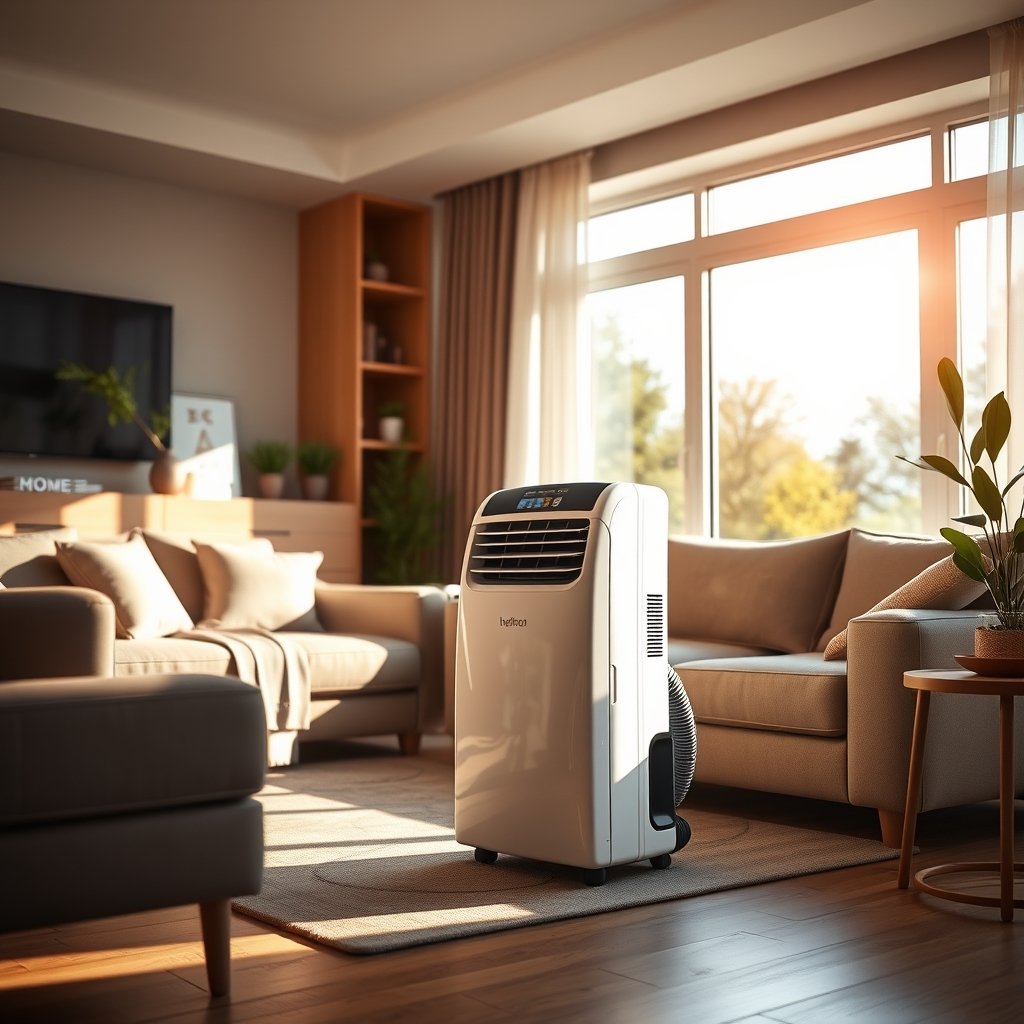
The biggest draw is flexibility: you can move it to different rooms, store it away in off-seasons, and install it in minutes. According to industry sources, portable air conditioners can use up to 30% less energy than central air systems by cooling only the space you occupy (ScottFrio). New trends, like surge remote work and increased numbers of renters, have pushed the global portable AC market to an expected $158.1 billion valuation this year (Future Market Insights).
However, Consumer Reports and user feedback consistently report these devices are louder and typically less effective than window units. They are often the only practical solution where window ACs or split systems aren’t possible.
Step-by-Step: Using a Portable Air Conditioner in Small Spaces
- Choose the Right Size (BTU and EER): For bedrooms and small offices, select a model rated between 6,000–8,000 BTU. Look for units with an Energy Efficiency Ratio (EER) of 12 or better. A higher EER means more cooling per watt consumed, leading to lower bills.
- Check Fit and Access: Make sure your intended room has a window that opens wide enough to accommodate the Window Exhaust Kit, and that nearby outlets can handle the power draw (typically up to 1.2 kW).
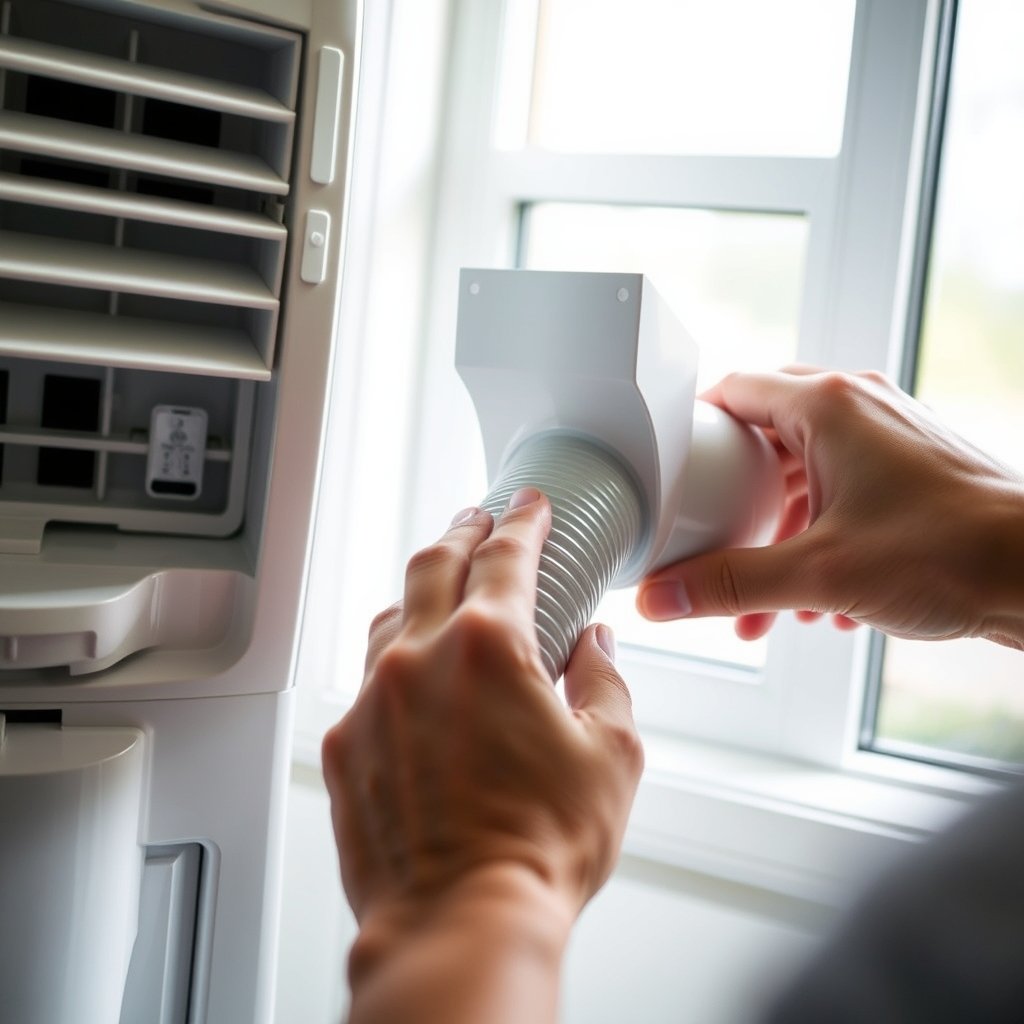
- Install the Window Exhaust Kit: Attach the kit included with most models. Open the window, set the adjustable bracket, and securely twist in the exhaust hose. Seal gaps to minimize hot air re-entry.
- Set Up for Best Circulation: Place the unit near the center of the room but with enough clearance for unobstructed airflow, ideally off carpets or thick rugs.
- Program Climate Control: Use the timer, eco-mode, or temperature sensor (if available) to prevent overcooling and wasted energy—especially valuable for overnight use.
- Maintain Regularly: Empty the condensation tank or connect a drain hose if your model allows. Clean or replace filters monthly to preserve efficiency and air quality.
If your noise tolerance is low, you might also consider adding DIY acoustic panels to muffle sound. For enhanced cooling flexibility, explore smart plug integration or energy rebate programs—find ideas in our smart thermostat guide.
Advanced Analysis & Common Pitfalls: What Most Guides Miss
Many buyers expect portable air conditioners to deliver the same results as window ACs, but real-world tests show differences that matter. Here’s what isn’t always made clear:
- Slower Cooling: Consumer Reports tests show most portable models take 20 minutes or more to drop a test chamber by 5°F, whereas the best window ACs manage a 10°F drop in 15 minutes (Consumer Reports).
- Noise: Portable ACs are generally loud. Although most manufacturers don’t publish exact decibel (dB) ratings, user reviews consistently report difficulty sleeping or working with units running at full blast in small rooms.
- Efficiency vs. Window Units: The U.S. Department of Energy indicates that while portable air conditioners save energy over central systems, they’re still less efficient than window models with similar BTU claims. ENERGY STAR certified portables may offer about 23% energy savings compared to non-certified models (Energy Star).
- Air Leakage & Negative Pressure: Inadequate window kit installation or leaky exhaust setups can cause warm air to be drawn from adjacent rooms or outside. This “negative pressure” offsets any gains and frustrates users.
- Size and Weight: Marketed as “portable,” many models are heavy (50–70 pounds)—the included wheels often don’t work well on carpet or across thresholds, making frequent moves a hassle.
- Maintenance Needs: Neglecting regular filter replacement or drain management can reduce cooling and create odors. And if you have pets or allergies, filter performance is even more important.
| Criteria | Portable AC | Window AC | Fans |
|---|---|---|---|
| Cooling Speed | 5°F in 20+ mins | 10°F in 15 mins | No cooling (airflow only) |
| Avg. Noise | High (unquantified dB, user reports “loud”) | Moderate | Low |
| Power Usage | ~1.2 kW/hr | ~0.9–1.0 kW/hr | 20–75 W/hr |
| Renter-Friendly | Yes | Sometimes (needs window mount) | Yes |
| Upfront Cost | Mid-high | Lower | Lowest |
| Annual Running Cost (est.) | $70–$120 | $50–$90 | $10–$30 |
| True Portability | Limited—heavy, awkward on carpet | Not portable | Fully portable |
Common user disappointments include struggling to get the room below 78°F, realizing how much noise the unit makes at night, or being frustrated by a unit that is hard to roll between rooms. People expecting a sleek, whisper-quiet, instant-chill solution often return their devices. To prevent regret, research the requirements and potential issues. Explore alternatives, like mini split systems, for permanent situations with landlord permission.
Conclusion & Next Steps
Portable air conditioners can make summer in a small apartment or office bearable, but only if you know what you’re getting. They’re easy to install and can cut your energy bills, but there are real limitations regarding noise, cooling speed, and true portability. Always match your expectations and room size to the model’s ratings and features. If you value furniture that adapts to your evolving space alongside a portable air conditioner, check out our guide to multifunctional room solutions.
Ready to beat the heat? Compare models, check rebate opportunities, and invest in premium window kits to maximize your comfort. For more energy-efficient upgrades and garden ideas, consult our guides to vertical gardens and smart automation systems.
Frequently Asked Questions
Are portable air conditioners really portable?
Technically, yes—they have wheels and can be moved. In reality, their weight (often 50+ pounds) and awkward shape make frequent moves tedious, especially on carpet or up stairs.
Are portable ACs more energy efficient than window units?
They use less energy compared to central AC, but most window units beat them on actual cooling efficiency and power usage at the same BTU rating, especially in small rooms.
How loud are portable air conditioners?
Many users report noise as a top issue—most operate at volumes too high for light sleepers or quiet work, even if manufacturers don’t list official decibel (dB) ratings.
Can portable air conditioners cool multiple rooms?
No. These units are designed for a single room. Trying to cool multiple rooms with one unit typically leads to poor results and higher energy costs.
What’s one way to get better AC performance in a small space?
Seal window kit gaps firmly. Use foam strips or draft blockers, and consider adding thermal curtains to block solar heat gain. For noise, try DIY acoustic panels if disturbances are an issue.