

### Blog Post:
Under sink organizer solutions have surged in popularity as homeowners tackle cluttered spaces and awkward kitchen cabinets. If you’re struggling to store cleaning supplies, bags, or recycling bins, the right organizer can transform chaos into order—without sacrificing valuable space.
Key Takeaways
- The global under sink organizer market is valued at over $2.1 billion in 2024, with rapid growth due to rising home organization trends.
- Smart organizer solutions offer a significant boost in storage space, adaptability, and hygiene, especially in small kitchens.
- Choosing and installing an efficient under sink organizer avoids the most common pitfalls—such as difficult plumbing layouts and poor fit.
- What Is an Under Sink Organizer and Why Does It Matter?
- How to Choose and Install the Right Under Sink Organizer
- Advanced Analysis & Common Pitfalls
- Conclusion
- FAQ
What Is an Under Sink Organizer and Why Does It Matter?
An under sink organizer is a purpose-built system designed to maximize awkward storage space beneath your kitchen or bathroom sink. In 2024, homeowners are looking for new ways to handle small or irregular cabinets—where plumbing pipes, garbage disposals, and cleaning products typically compete for space. The result: a crowded, untidy mess.
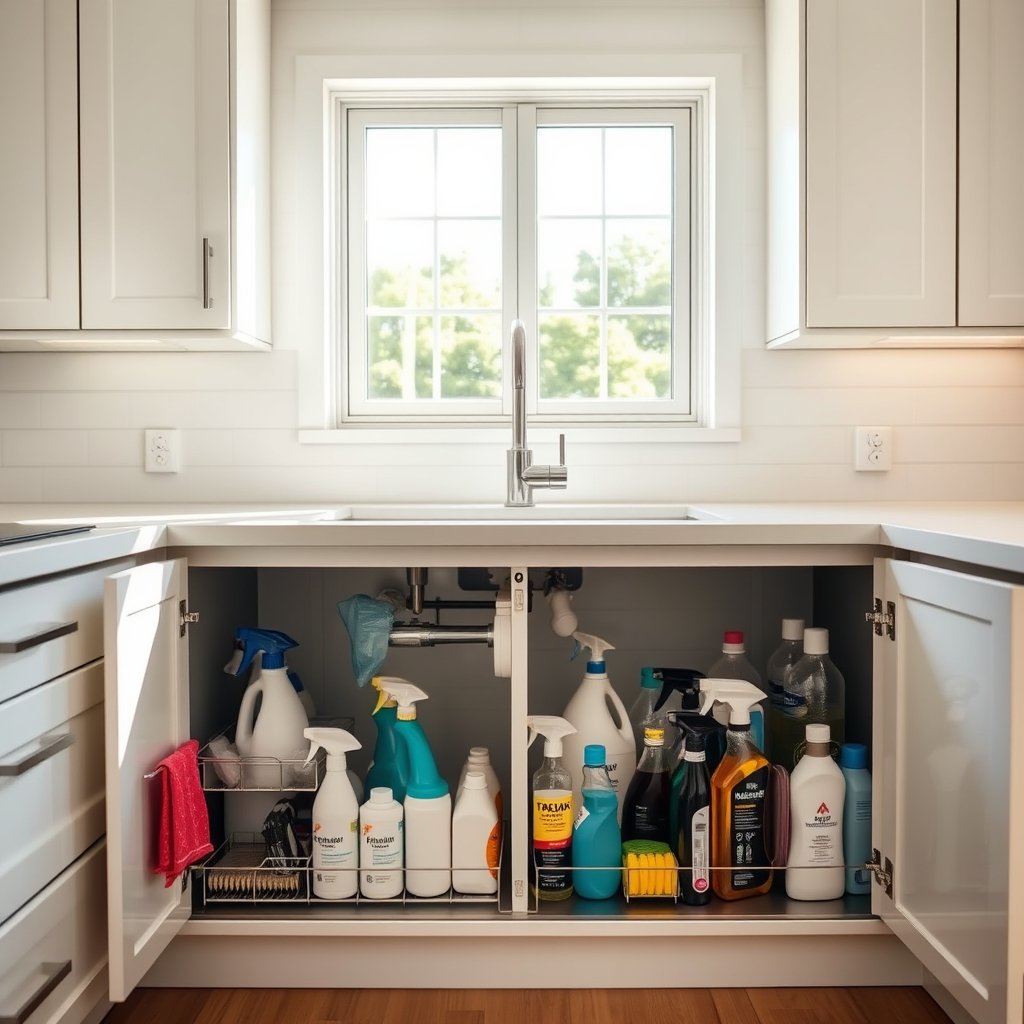
Why does it matter? Market data shows global demand for under sink organizer products reached over $2.12 billion in 2024, expanding as people redesign homes for efficiency and order. This is not just a cosmetic trend; it’s driven by the practical need to keep critical everyday items organized and easy to reach.
The most popular organizer systems feature adjustable racks, pull-out trays, waterproof baskets, and modular shelves. Their main appeal is turning “dead space” into functional storage, even in homes with challenging plumbing or compact layouts. Demand for these solutions is especially strong in urban areas facing space constraints and rising home renovation activity, as supported by modular kitchen storage trends worldwide.
Picking the right under sink organizer not only improves room aesthetics but also contributes to better hygiene and can make deep cleaning far less stressful.
How to Choose and Install the Right Under Sink Organizer
Selecting the best under sink organizer isn’t hard, but the wrong choice leads to frustration—especially if measurements or installation instructions are ignored. Here’s a step-by-step guide to ensure an efficient and frustration-free upgrade:
Step 1: Remove Everything and Clean
Start by emptying the cabinet. Toss out expired chemicals, old sponges, or broken gadgets. Wipe all surfaces clean—a proper surface helps the new organizer sit flat and prevent mold or slips.
Step 2: Measure Accurately
Measure width, depth, height, and clearances. Write these down. Consider both the internal dimensions and the available entry space if your organizer slides out. Be careful to note where plumbing or garbage disposal units protrude.
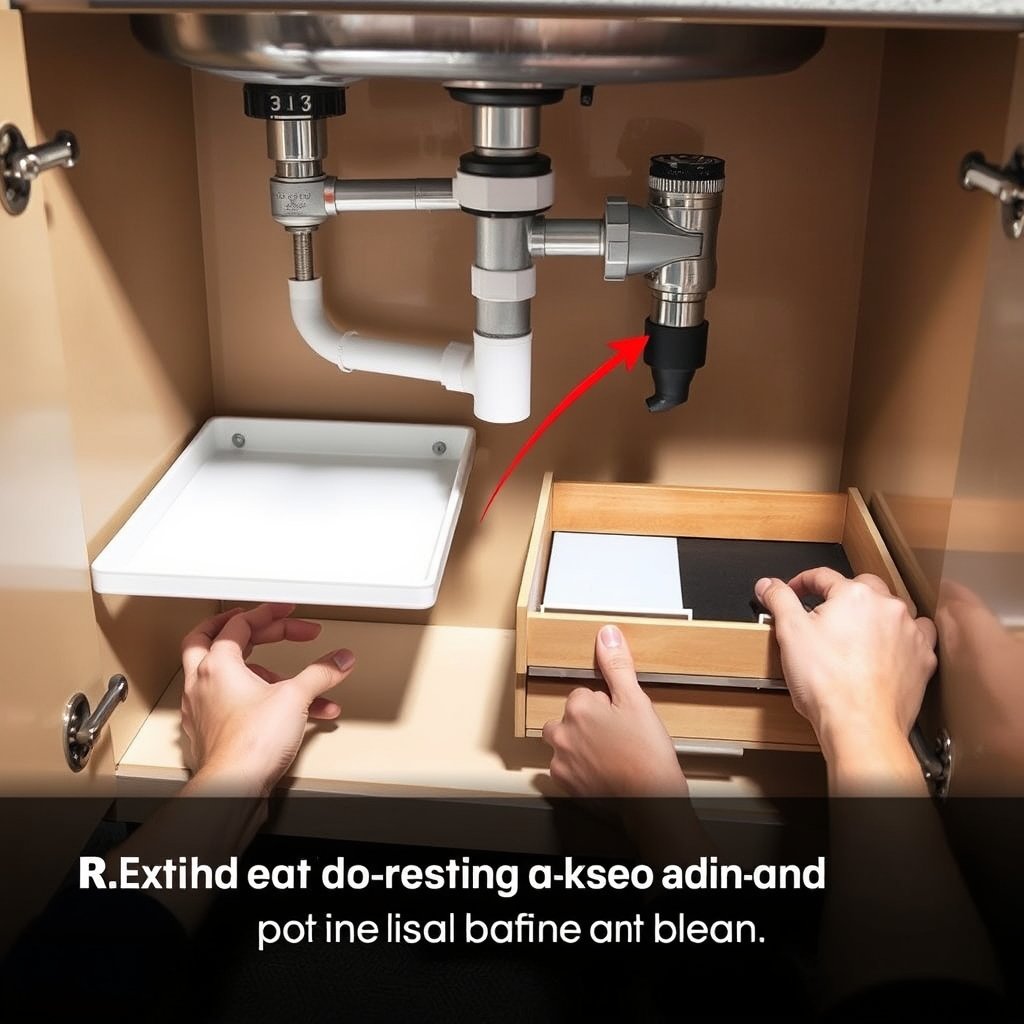
Step 3: Select Your Organizer Type
- Pull-Out Trays: Ideal for deep cabinets and easier access but may require screwing into the base or sidewalls.
- Adjustable Shelves: Better for variable plumbing layouts. Shelves should be plastic-coated or stainless steel for water resistance.
- Stackable Drawers or Baskets: Best for bathrooms and smaller nooks.
Look for multi-functional or modular options if your needs may change, and consider products from reputable brands found at The Container Store or The Home Depot. For a truly space-saving approach in small homes, review multifunctional furniture solutions for more inspiration.
Step 4: Dry Fit and Mark
Before screwing or sticking anything in, place the organizer in position. Check for drawer/pull-out clearance. Mark drill holes if hardware is required, ensuring no pipes or wiring are nearby.
Step 5: Install Carefully
Follow the product instructions. If adhesive pads are included, test stick them in place before loading up heavy items. For pull-outs with runners, make sure to use the right screws and avoid overtightening.
Step 6: Arrange and Re-stock
Put everyday items (dish soap, trash bags, cleaners) in the most accessible spot. Place heavier or rarely used products to the sides or rear. Use clear bins or labels for easy identification—especially if sharing the space. Consider vertical layouts in very tight areas or under bathroom vanities.
If you’re looking to renovate further, see our guide on quick kitchen upgrades that work well with new organizers.
Advanced Analysis & Common Pitfalls
Despite their promise, not all under sink organizers fit every home, and mistakes are common:
- Missed Measurements: Many buyers forget pipes, disposals, or hinges can reduce usable space by up to 30%.
- Poor Materials: Cheap plastic organizers often warp, stain, or break under modest loads. Stick to products made from metal wire, ABS plastic, or powder-coated steel for durability.
- Installation Woes: Pull-out trays frequently require stable mounting surfaces, which may be impossible in old or particleboard cabinets.
- Mold or Leaks: Cabinets with historic leaks or poor ventilation trap moisture, causing organizers and their contents to degrade over time.
- Ineffective Customization: Multi-functional features sound great until you find some baskets or trays don’t actually come out smoothly or create more wasted space than they save.
How Does the Market Compare by Region?
| Region | 2024 Market Size | Growth Drivers | Consumer Preference Trend |
|---|---|---|---|
| North America | $710 million | Urban, home improvement | Online, modular, multi-use |
| Europe | $620 million | Renovation, sustainability | Sustainable, easy-clean |
| Asia Pacific | $540 million | Urbanization, new builds | Compact, cost-effective |
| Latin America | $150 million | Modernization, convenience | Online, budget-friendly |
| Middle East & Africa | $100 million | New housing, functionality | Basic, durable |
These numbers confirm the ongoing momentum of the market, directly tied to consumer priorities—especially in major home improvement regions. For further reading on organization solutions beyond the kitchen, check out expert guides on garage storage systems for inspiration on organizing any type of cluttered space.
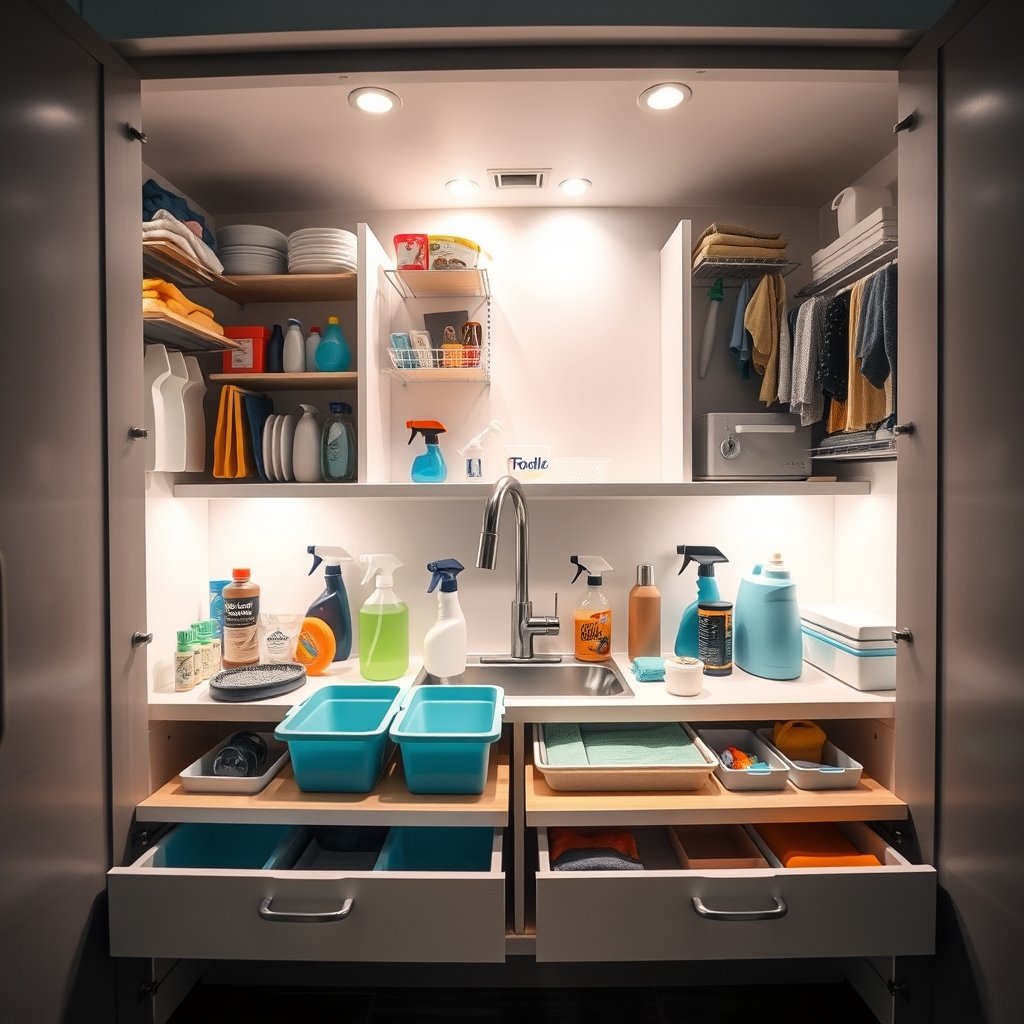
If you’re a DIY enthusiast, choosing durable materials is crucial. The ideal organizer features metal runners, waterproof surfaces, and load ratings that can handle at least 20 pounds with ease. Brands such as Kohler and The Container Store are repeatedly cited for reliability, even if details on warranty and eco-friendliness are rarely clear in market reports (source).
Pitfalls aside, investing in a proper under sink organizer usually translates to better kitchen efficiency, faster cleaning, lower replacement costs for damaged items, and a more presentable space. For a broader approach to sustainable upgrades, review our tips for a sustainable home water system.
Conclusion
The under sink organizer landscape in 2024 is defined by smarter storage, strong growth, and vast product variety. With measured planning and an honest look at your real cabinet limitations, you can enjoy a significant improvement in daily efficiency—and fewer headaches from clutter. If you want your next upgrade to last, start with a reliable under sink organizer and further enhance your kitchen organization step by step.
Ready to reclaim your cabinet space? Act now and install your ideal under sink organizer for a neater, healthier kitchen—and less frustration!
FAQ
How do I measure for an under sink organizer?
Use a tape measure to record the full width, depth, and height inside your cabinet. Note where pipes, garbage disposal, or hinges reduce usable space. Consider measuring twice to avoid common sizing mistakes.
Are pull-out organizers better than shelf units?
Pull-out organizers offer quick access to items at the back of the cabinet, reducing bending or stretching. Shelf units are often easier to install in tight spaces or unusual plumbing layouts. Choose based on your needs and cabinet shape.
Can I install an under sink organizer without drilling?
Yes, many modern organizers use adhesive pads, adjustable feet, or tension rods for tool-free installation. However, heavier pull-outs or units with large weight capacity will often need screws for stability.
What materials last the longest for organizers?
Stainless steel, powder-coated metal, and high-quality plastics (such as ABS) offer the best balance of longevity and water resistance. Avoid thin or brittle plastics, which crack and warp quickly.
Are under sink organizers safe for cleaning chemicals?
Most are suitable, but always check the material’s resistance to corrosion or chemical damage. Choose organizers that are easy to wipe down to prevent buildup or leaks from spreading.