

LED strip lights are transforming how people design home interiors, offering flexible, energy-efficient lighting that can be placed almost anywhere for a custom look and mood.
Key Takeaways
- LED strip lights in 2024 offer more minimalist, hidden, and customizable designs than ever before.
- Smart features and integration with major platforms like Alexa and Google Home raise convenience, but buyers should check for potential connectivity or adhesive challenges.
- Advanced color rendering, COB technology, and expert placement strategies make it easy to upgrade the look and feel of any room on a budget.
- What Are LED Strip Lights and Why Are They Everywhere?
- How to Install LED Strip Lights: A Practical Step-by-Step Guide
- Advanced Analysis & Common Pitfalls
- Conclusion
- Frequently Asked Questions
What Are LED Strip Lights and Why Are They Everywhere?
LED strip lights, sometimes known as tape lights or ribbon lights, are flexible circuit boards populated with small LED chips, allowing for creative lighting in alcoves, under cabinets, behind TVs, along ceilings, staircases, and practically any architectural detail. Their surge in home aesthetics is fueled by energy efficiency, the ability to set mood with colors, and the rise of smart home integration platforms.
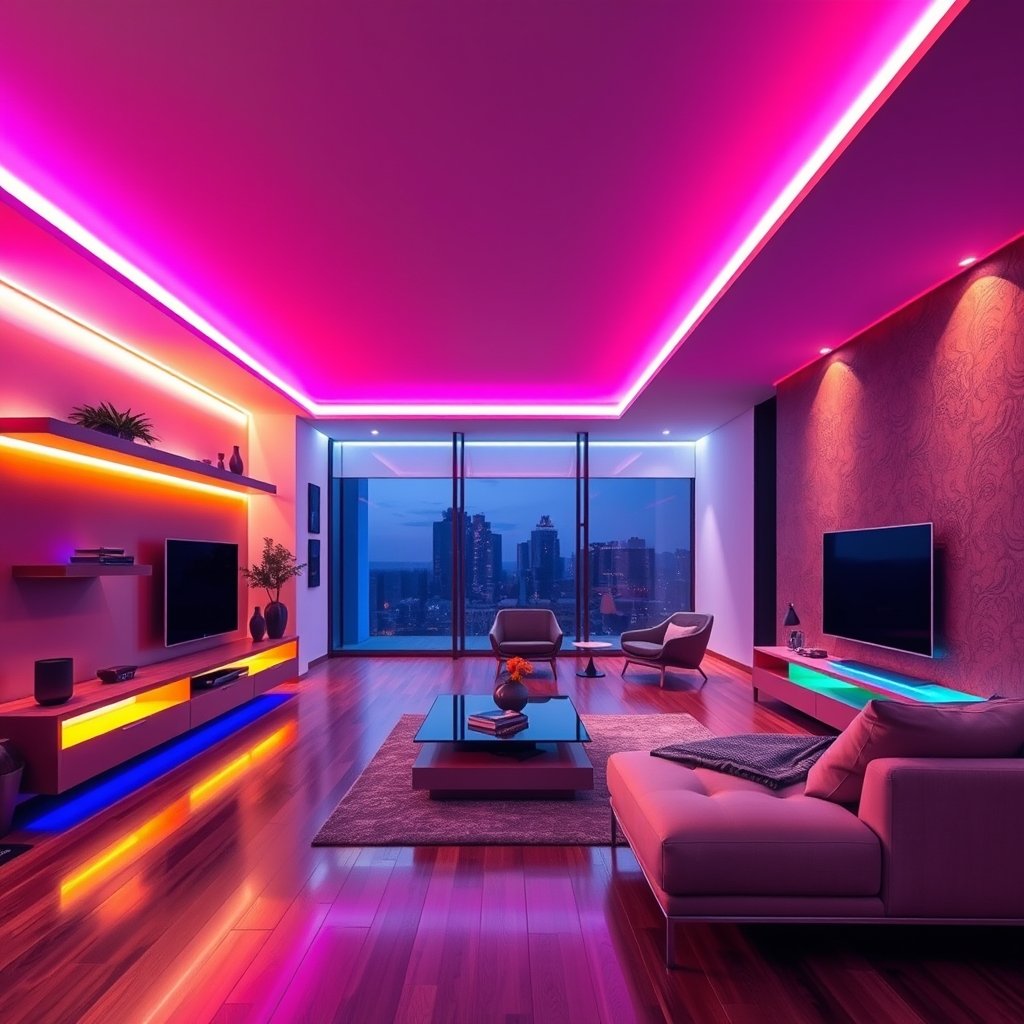
In 2024, major trends are redefining what these lights can do. Minimalist looks drive demand for products using Chip-on-Board (COB) technology and slim aluminum channels that hide the strips and diffuse light for a clean, modern effect. Homeowners are moving far beyond kitchen backsplashes and under-cabinet lines, embedding strips within ceiling beams to provide indirect, “can-free” architectural lighting—often controlled from a phone or via Alexa or Google Home [LightingDesign] [HitLights].
Smart systems allow you to adjust color temperature from cozy warm-white to crisp daylight, and RGB strips can cycle through millions of colors. These lights are also adaptable for small niche areas, high-CRI options (for truer color), and eco-conscious designs.
If you’re seeking inspiration for other smart upgrades, you might want to explore epoxy floor coating solutions for your garage or review the best smart light switches for seamless automation.
How to Install LED Strip Lights: A Practical Step-by-Step Guide
The best part about LED strip lights is that installation is approachable, even for beginners. Use this actionable, realistic guide to get results without frustration.
- Assess the Space and Purpose
Decide where you want your LED strips: under cabinets, above shelves, inside coves, stair risers, or behind screens. For subtle, hidden lighting, opt for slim, high-density strips (such as 300 LEDs/m) paired with an aluminum channel for a professional finish. Consider mini split AC installation for enhanced home comfort as you update your lighting. - Measure and Plan the Layout
Carefully measure the intended run. Plan to cut the strips only at indicated cut-marks. - Choose the Right Strip
For most homes, select variable CCT (Color-Correlated Temperature) strips (2700K–5500K) for natural shifts from warm to daylight tones. RGB strips offer customizable color but may not be as “clean” for true white lighting. Avoid low-density, wide-spaced strips for areas needing consistency; choose those rated for high CRI if installing in kitchens or areas focused on color accuracy [SIRS-E]. - Prepare Surfaces
Clean surfaces thoroughly before sticking adhesive-backed strips. For permanent and neat results or to reduce peel-off over time, opt for aluminum mounting channels. These add structure and improve heat dissipation, which also prolongs LED life. - Test Before Applying
Unroll and connect the lights to a power supply. Confirm all segments and colors work as intended. - Mount and Secure
Stick the strip lightly at first—don’t peel the full adhesive at once. Press firmly only when the alignment is perfect. If included, clip on aluminum or plastic diffusers for better distribution and to avoid seeing tiny dots on reflective surfaces. - Connect To Power and Controls
Wire or plug the strip to the power supply. For smart strips, pair with your Wi-Fi network and integrate with Alexa or Google Home via the manufacturer’s app. Set up routines or schedules for hands-free control [Adayoled]. - Fine-Tune Colors & Brightness
Use the app or included remote to set preferred color temperature or cycle through RGB colors. Save favorite settings for different moods or times of day.
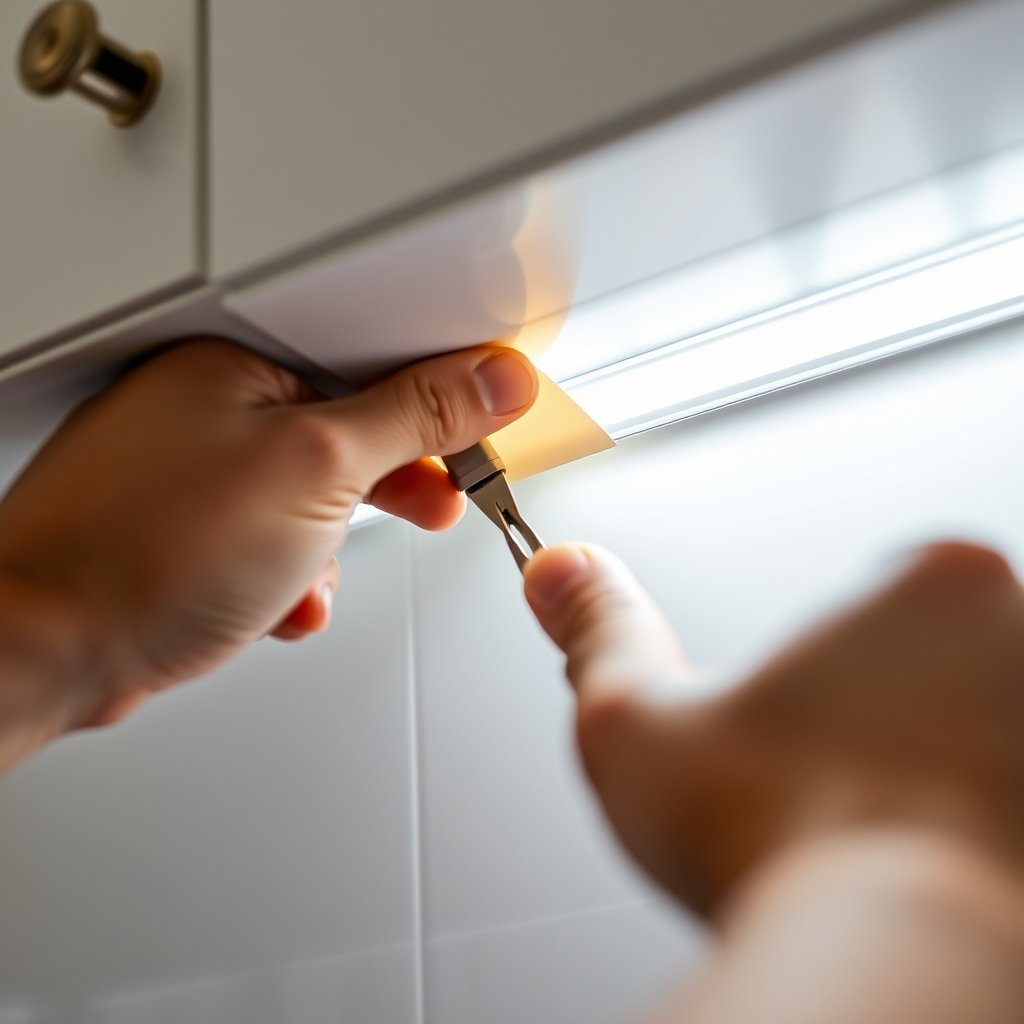
DIY installation beats professional setups for ease and savings. If you want a quick win in another area of home improvement, see our tips on the best peel and stick backsplash for kitchens or backsplashes.
Advanced Analysis & Common Pitfalls
Despite their flexibility, LED strip lights have challenges. Most buyers focus on lighting effects and smart features but overlook basics like surface prep, power matching, and integration pitfalls.
- Connectivity Issues: Smart LED strips can lose Wi-Fi connections or become unresponsive if your signal is weak or your home network is busy. Always check compatibility—some brands only work with 2.4 GHz networks, not 5 GHz, or may not support Apple HomeKit out of the box [Adayoled].
- Adhesive Failure: Humidity, dust, or uneven surfaces reduce adhesive performance. Aluminum tracks can prevent expensive strips from falling after a few weeks, especially in kitchens or bathrooms.
- Compatibility and Control: Some strips may not easily integrate with all smart home systems. Ensure that the product specifies support for Alexa, Google Home, or Apple HomeKit based on your needs. Look for compatibility with common standards like Zigbee or Matter if you want future-proof connectivity.
- Energy Use and Lifespan: While most strips are efficient, some cheap models may overheat without aluminum channels. Always check wattage per meter and rated lifespan before buying, even though 2024-specific specs are still hard to find in product listings or reviews.
- Visual Effects: Inexpensive, low-density strips create visible “dots” that look unprofessional and harsh, especially on glossy or reflective surfaces. Choose high-density (e.g., 300 LEDs/m) and combine with diffusers for smooth light output.
| Feature | Budget Strips | High-Quality/Smart Strips |
|---|---|---|
| Price (16ft, est.) | $20 or less | Varies (data unavailable), often $40 to $80+ |
| LED Density | ~60/meter | Up to 300/meter |
| CRI | Low | High (90+) |
| Smart Home Integration | Often none, or limited | Alexa/Google/Apple (check specs) |
| Recommended Placement | Basic shelving and simple accents | Architectural, living room coves, minimalist installs |
If you’re committed to whole-home upgrades, you might also be considering eco solutions like a greywater recycling system for sustainability—or want to simplify your gardening with a keyhole garden raised bed.
Conclusion
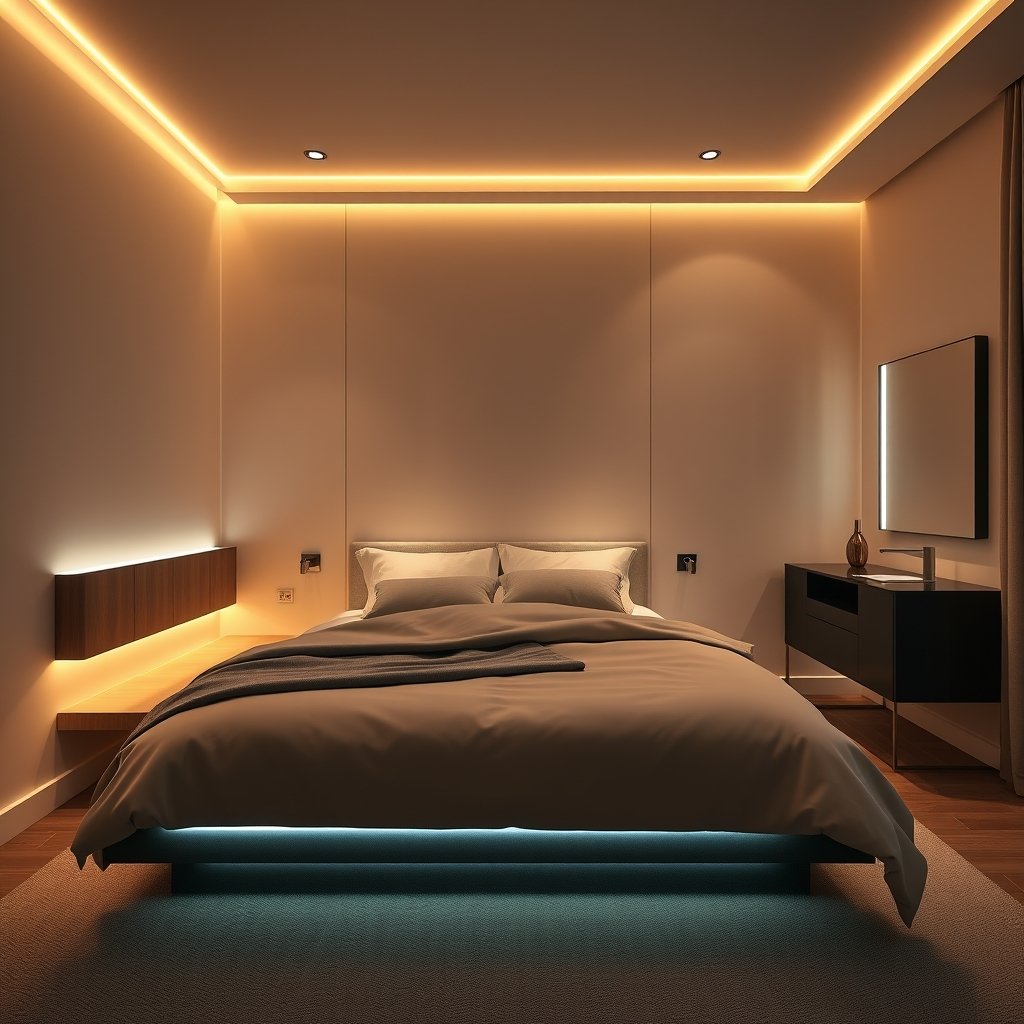
The right LED strip lights can change the look and functionality of your space—offering mood lighting, task lighting, or futuristic color effects with less cost, energy, and hassle than old-school fixtures. By pairing high-density, variable color strips with careful placement and the right mounting accessories, you get years of flexible lighting, easy smart control, and a home that feels current. Start your next home upgrade and let LED strip lights set the mood in every room. Ready to give your living space the modern glow it deserves? Start planning your project now!
Frequently Asked Questions
How do I connect LED strip lights to Alexa or Google Home?
Most smart LED strips connect via Wi-Fi and require you to install the manufacturer’s app first. Once you’ve set up the strip, add the device to your Alexa or Google Home account through their app’s “Add Device” function. If you want broad compatibility, check if the light mentions compatibility with Alexa, Google Home, or Apple HomeKit before buying.
What if my LED strip lights fall or the adhesive fails?
Clean the surface and try using a premium double-sided tape or an aluminum mounting channel designed for LED strips. Channels greatly improve adhesion and help dissipate heat, improving longevity and appearance.
Are LED strip lights safe for kids’ rooms or behind TVs?
Yes, properly-installed LED strips are safe and emit less heat than most other lighting. Ensure the power supply is rated correctly and cords are out of reach. Consider low-voltage (12V/24V) strips for extra safety in kids’ spaces.
Do LED strip lights use a lot of electricity?
No, most LED strip lights are very efficient compared to traditional light sources. Energy use varies by model but is typically much less than fluorescent or incandescent lighting, making them ideal for accent and architectural use.
Can I cut and reconnect LED strip lights?
Yes, but only at marked cutting points (every few inches). Use proper connectors or solder wires to maintain power and signal between segments. Always test before permanent installation.