

cordless drill usage has surged among both professionals and DIY enthusiasts, making it a staple tool for home improvement and construction projects in 2024. As the market continues to expand rapidly, knowing what sets a quality cordless drill apart and how to make the most of your investment is critical for users at every skill level.
Key Takeaways
- The cordless drill market reached $9.8 billion globally in 2024, with North America holding 35% market share.
- Li-Ion battery technology dominates due to its superior performance and lifespan over other types.
- Buying offline remains common, but research and prep are essential to avoid common pitfalls and ensure the tool fits your needs.
- The Core Concept: What Makes a Cordless Drill Essential?
- Step-by-Step Guide: How to Choose and Use a Cordless Drill
- Advanced Analysis & Common Pitfalls
- Conclusion
- FAQ
The Core Concept: What Makes a Cordless Drill Essential?
At its core, a cordless drill is a rechargeable, handheld tool designed for drilling holes and driving fasteners. Its battery power provides freedom of movement and versatility, making it indispensable for tasks from furniture assembly and cabinet installation to larger construction and renovation jobs. The dominance of Li-Ion technology in 2024 is no accident—these batteries are light, recharge quickly, last longer, and boost tool performance, leading to more efficient work with fewer interruptions.
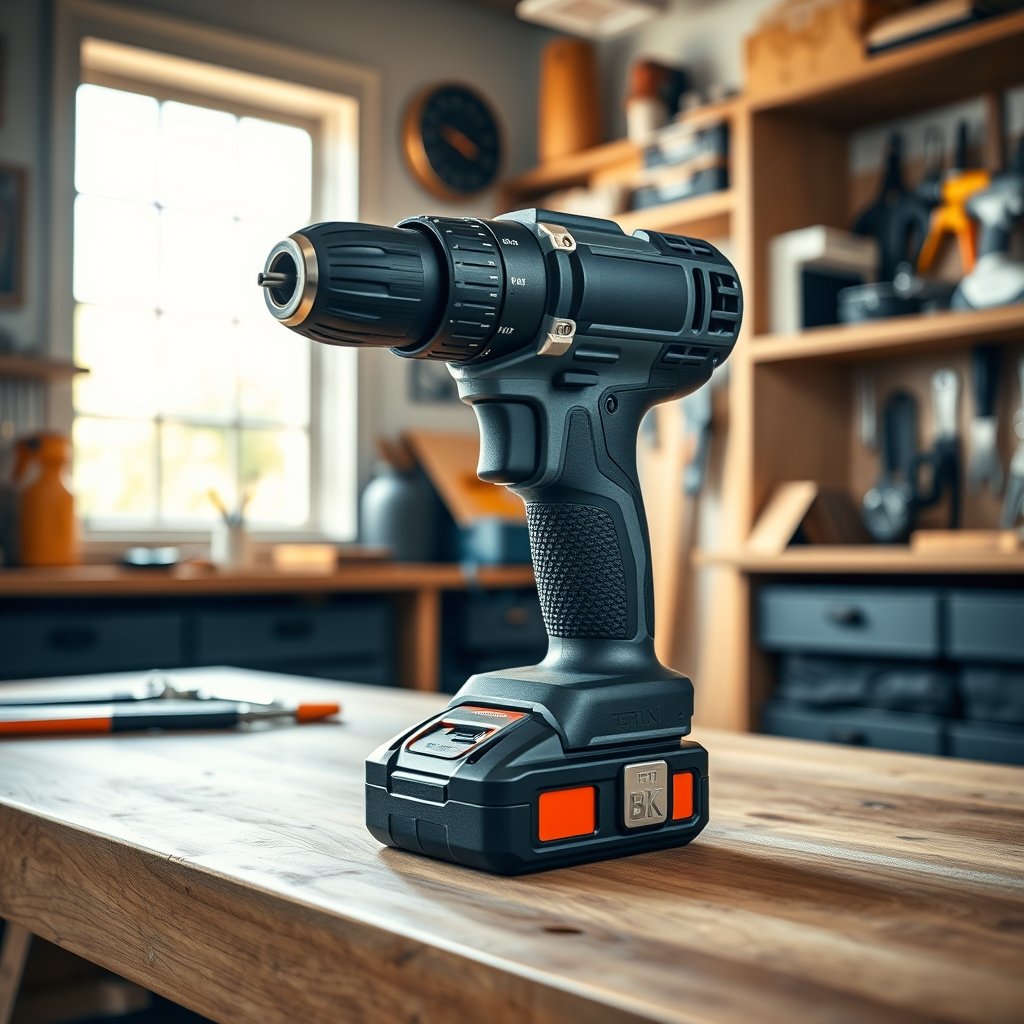
The 2024 market reflects this shift, with lithium-ion drills accounting for over 60% of total revenue.[source] Whether you’re drilling into drywall or tackling tougher surfaces like masonry or metal, the right cordless drill can reduce physical strain and complete jobs faster. Offline retail channels remain popular, as users prefer hands-on evaluation before purchase,[source] giving the ability to compare weight, grip, and balance firsthand.
Cordless drills are not just for tradespeople—they are increasingly chosen by homeowners for DIY projects such as upgrading garage flooring with epoxy floor coating, setting up smart home solutions, and regular maintenance tasks that demand both reliability and convenience.
Step-by-Step Guide: How to Choose and Use a Cordless Drill
Selecting the best cordless drill for your needs requires balancing features, budget, and comfort. Use this step-by-step guide to navigate the choice—and unlock the tool’s full potential for everything from weekend projects to pro tasks.
- Assess Your Needs
Consider if you’re mainly doing light-duty (driving screws, assembling furniture) or heavy-duty (drilling into brick or hardwood) tasks. Lighter cordless models suffice for basic jobs, while those with higher voltage and torque excel for intensive work. - Compare Battery Types
Opt for Li-Ion batteries which are the market standard in 2024—they’re lighter, hold charge longer, and have more reliable recharge cycles. Avoid older NiCd batteries unless budget restraints leave no alternative.[source] - Check Voltage and Torque
Voltage typically ranges from 12V (suitable for moderate DIY use) up to 20V or higher (for heavier materials). More torque means more power for tougher jobs, so balance your choice with likely project needs. If you plan on installing a heated driveway system or making home upgrades, lean toward higher-spec models. - Consider Brand Reputation
Trusted brands like Bosch, Makita, DeWalt, BLACK+DECKER, Milwaukee, and RYOBI continue to lead the field.[source] While model-specific reviews and price comparisons are thin in public reports, choosing from established brands can yield higher durability and easier warranty support. - Evaluate Included Accessories
Kits with extra batteries, chargers, and drill bit sets can increase value. Look for expandable ecosystems if you plan to add other cordless tools in the future. - Understand Safety Features
Select drills with comfortable, anti-slip grips and built-in LED lights for precision. Ensure the model features a secure chuck design and overload protection when possible. - Maintenance and Storage
Charge batteries regularly, clean drill chucks, and store in dry places. For those managing multiple home upgrades like implementing a greywater recycling system or enhancing outdoor kitchens, keeping tools organized ensures they’re always ready for action.
- Test Before Use
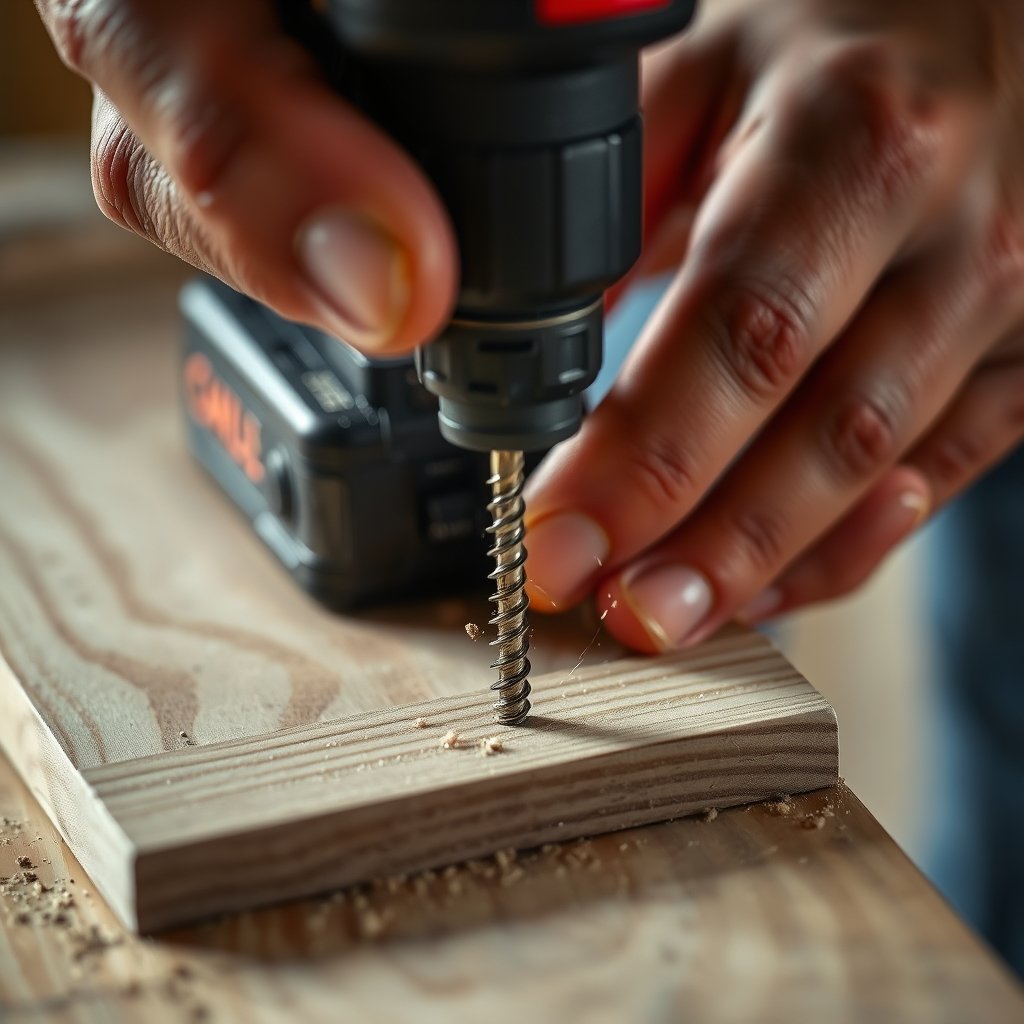
When choosing in-store, insert a bit and gently operate the trigger. Listen for unusual noises and check for vibration or imbalance. Verify the chuck holds bits firmly and the forward-reverse function works smoothly. - Plan for Charger Placement
Always recharge in a well-ventilated area and avoid quickly cycling between full and empty, as this can impact battery life.
Advanced Analysis & Common Pitfalls
Despite the growth and popularity of cordless drills, certain challenges and pitfalls remain:
- Insufficient Battery Life: Even with advances in Li-Ion batteries, heavy-duty use can outpace single-battery capacity. For large projects, keep spare batteries charged.
- Mismatched Power Levels: Choosing too low a voltage leads to underperformance, while overly powerful models may be cumbersome for light tasks.
- Comfort Neglected: Selecting a drill without considering grip, weight, or balance leads to hand fatigue and reduced accuracy during use.
- Ignoring Accessories: Overlooking included accessory compatibility can limit flexibility and increase long-term costs, especially when later expanding your workshop.
- Buying on Price Alone: Cheapest is rarely best—prioritize core features and after-sales support over the lowest price tag.
- Inadequate Storage/Protection: Storing drills and batteries in damp garages or unprotected areas shortens tool lifespan and risks electrical failures.
| Feature | Li-Ion Cordless Drills | Older NiCd Cordless Drills |
|---|---|---|
| Energy Density | High (Lightweight, Lasts Longer) | Lower (Heavier, Shorter Runtime) |
| Charging Time | Fast (60-90 Minutes Typical) | Slower (1-3 Hours) |
| Lifecycle | 500+ Charge Cycles | 200-300 Charge Cycles |
| Self-Discharge Rate | Minimal | Moderate |
Remember to align your drill purchase with your real project needs. For instance, someone updating a small bathroom tub or adding a keyhole garden raised bed requires mobility and moderate power, while demanding renovations or deck installations need top-tier battery capacity and torque.
Conclusion
The 2024 cordless drill market offers more choices, better technology, and enhanced usability for all types of users. While Li-Ion battery models lead for good reasons, careful choice and maintenance remain vital for long-term results. Assessing requirements, choosing reputable brands, storing tools properly, and making informed accessory choices are the real secrets behind getting great value.
Ready to unlock the full potential of your cordless drill? Explore trusted models, compare features, and start your next project with confidence. Whether you’re improving garage storage, adding home upgrades, or starting a DIY journey, now is the time to make your choice count.
FAQ
How do I extend the battery life of my cordless drill?
Charge batteries only as needed, avoid overcharging, and store in a cool, dry place. Use the drill on lower speeds when possible to reduce energy consumption.
What voltage cordless drill is best for home use?
For most general home projects, a 12V or 18V cordless drill provides a balance of power, weight, and battery life. Higher voltages are ideal for masonry or larger builds.
Can I use a cordless drill for concrete or masonry?
Yes, but only with the right bits (masonry bits) and a drill that supports sufficient torque and hammer function. Check your model’s specifications before use.
Are all cordless drill batteries interchangeable?
No, batteries are typically brand-specific and sometimes model-specific. Check compatibility before buying spare or replacement batteries.
What safety precautions should I follow with a cordless drill?
Wear safety glasses, tie back long hair, keep hands clear of moving parts, and unplug the battery when switching bits or doing maintenance.