

Acoustic panels DIY is more than a weekend project—it can transform an echoing home office into a focused, professional space (without emptying your wallet). See exactly what to expect as you plan and build homemade sound panels that work, and avoid mistakes that cost time or money.
Key Takeaways
- The market for DIY acoustic panels is growing fast, fueled by remote work and rising home noise problems.
- Choosing the right materials and installation approach is crucial for effective sound dampening in home offices.
- Many solutions look simple but come with hidden costs and pitfalls—knowing these saves time and frustration.
- Understanding DIY Acoustic Panels for Home Offices
- Step-by-Step DIY Guide: Building Effective Acoustic Panels
- Advanced Analysis & Common Pitfalls
- Conclusion: Should You Build or Buy?
- FAQ: DIY Acoustic Panels
Understanding DIY Acoustic Panels for Home Offices
DIY acoustic panels are framed constructions that reduce echo and unwanted noise by absorbing sound reflections in a room. In home offices, they’re especially valuable—with remote work, video calls, and content creation on the rise, demand for in-home noise reduction is at record highs. The global acoustic panel market was valued at over USD 12.8 billion in 2024—with residential use, including DIY projects, fueling rapid growth driven by noise complaints, lifestyle changes, and a need for better indoor sound quality. [Source]
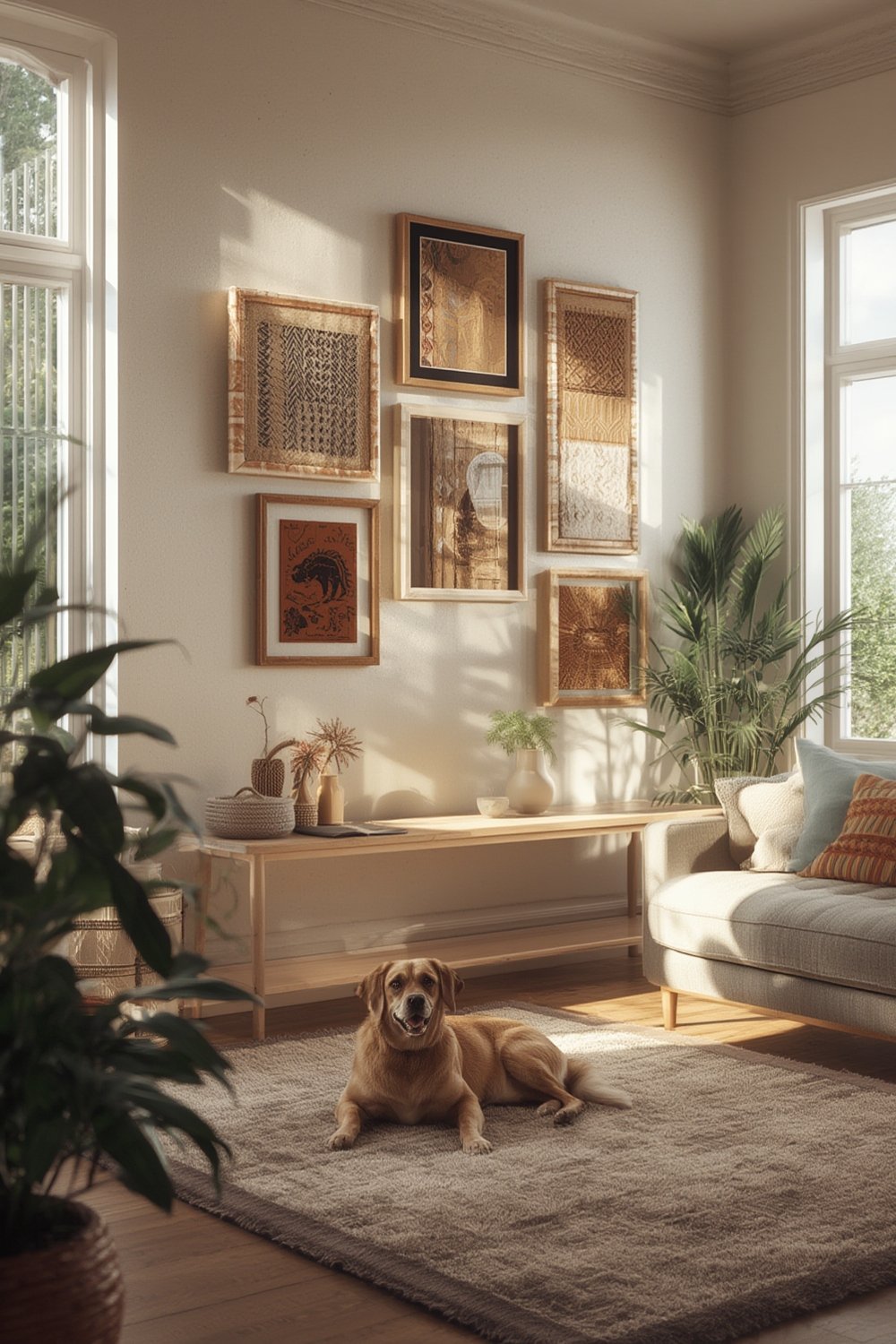
Commercial acoustic foam and pre-made panels can be expensive, generic, or poorly matched to your decor. DIY panels, in contrast, offer customization, savings, and can even use sustainable materials—like PET fiber panels or wood wool composites that are increasingly popular worldwide.[Industry Data]
Whether you’re focused on clarity in video meetings, making a podcast, or just tired of hearing your neighbor’s dog, tackling acoustic panels DIY-style lets you address real acoustical problems with tailor-made solutions.
Step-by-Step DIY Guide: Building Effective Acoustic Panels
Here’s a practical breakdown to build attractive and functional panels without unnecessary complexity or hidden costs.
1. Plan Your Panel Size and Placement
Measure your office and mark first-reflection points (walls directly across from speakers, near your desk, or on the ceiling above your workspace).
- Common panel sizes: 24×48 inches or 24×24 inches for compact rooms.
- Panels work best at ear height and/or ceiling level for home offices.
- For larger spaces, check DIY and home renovation guides for room measurement tips.
2. Source and Cut Frame Materials
Use lightweight wood, MDF, or reclaimed materials. For environmentally-conscious builds, consider PET or recycled plastic panels—these are trending fast and often easier to mount. See architectural acoustic panel material trends.
- Cut four sides per panel; attach with screws or high-strength glue.
- Finish with sandpaper for a safe, smooth edge (important if you’ll be handling or moving panels often).
3. Choose Absorptive Core
Your panel’s core is critical:
- Budget: Standard Mineral Wool Frame Panel (density 2-4 lbs/ft³) absorbs a wide range of frequencies.
- Upgrade: PET Fiber Panel, wood wool, or eco-friendly recycled materials for safer handling and comparable absorption. These are fast-growing options according to market research.
- Cheapest: Densely packed rockwool or even old towels (last resort—far less effective).
4. Wrap With Fabric
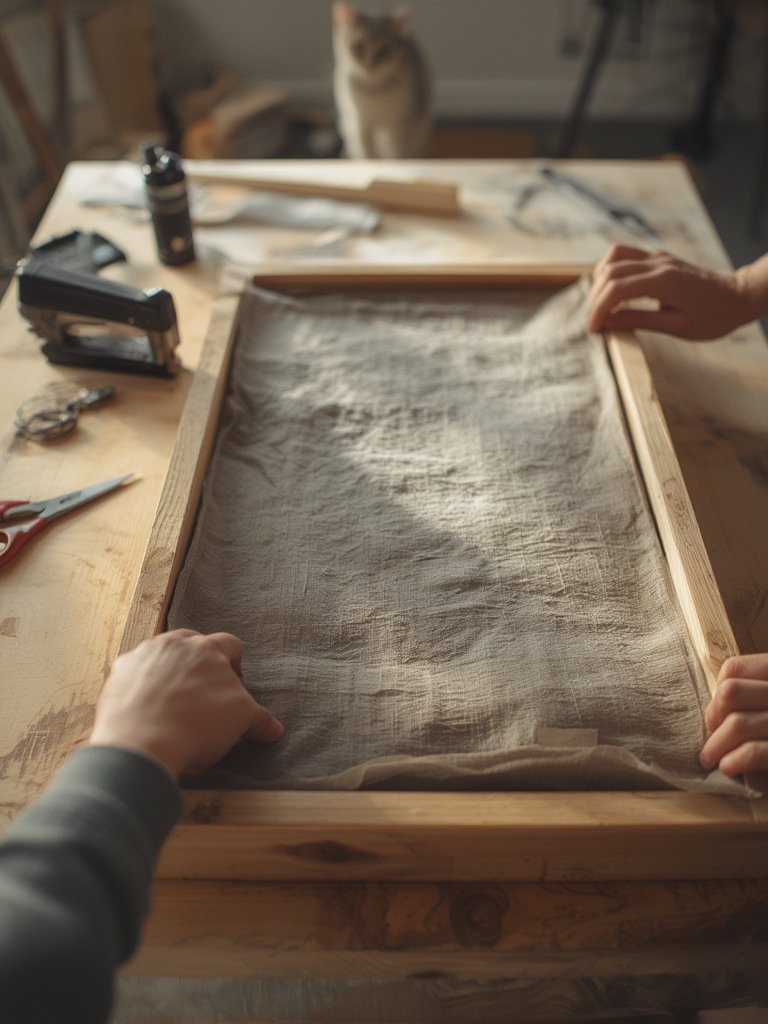
Breathable upholstery (cotton, canvas, or acoustically transparent polyester) looks best and lets sound pass to the core. Avoid vinyl or tight plastic—they reflect, not absorb, sound. Tighten fabric firmly around back; Wrap With Fabric in place. Add a backing layer for dust (optional).
5. Mount Securely and Safely
Hang using D rings, picture wire, or adhesive strips if you rent—many commercial panels now use magnetic or adhesive mounting for renter-friendly installs. Always check wall anchors for safety. For outdoor DIY projects, see outdoor maintenance guides for best mounting hardware.
Estimated Costs (2024)
- DIY Panel: $20-$45 per panel (materials + basic tools)—varies with fabric and insulation selections.
- Pre-made Acoustic Foam: $50-$130 per panel (often less durable or less effective than properly-built DIY options).
No hard 2024 pricing data, but DIY builds remain cost-competitive versus commercial, especially for moderate to large rooms.
Source: Architectural Acoustic Panels Market Report
6. Maintain Panels
DIY panels are generally low-maintenance. Brush or vacuum regularly. If you have pets or outdoor exposure, check our pet product care guide or outdoor furniture maintenance guide for protective tips.
Advanced Analysis & Common Pitfalls
Building acoustic panels yourself isn’t risk-free—here’s what research and experience reveal about typical problems and how to avoid them.
- Incorrect Material Choice: Using fabric or insulation that is too dense, plastic, or non-breathable—sound bounces rather than being absorbed. Stick with proven materials from the steps above.
- Insufficient Panel Coverage: Too few panels, or only treating one wall, results in minimal noise reduction. Plan for coverage of at least 20%-30% of your total wall and ceiling surface for meaningful results (especially in echo-prone rooms).
- Poor Placement: Hanging panels randomly—ignore first reflection points or ceiling mounting, and absorption will be patchy. Reference placement guides, or tape outlines on your wall as discussed in the Pro Tip.
- Installation Issues: adhesive strips may fail if walls are textured or humid; heavy panels need secure anchors.
- Fire Safety: Some insulation materials and cheap imported foams can be highly flammable. Always check ratings and local codes—especially for commercial or multi-family settings.
- Maintenance Oversights: Dust buildup can reduce absorption. Vacuum panels gently every few months.
| DIY Panel Type | Pros | Cons |
|---|---|---|
| Mineral Wool Frame Panel | Very effective, versatile, affordable materials | Itchy to handle, heavy, needs good wrapping |
| PET Fiber Panel | Lightweight, eco-friendly, easy to cut, less irritation | Slightly more expensive, can be less dense |
| Repurposed/Thrifted Frame Panel | Cheap, sustainable, customizable | Variable strength, may look less ‘finished’ |
| Pre-Made Foam Tiles | Plug-and-play, wide availability | Often unattractive, less absorption per area, pricey |
For indoor and outdoor sound solutions that blend style and functionality, our durable furniture overview offers ideas for integrating panels with decor—making your project easier and more visually appealing.
Conclusion: Should You Build or Buy?
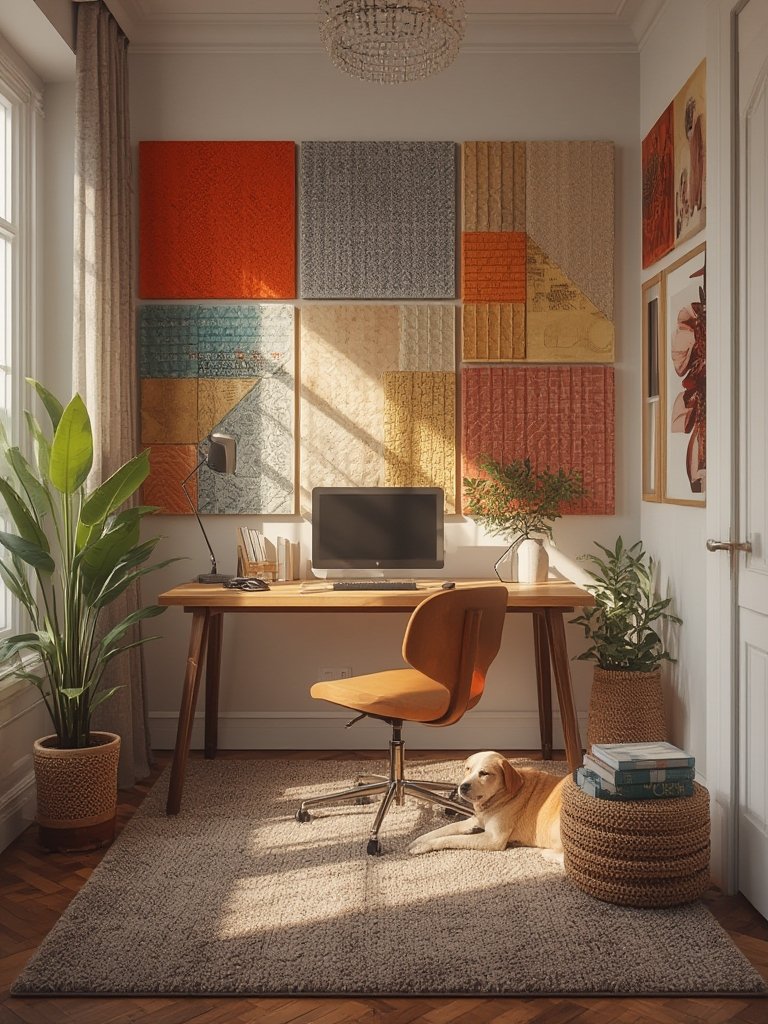
DIY acoustic panels offer cost savings, customization, and smart use of eco-friendly materials. Still, they demand planning, careful material selection, and some time investment. For small offices or highly visible spaces, a DIY approach works best when you want personalized style and sound control. If you need a truly turn-key result or guaranteed safety ratings, commercial options may be the better fit. Either way, with a bit of research and the steps above, acoustic panels DIY can transform your workspace—and your working hours. Ready to reclaim your focus? Start your build—or bookmark this guide and share it with a friend.
FAQ: DIY Acoustic Panels
What is the best material for DIY acoustic panels in a home office?
Mineral wool (rockwool), rigid fiberglass, or dense PET fiber batt are most effective for absorption. Choose materials with safe handling and proven ratings—PET fiber is trending for eco-friendliness and ease of use.
How many acoustic panels do I need for my office?
Coverage of 20%-30% of total wall and ceiling space is typical for moderating echo. Start with reflection points (walls beside and opposite your desk), then add ceiling or corner panels if needed.
Are DIY panels as effective as store-bought panels or acoustic foam?
Yes, if you use proper materials and follow placement best practices. DIY panels can outperform basic foam tiles—especially for mid and low frequencies. However, commercial panels may feature tested safety/fire ratings.
Can I install acoustic panels without drilling holes in my wall?
Yes. Use Command strips, adhesive hooks, or freestanding/magnetic mounts (increasingly popular). For renters, always check weight limits and wall finish to prevent damage.
What is the average cost of building DIY acoustic panels versus buying?
DIY builds usually range from $20 to $45 per panel depending on materials. Pre-made foam or fabric panels cost $50-$130 or more per panel. Larger rooms benefit most from DIY savings.