

Epoxy garage floor coating is one of the most popular solutions for transforming dull, dusty concrete into a seamless, resilient surface, but not all epoxy jobs are created equal—and the difference between DIY kits and professional installations can mean years of extra life or sudden peeling disappointment.
Key Takeaways
- Professionally installed epoxy garage floor coatings can last 10–20 years, while DIY epoxy kits often fail within 1–2 years due to prep and material limitations.
- Surface preparation and substrate moisture testing are critical—most failures (pro and DIY) are due to overlooked or improper prep work.
- Adding a UV-stable urethane topcoat and following a multi-layer process can maximize longevity and appearance in high-traffic garages.
- What Is Epoxy Garage Floor Coating and Why It Matters
- How to Get a Durable Epoxy Garage Floor: Step-by-Step
- Advanced Analysis and Common Pitfalls
- Conclusion
- Frequently Asked Questions
What Is Epoxy Garage Floor Coating and Why It Matters
Epoxy garage floor coating is a two-part chemical system (resin plus hardener) that bonds to concrete, creating a seamless, chemical-resistant surface. Most homeowners turn to epoxy to protect garage floors from stains, hot tire marks, and cracks, all while upgrading the look of their space.
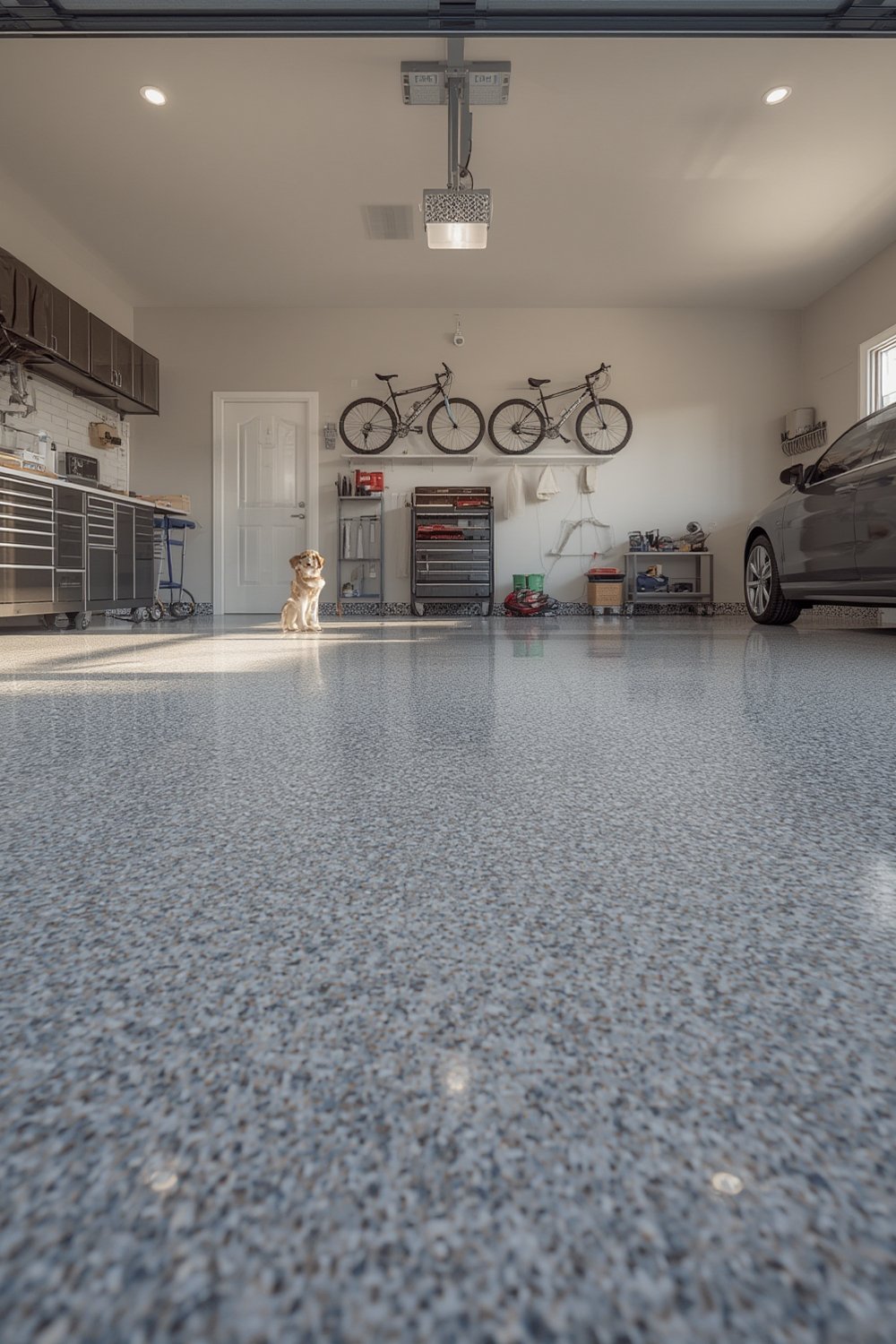
The distinction between DIY and professionally installed epoxy isn’t just about labor—it’s about the thickness of the coating (typically triple with pro installs), quality of surface prep, and the chemistry behind the shine. For instance, DIY kits rely on simple acid etching and thinner, lower-grade formulations, while pros use mechanical grinders for profiling and higher-solids epoxy systems that withstand real-world abuse for many years.
If you’re considering an epoxy garage floor to enhance your next DIY or home improvement project, understanding the crucial factors behind longevity can prevent regrets and wasted investment. Coming up, we’ll break down the exact steps for success—and things even the pros sometimes miss.
How to Get a Durable Epoxy Garage Floor: Step-by-Step
- Assess and test your slab for moisture. Tape a clear plastic sheet (2×2 ft) to the floor overnight. If condensation forms, you need a moisture-blocking primer before any epoxy. Many failures, even with pro jobs, are due to skipping this step.
- Thoroughly clean, degrease, and mechanically grind the surface. Rent a floor grinder with diamond tooling—power-washing or acid-etching is not enough for reliable bonding.
- Vacuum up all dust and debris. Use a shop vac and microfiber cloths. Even fine dust left behind can cause delamination days later.
- Apply the primer coat. Use a high-solids, two-part epoxy primer for the best base—thin paint-style kits are more prone to wear and peeling.
- Lay down the base epoxy coat. Mix just enough for 30-minute increments, and work in small sections for even coverage.
- Broadcast decorative chips or flakes (optional). For grip and style, add these before the epoxy cures, then sweep off the excess after drying.
- Apply a UV-stable urethane (or polyaspartic) topcoat. This step is essential in garages getting sunlight, as epoxy yellows and loses gloss otherwise.
- Cure and maintain properly. Avoid driving or heavy use for at least 72 hours, and sweep or rinse regularly—not just for appearance, but also longevity.
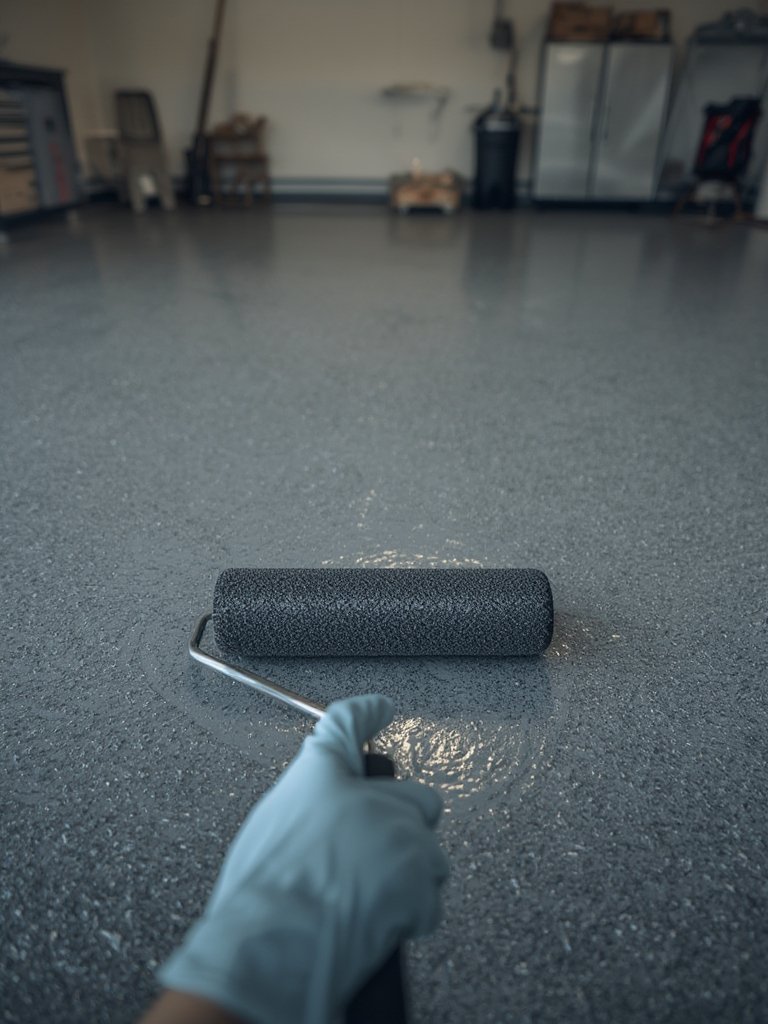
If your floor is especially old or pitted, trowel in a concrete patch and allow it to cure fully before epoxy application. Want to avoid mistakes? Many seasoned DIYers reference guides about outdoor maintenance and garage products to compare the best-rated epoxy kits and tools suited for home use.
Getting the prep right not only ensures a longer-lasting floor but also saves headaches with repairs or recoats later—removal of failed epoxy is costly and time-intensive. If in doubt, consult a reputable installer for a quote and ask about mechanical preparation methods and topcoat chemistry for your climate.
Advanced Analysis and Common Pitfalls
Even after careful application, several recurring problems show up in verified customer reviews and across independent research reports:
- Poor surface prep: Acid etching instead of grinding leaves a weak profile, making both DIY and pro jobs prone to peeling.
- Ignoring substrate moisture: Skipping moisture testing or using epoxy on damp concrete triggers time-delayed delamination, often within a year.
- Using thin, “paint-style” kits: These frequently wear out or stain under vehicle traffic, especially in climates with hot tire pickup.
- Lack of UV-stable urethane topcoat: Standard epoxy yellows with sunlight exposure—an upgrade urethane or polyaspartic topcoat can prevent this, especially for garages with windows or doors that let sunlight in.
- No multi-layer build: Single-cover DIY solutions provide little thickness and lower impact resistance, unlike professional three-coat systems.
Let’s compare the main options for garage floor coatings based on research from leading industry sources:
| Coating Type | Lifespan | UV Stability | Maintenance | Best Use |
|---|---|---|---|---|
| Epoxy | 5–20 years | Moderate (yellows) | Regular cleaning | Indoor garages |
| Polyaspartic/Polyurea | 20–25 years | High (no yellowing) | Low | Sunlit/outdoor |
| Concrete Paint | Shorter than epoxy | Low | Frequent sealing | Budget indoor |
| Epoxy + Urethane Topcoat | 10–20 years | High | Moderate | High-traffic indoor |
DIY kits can be tempting for budget reasons, but most last just 1–2 years—mainly due to lower-solids material and insufficient floor profiling (source).
Professionally installed epoxy, by contrast, is thicker and often includes a UV-stable urethane topcoat, which helps avoid yellowing and abrasion even with sunlight or heavy vehicle use (source).
For a truly durable and low-maintenance garage, experts now often recommend polyaspartic or polyurea coatings due to their exceptional resistance—but these also come with increased upfront costs. For those balancing durability and cost, adding a urethane topcoat to standard epoxy can bridge the gap.
If you’re exploring advanced garage or garden upgrades, don’t miss our guides on vertical garden wall systems or durable outdoor furniture options to further enhance your space.
Conclusion
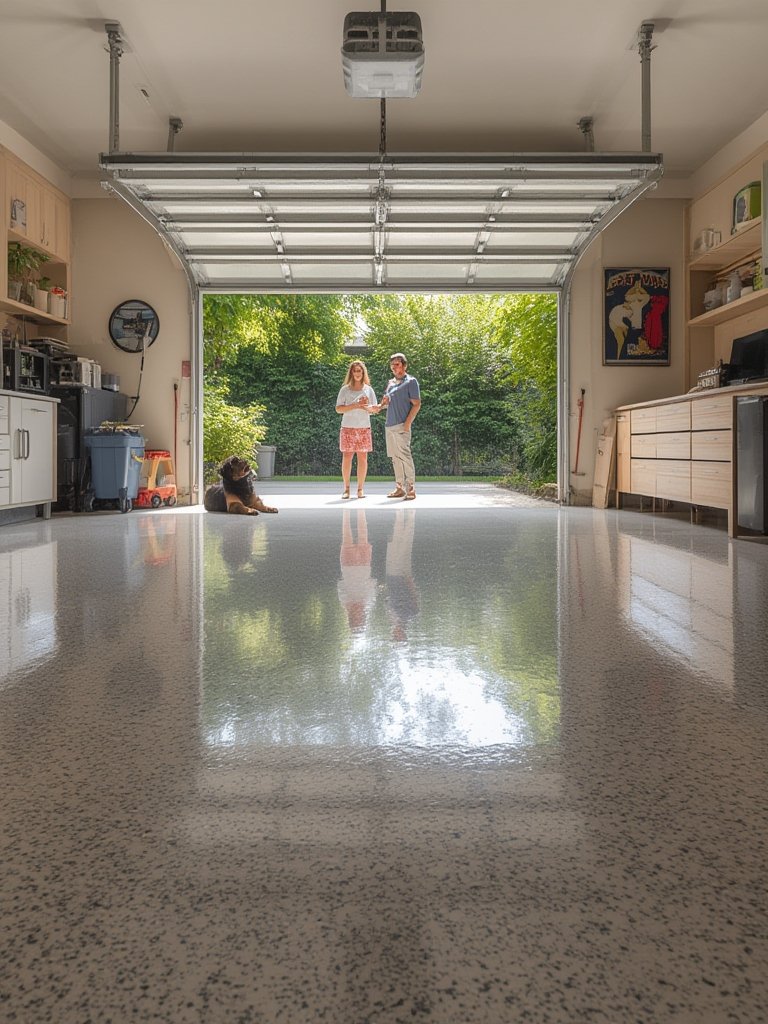
Done right, epoxy garage floor coating transforms plain concrete into a cleaner, longer-lasting, and more attractive surface. The secret to avoiding costly mistakes? Prioritize surface profiling, moisture testing, and a proper multi-layer system with a UV-stable urethane topcoat. Pay attention to the pitfalls—even professionals sometimes miss crucial steps. If you want results that last, invest in quality prep and materials over shortcuts. Ready to start? Consider which coating type matches your garage’s exposure and traffic, and weigh both DIY and pro options before making a decision. To explore even more ways to enhance your garage and outdoor living, check out our latest reviews and guides, or learn how top pet products or rain garden design plans can complement your improved space. When you’re serious about results, epoxy garage floor coating is one upgrade that pays for itself in years of clean, beautiful use. Start planning now—your garage deserves it.
Frequently Asked Questions
How long does a professional epoxy garage floor coating really last?
With proper prep and maintenance, pro-installed epoxy coatings can last 10–20 years in most home garages, though you may see some fading or minor issues after about 5–10 years depending on sunlight and traffic (source).
Do DIY epoxy garage floor kits work?
DIY epoxy kits provide only 1–2 years of durability on average, mainly because they use weaker materials and rely on basic acid etching, which is less effective than mechanical grinding for surface prep (source).
What’s the #1 reason epoxy coatings fail?
Improper surface preparation is the most common cause. Skipping grinding, ignoring moisture levels, or leaving dust behind leads to poor adhesion and early peeling or bubbling.
How much does it really cost to epoxy a two-car garage?
DIY kits can cost a few hundred dollars in materials, but expect to redo the job every couple of years. Professional installs are more expensive upfront, running into the thousands, but make up for it with much greater lifespan and protection.
Does epoxy turn yellow in the sun?
Yes, standard epoxy will eventually yellow if exposed to direct sunlight. Adding a UV-stable urethane or polyaspartic topcoat prevents this and preserves the finish.