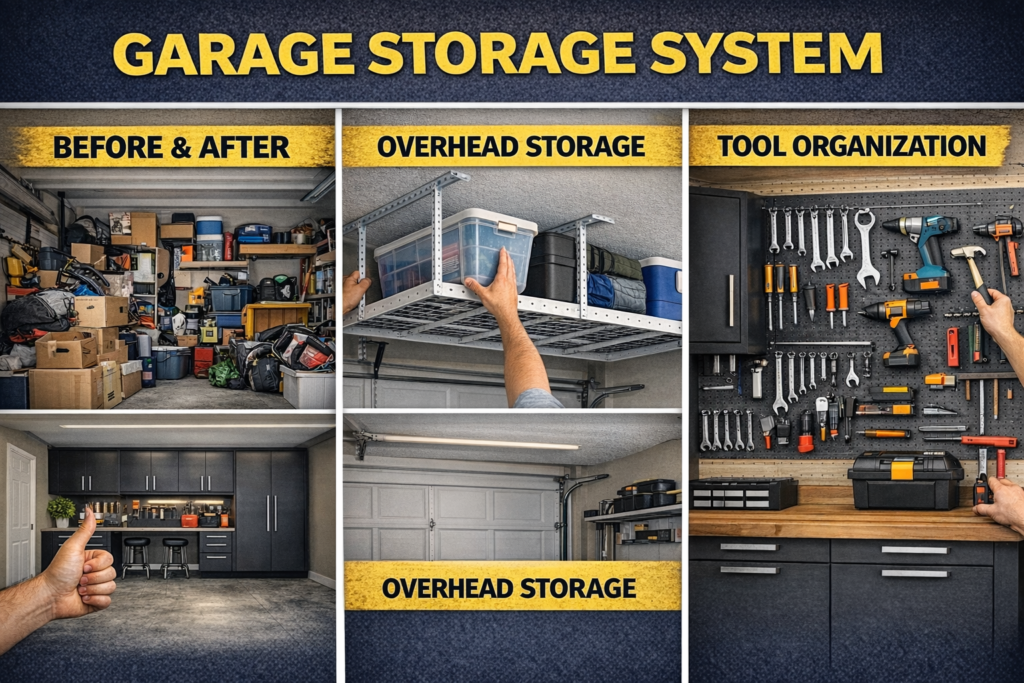

Garage storage system upgrades are transforming cluttered garages into highly organized, practical workspaces across the country. Whether you want better tool storage, need to clear out piled-up gear, or want your garage to double as a workshop, practical storage can make a dramatic difference. But not all garage storage solutions work as promised. This guide gives you the latest data, real user frustrations, and hands-on steps—so you can avoid costly mistakes and get real results.
Key Takeaways
- The global garage storage system market is projected to reach over $55 billion by 2033, with modular and wall organization systems leading demand (source).
- Most complaints focus on poor load capacity, complex installs for DIYers, and lack of flexibility—heavy-duty options and good design are crucial.
- Advanced options, like smart tool tracking and eco-friendly materials, are emerging but real-world before/after data is still rare.
- Garage Storage System: What & Why It Matters
- How to Design and Install a Garage Storage System (Step-by-Step)
- Advanced Analysis & Common Pitfalls
- Conclusion
- Frequently Asked Questions
Garage Storage System: What & Why It Matters
A garage storage system is a combination of shelves, cabinets, wall-mounted tracks or panels, and sometimes overhead solutions—designed to keep your tools, sports equipment, gardening supplies, and seasonal items in order. The 2024 market shows a surge in modular wall organization, offering tailored storage for every garage size, from compact city spaces to larger suburban bays. Systems free up floor space, reduce daily frustration, and help turn garages into functional hobby zones or hybrid work areas.

Why invest in a system? Seventy percent of homeowners want to manage clutter, and over half use their garage for DIY or hobbies as well as storage. Well-chosen storage boosts efficiency, keeps valuable tools safe, and may indirectly improve your home’s appeal [Market Data]. New trends include integrating smart tool tracking and using recycled or low-emission materials for sustainability. The right garage storage system turns chaos into usable space.
How to Design and Install a Garage Storage System (Step-by-Step)
- Assess Your Needs & Space
Empty your garage and categorize everything: tools, sporting goods, seasonal decor, hazardous materials, and all the “I’ll use it someday” clutter. Measure the available wall height, width, and ceiling clearance. Consider how you use the garage: car parking, workshop, gym, or storage.💡 Pro Tip: Before purchasing any garage storage system, map out zones on the garage floor with painter’s tape, so you can visualize where each category will go. This helps prevent buying the wrong sizes or not enough units.🔥 Hacks & Tricks: Use old cardboard to create life-size mockups of shelves and cabinets—stand them up to get a true sense of how much walking and parking space you’ll have left. - Choose the Right Storage Components
- Wall-mounted tracks or panels: Best for flexibility and maximizing vertical space—look for heavy-duty metal systems with at least 200-350 lbs per shelf capacity.
- Cabinets: Metal is strongest, though quality plastic can work for lightweight items. Modular cabinets make future changes easier.
- Overhead racks: Great for seldom-used seasonal items—verify ceiling joist load limits first to avoid damaging your home structure.
- Hooks and baskets: Add these for ladders, garden tools, and sports gear.
Brands like Husky offer proven heavy-duty performance (shelves rated to 350 pounds, drawers to 120 pounds) [Research]. For those wanting a stylish, seamless garage floor, consider installing epoxy floor coating before assembling your storage system.
- Plan Efficient Layouts
Place wall storage on the longest wall, keep deep cabinets along the sides, and maintain a clear path for vehicles. Avoid blocking windows, electrical panels, or doorways.
If you work in the garage, integrate a workspace or desk—space-saving options like a Murphy bed desk combo may inspire creative layouts in multi-use spaces. - Install Safely & Correctly
Read all mounting and weight capacity instructions. Drill into studs, not drywall, and use lag bolts for shelving. For heavy cabinets, install anti-tip brackets where possible. Recruit a second set of hands for large wall panels or ceiling racks. Safety first—use gloves, goggles, and never exceed rated loads.When in doubt, consult a professional installer—especially for ceiling racks, as improper setups risk heavy loads falling. DIY is possible but be realistic about your skill level. For smart tool tracking or more advanced setups, integration with smart home devices can streamline access, but most systems are still in early adoption stages.
- Maintain & Adapt Your System Over Time
Periodically declutter seasonal items, inspect for corrosion (especially on metal racks), tighten mounting hardware, and clean with manufacturer-approved products. Consider eco-friendly upgrades, like greywater recycling systems, if your garage doubles as a workshop and water use increases. Remember, long-term reliability depends on both strong materials and maintenance habits.
Advanced Analysis & Common Pitfalls
The garage storage system market keeps evolving—yet many homeowners run into similar issues. Here are the main roadblocks and the lessons from recent research:
- Weight Failures: Systems not rated for heavy tools or bulky gear can collapse or detach. Buy heavy-duty shelving and always check capacity ratings.
- Complex Installation: DIY setups account for 37% of sales, but customer reviews show many struggle with mounting wall or ceiling racks securely (source).
- Inflexible Design: Fixed cabinets or cheap shelves leave little room to adapt as your storage needs change—modular systems win here.
- Lack of Real Maintenance Plans: Competitor articles rarely address cleaning, rust prevention, or managing composite/eco-materials as they age (source).
- No Realistic Before/After Data: Market reports suggest improved appeal and usability, but there’s little real-world research showing exact space saved or home resale figures.
| System Type | Estimated Load Capacity | Main Pros | Common Pitfalls |
|---|---|---|---|
| Wall-mounted Steel Shelves (e.g., Husky) | 350 lbs (per shelf) | Very durable, efficient use of space, supports heavy items | Challenging install for DIY, needs stud mounting, higher cost |
| Plastic Modular Racks | 100-150 lbs | Easy to install, lightweight, affordable | Limited capacity, prone to sagging, not for power tools |
| Overhead Ceiling Racks | 150-500 lbs (distributed) | Clears floor, stores large bins, maximizes unused space | Complex to mount, safety risk if overfilled, hard to access items |
| Pre-Assembled Cabinets | 200-400 lbs | Sleek look, lockable, protects from dust | Expensive, inflexible sizes, installation may block access |
Some storage systems—especially wall-mounted racks and overhead shelves—can boost usable square footage and daily workflow. However, failure to periodically clean or inspect mounting hardware leads to early wear or even accidents. Integration with smart home devices still lacks reliability and standards, so stick to proven systems until more data emerges.
Conclusion
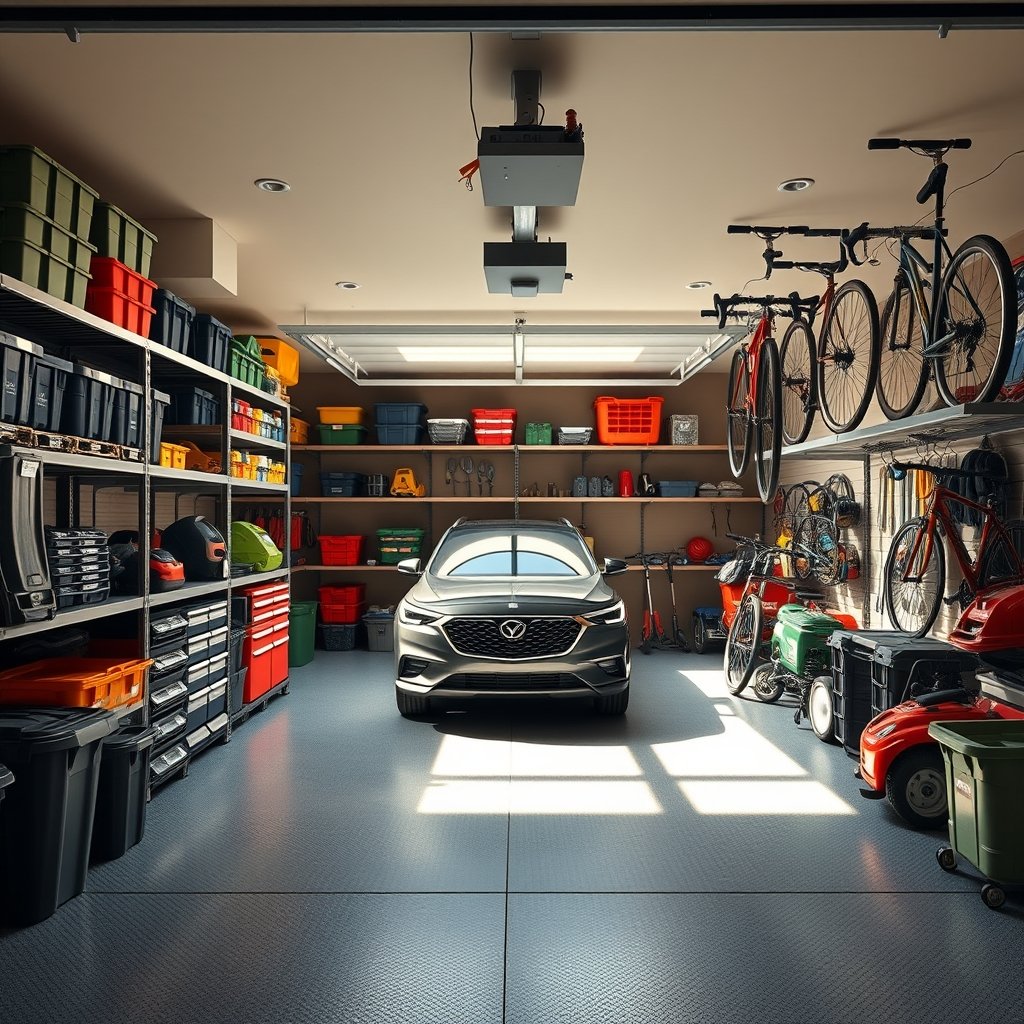
Investing in a garage storage system is one of the smartest ways to reclaim space, protect your tools, and reshape your home’s functionality. The right choices—modular heavy-duty shelves, smart layout, and regular maintenance—avoid the most common frustrations. Take your time to plan, compare real weight ratings, and adapt as your needs grow. A well-designed garage storage system makes daily life simpler and your home more appealing—even if direct resale value data is lacking. Ready to upgrade? Start today and take full command of your garage.
Explore more space-saving ideas with multifunctional furniture for small garages and home offices and see how a simple DIY garage floor upgrade can provide pro-level durability and style.
Frequently Asked Questions
How much weight can a garage storage system safely hold?
This depends on the components. High-end steel shelves (like Husky) hold 350 lbs per shelf, while plastic units are best for lighter loads. Always anchor shelving to studs and never exceed manufacturer load specs.
Can I install a garage storage system on my own?
Many systems are DIY-friendly, especially modular plastics or ready-to-assemble steel racks. Wall-mounted and ceiling units require power tools, stud finding, and strict safety—get help or a pro for heavy items.
Will adding a storage system increase my home’s resale value?
No direct ROI numbers exist, but organized, clutter-free garages are more attractive to buyers. Efficient use of space could help, especially if the garage also functions as a workshop or gym.
How do I maintain garage wall-mounted systems?
Inspect anchors and hardware every few months, dust or clean the surfaces, check for corrosion on metal components, and adjust shelves as your needs change. Use only recommended cleaners for your system’s materials.
Are smart garage storage systems worth it yet?
Some units now offer built-in locks or tool-tracking through IoT, but standards and long-term reliability are still developing. For most homeowners, proven heavy-duty shelving is the better investment for now.