

Greywater recycling system home solutions are surging in popularity as water costs rise and sustainable home projects become essential for modern households. Discover how residential greywater systems can help you save thousands of gallons of water, cut your bills, and boost your landscape without complicated tech or expensive installs.
Key Takeaways
- Greywater systems now let homeowners reuse up to 60% of indoor water—offering huge savings on utility bills and supporting sustainable gardening.
- Simple DIY and advanced automated options are available, but legal codes and practical setup details often get overlooked.
- Designing the right system for your needs, keeping up with maintenance, and integrating with smart home tech can maximize effectiveness while avoiding common pitfalls.
- What Is a Greywater Recycling System For Home?
- How to Set Up a Home Greywater Recycling System: Step-by-Step
- Analysis & Common Pitfalls (What Most Guides Miss)
- Conclusion & Next Steps
- FAQ: Greywater Recycling System Home
What Is a Greywater Recycling System For Home?
A greywater recycling system home setup collects gently used water from showers, bathroom sinks, and laundry, treating and diverting it for landscape irrigation or toilet flushing. This cuts water waste and bills for homeowners—especially where rates are high or drought is common.
With U.S. households now using about 300 gallons per day (EPA), and up to 60% of that being reusable as greywater, today’s systems repurpose thousands of gallons a month. The 2024 global market exceeded $1.48 billion, with U.S. homes driving adoption thanks to strong water conservation incentives and new building codes like those in California.
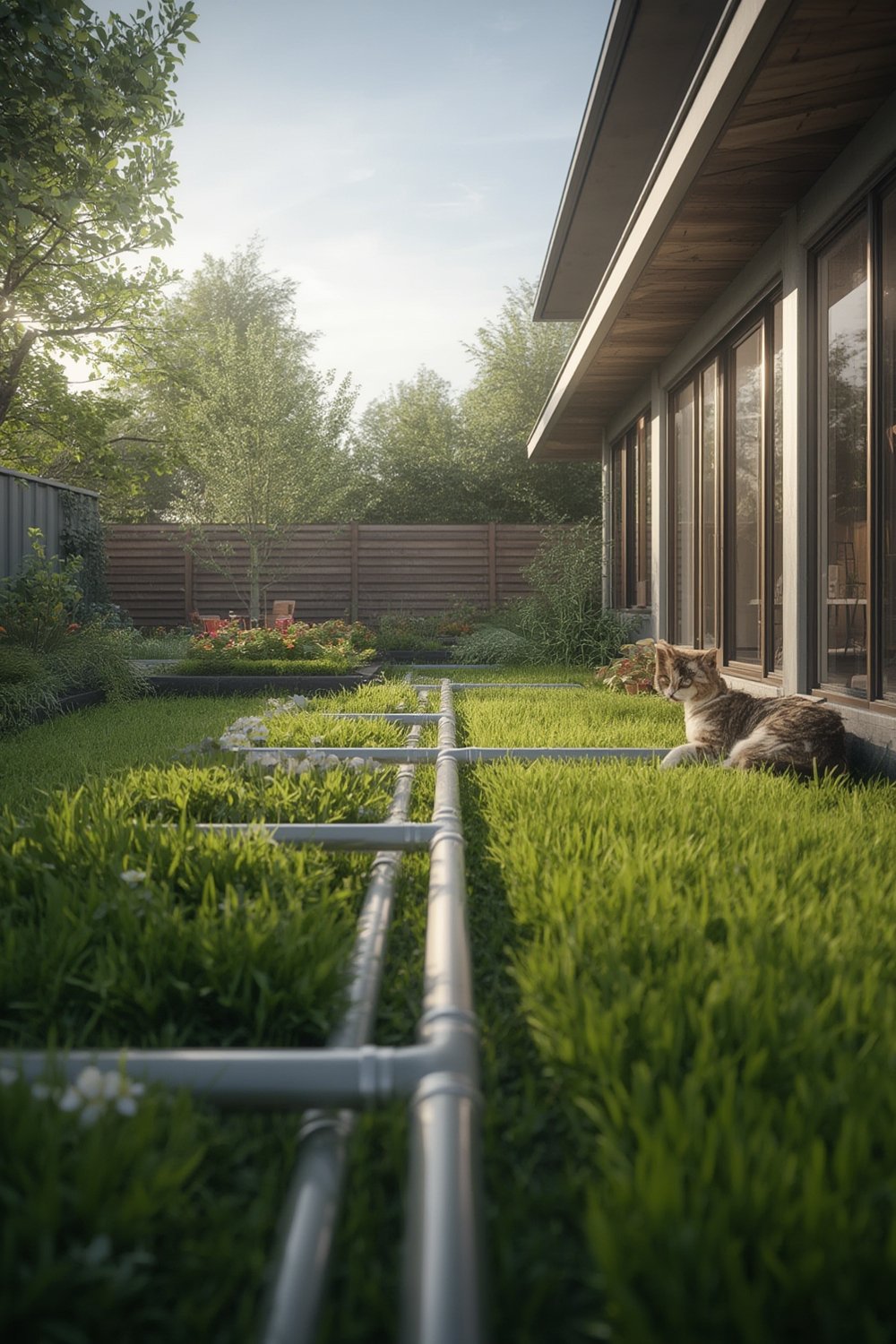
Greywater systems range from simple, passive diverters for garden beds to automated, “active” units with filtration and pumps. Rebates in water-stressed regions lower costs, and modular designs let you start small—scaling up as needed for bigger homes or gardens.
The impact is real: Many households see their water bills drop by up to 50%, while supporting resilient home landscapes and meeting legal sustainability goals.
If you’re looking to expand your garden with less waste, a greywater system also pairs well with upgrades like rain garden design and vertical gardens.
How to Set Up a Home Greywater Recycling System: Step-by-Step
Whether you’re a DIY enthusiast or ready to hire a pro, installing a home greywater recycling system requires careful planning—especially to meet local codes and protect plants and pipes. Here’s a focused guide for a DIY laundry-to-landscape or sink-to-garden setup, the two most common and affordable home options.
1. Assess Your Greywater Sources and Needs
- Identify easy-to-access water sources—typically the laundry machine or bathroom sinks.
- Calculate daily and monthly greywater volumes: Most U.S. households can divert about 5,400 gallons per month from laundry and bathroom sinks (60% of 300 gallons/day).
- Match expected output to your garden’s irrigation needs to avoid over- or under-watering plants.
2. Choose Your System Type
- Passive gravity diverters: Cheapest and easiest for simple garden beds. These use gravity and require no pump.
- Active pump-based systems: Handle longer distances or elevation but cost more. Some are smart-home compatible for automated watering.
- DIY kits are widely available and often come with diverters, hose, filter baskets, and basic installation hardware.
Smart irrigation integration is a growing trend—combine your greywater with automated valves or sensors for a truly hands-off system.
3. Gather Materials & Tools
- PVC pipe (1 to 2-inch, depending on flow)
- Ball valve or 3-way diverter valve
- Flexible irrigation tubing
- Gravel mulch or underground “mulch basins” at garden endpoints
- Simple mesh filters or filter baskets (essential for laundry setups)
- Teflon tape, clamps, basic plumbing tools (saw, wrenches, gloves)
For a more stylish landscape, combine your irrigated beds with permeable pavers or a lush native pollinator garden.
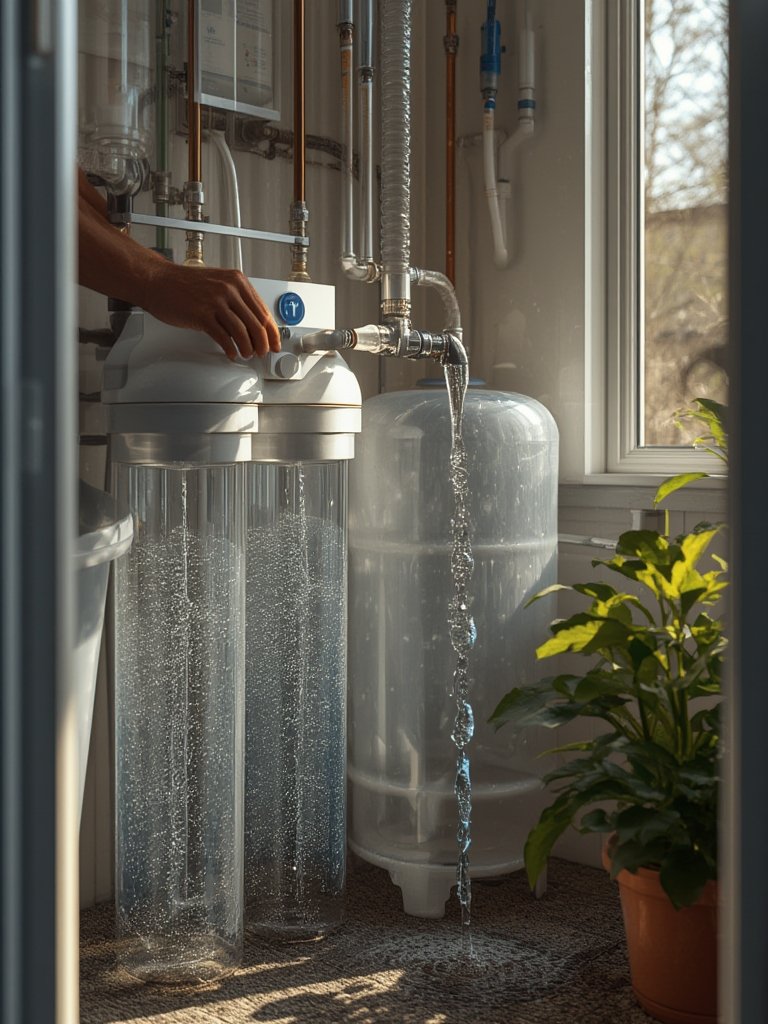
4. Install the Diverter and Plumbing
- Shut off water and disconnect the appliance (washer or sink drain pipe).
- Add a diverter valve to split the flow between the sewer and your irrigation line for easy switching.
- Install a filter basket in an accessible spot before pipes leave the house.
- Run irrigation tubing through a basement, crawl space, or exterior wall to the garden zone. Slope pipes to maintain gravity flow where possible.
5. Set Up Dispersal Zones
- Dig shallow mulch basins or trenches in your garden beds for even watering and soil filtration.
- Never allow greywater to pool or run off the property—this can violate codes and attract mosquitoes.
6. Test, Monitor, and Maintain
- Test the diverter and inspect for leaks or clogs.
- Every 1-2 weeks, check the filter and flush lines if needed.
- If using laundry water, choose biodegradable, low-sodium detergents to avoid harming plants.
Allow 2-4 hours for most simple DIY installs. For larger systems or those needing pumps, consult a licensed plumber.
Analysis & Common Pitfalls (What Most Guides Miss)
Many guides gloss over three big areas: ongoing maintenance, system sizing, and legal compliance. Here’s what you actually need to watch out for:
Most Overlooked Aspects
- Ongoing Maintenance: Even automated systems with smart controls require regular filter cleaning. Neglect leads to slow drainage and possible odors.
- System Sizing: Oversized systems can waste money, while undersized ones miss out on full water savings. Calculate your true daily laundry and sink greywater output, and compare with landscape needs.
- Integration with Smart Home: IoT-enabled systems (automated diverters, soil moisture sensors) are new in the market and can optimize use, but require initial configuration and maintenance.
Realistic Problems & Constraints
- Local Codes: States like California, and countries such as Australia and India, are now enforcing permits and strict installation standards. Always confirm before buying parts or starting DIY work. More details appear in the latest industry reviews.
- Detergent & Soap Residue: Regular detergents contain chemicals or salts (sodium) that can build up in soil and harm sensitive plants. Use only “greywater-safe products.”
- Filter Clogging: Laundry lint and hair are the main culprits. Modular filter baskets help but must be checked frequently—especially if you have pets or messy kids.
- Water Quality for Gardens: Greywater may not be safe for root vegetables or edible leaves. It’s ideal for ornamental plants, trees, and lawns but not edible crops.
- Cost Recovery: Rising water rates make systems cost-effective in 3–8 years. However, upfront costs vary widely from a few hundred dollars (DIY) to several thousand for pro installs, even after rebates.
| Aspect | Passive/DIY System | Active/Professional System |
|---|---|---|
| Typical Cost (2024-2025 Data) | $200-800 (parts only, irrigation-grade) | $2,000-7,000 (full install, automation) |
| Payback Period | 3–5 years (quickest with high water rates) | 4–8 years (faster where rebates apply) |
| Maintenance Needs | Filter/flushing every 1–2 weeks | Automated, but still requires annual service |
| Usage Restrictions | Garden irrigation only, never for edible crops | Bathroom/toilet reuse possible with higher treatment |
If you’re planning outdoor upgrades, explore more DIY-friendly ideas such as home improvement resources or add-ons like thermal curtains for overall utility savings.
Conclusion & Next Steps
With water rates rising and climate concerns intensifying, installing a greywater recycling system home solution is one of the most practical steps you can take. By understanding system sizing, embracing simple maintenance, and following local codes, you’ll save water, enjoy lower bills, and keep your landscape thriving for years. Ready to reclaim your water use? Plan your own greywater system now—and combine it with other smart landscape upgrades for maximum benefits.
FAQ: Greywater Recycling System Home
How much can I save on my water bill with a greywater recycling system?
Most U.S. households can cut bills by up to 50%, depending on local water rates and how much greywater you divert for irrigation or toilet flushing. Typical savings come from reusing about 60% of your indoor water—often 5,000 gallons or more per month.
Is it legal to install a DIY greywater system in my city?
Laws vary by state and city. California and parts of Australia require permits. Laundry-to-landscape systems are often allowed with few restrictions, but check your local codes before starting.
Can greywater make my plants sick, or harm garden soil?
If used correctly, greywater is safe for non-edible plants. Avoid high-sodium detergents or harsh cleaners, and don’t use greywater directly on edible crops or where children play.
Does a greywater system require a lot of maintenance?
Minimal systems only need a quick check and filter cleaning every 1–2 weeks. Automated systems are easier but still benefit from routine inspections and occasional flushing.
What are some easy upgrades I can pair with my greywater system?
Consider integrating smart garden automation, installing vertical garden walls, or adding efficient garden tools for a low-maintenance, sustainable landscape.