

Heated driveway system cost is one of the first questions homeowners ask when considering radiant snow melting solutions for their driveway. If you want to avoid shoveling, slipping, or dealing with icy driveways all winter, understanding the real costs, electricity usage, hidden expenses, and installation options is critical — before you commit to this significant upgrade.
Key Takeaways
- Heated driveway system costs in 2024 typically range from $12 to $25 per square foot, and total prices vary dramatically based on size, system type, and installation complexity.
- Operational costs depend on system (electric vs hydronic), local utility rates, and climate but can range from $120 to $600+ per season for hydronic setups.
- Retrofitting an existing driveway is significantly more expensive than installing a heated system during new construction or repaving.
- Understanding Heated Driveway System Cost
- How to Budget and Plan Your Heated Driveway
- Advanced Cost Breakdown & Common Pitfalls
- Summary: Is a Heated Driveway Worth the Cost?
- Frequently Asked Questions
Understanding Heated Driveway System Cost
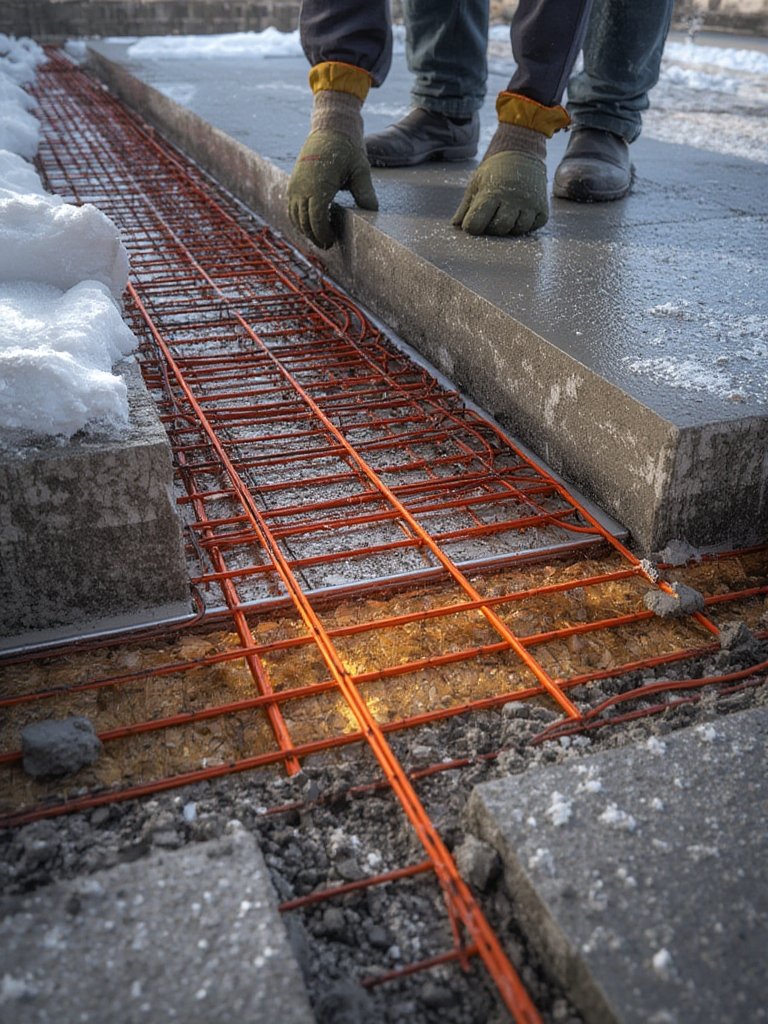
Heated driveway systems use embedded electric cables or water-filled tubing to melt snow and ice, turning your driveway into a winter-friendly, low-maintenance surface. The main advantage is clear: safety and convenience—no more snow shoveling, de-icing, or waiting for a plow. But this innovation comes with considerable cost and a few unique challenges.
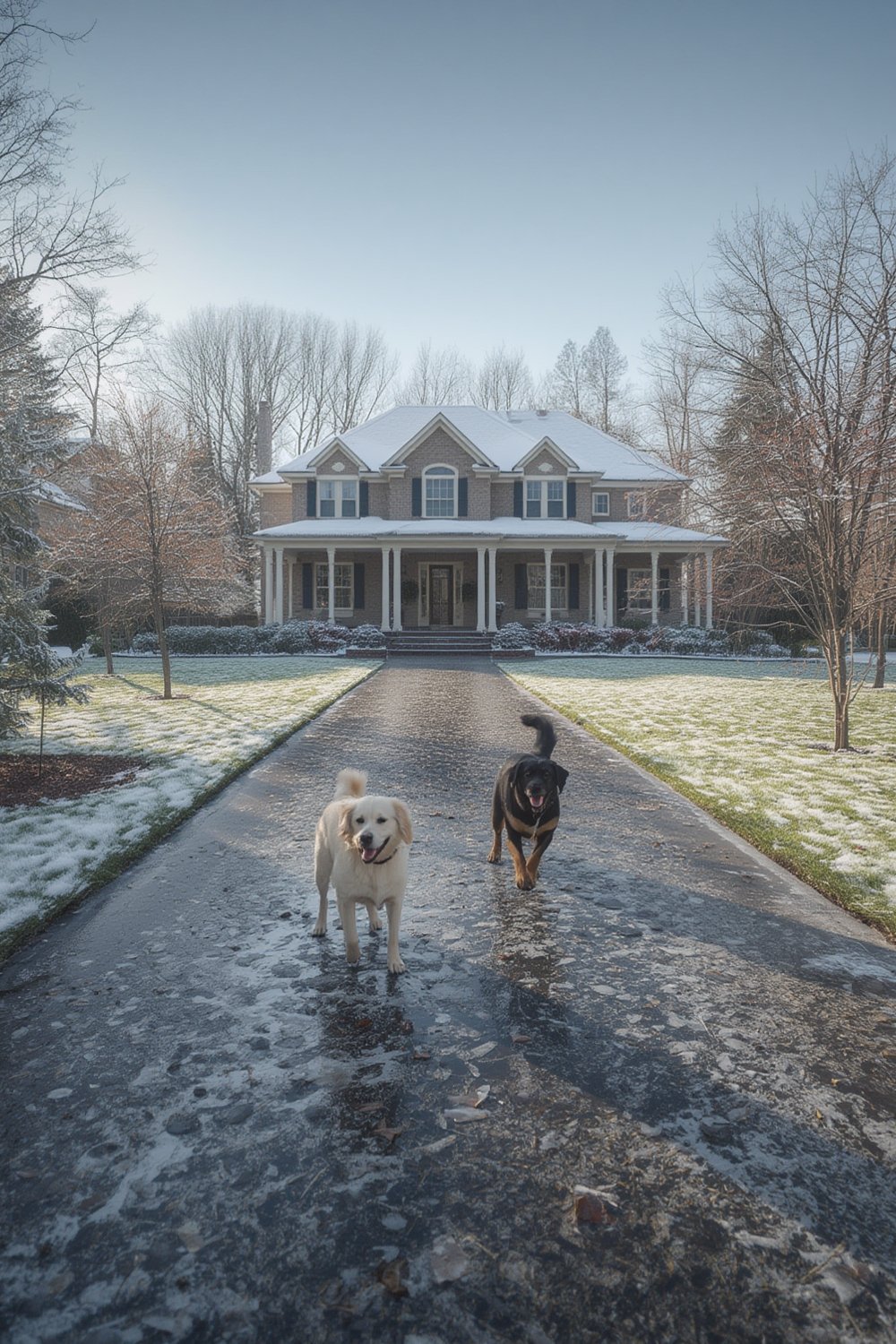
The average heated driveway system cost in 2024 is about $13,000, though projects can range from as little as $1,600 for minimal setups to well over $25,000 for large, complex jobs. The per-square-foot pricing ($12–$25) covers equipment, materials, and labor for both electric and hydronic systems. Costs increase with driveway size, whether you install electric or hydronic heating, and whether existing pavement must be removed.
Hydronic systems generally cost slightly more to install but can save money over the long term if natural gas is available. Electric systems are simpler to install but can lead to higher electricity bills, especially in snowy climates. Timing matters: you’ll get the best value by installing the system while repaving or building new.
A heated driveway isn’t a universal solution for everyone, but in climates where ice and snow pile up and safety is a concern, it can be a major upgrade. For more ideas to streamline your yard, see our Local
How to Budget and Plan Your Heated Driveway
Getting accurate pricing for heated driveway systems means carefully considering driveway size, heating method, local installation rates, and possible upgrades. Here’s how to approach it step-by-step.
1. Measure Your Driveway and Define Coverage
Start by measuring the area where you want snow melting. Decide between full coverage or only heated tire tracks. Use accurate square footage for cost estimates. If you’re planning a permeable paver driveway, consult with your installer to ensure compatibility.
2. Select Your System: Electric vs Hydronic
Electric cable and mat systems are ideal for average-sized driveways (200–600 sq. ft.), thanks to simpler installation. Expect electrical upgrades and higher utility bills, especially in snowy regions. Hydronic is better suited for very large driveways and lower ongoing costs if you have access to low-cost natural gas. For extra details, the Warmup cost guide breaks down both system types.
3. Get Itemized Bids and Plan for Add-Ons
Request quotes that show material, labor, electrical upgrades, controls, and removal of old pavement. For retrofit jobs, driveway removal adds $1–$2 per square foot. If your home’s electrical service is undersized, adding a heated driveway may require a new panel—which can double system costs, according to Angi.
4. Ask About Modern controls and Energy Management
Modern controls (costing $600–$3,799) can sense snow, adjust heating, and limit run time to reduce energy bills. Some smart controls are WiFi-enabled for remote activation or integrate with home automation.
5. Consider Long-Term Operational Costs
Typical electric systems draw 35–50 watts per square foot, adding up to $3.25/hour for a 400 sq. ft. driveway. Expect higher costs in snowbelt regions — as much as $30–$60 per snowstorm for medium-size driveways. Hydronic installs can reduce seasonal costs to $120–$600 for a 1,000 sq. ft. driveway, according to WillowHome.
6. Budget for Maintenance and Future Repairs
While the research did not report much about repairs or warranty, most systems are low maintenance when properly installed. Ask for written warranty details and retain receipts.
For more information on outdoor upgrades and planning, visit our website
Advanced Cost Breakdown & Common Pitfalls
Heated driveway installations are heavy on up-front costs and may not suit all homes. Here’s a detailed breakdown of typical installation pricing and pitfalls that often catch homeowners by surprise.
| Driveway Size | Total Installation Cost | Electric System | Hydronic System | Removal/Retrofit Fees |
|---|---|---|---|---|
| Small (10’ × 20’) 200 sq. ft. |
$2,561–$5,600 | $2,400–$5,000 | $2,900–$6,800 | $200–$400 extra |
| Standard (20’ × 20’) 400 sq. ft. |
$4,750–$10,000 | $4,800–$10,000 | $5,700–$11,000 | $400–$800 extra |
| Large (30’ × 20’) 600 sq. ft. |
$7,000+–$15,000+ | $7,200+–$15,000+ | $8,700+–$16,500+ | $600–$1,200 extra |
Common Pitfalls
- Retrofitting costs: Digging up an existing driveway adds $1–$2 per square foot and may expose underlying issues (requiring more repairs).
- Electrical service upgrades: Many homes need a larger panel; this can double your project price.
- Missed maintenance/warranty details: Most articles and even some installers skip realistic maintenance or warranty topics—demand this info up front.
- Lack of snow sensors/timers: Without snow sensors/timers, operating costs rise quickly, and energy is wasted.
- Climate miscalculation: Underestimating local snowfall means higher-than-expected electric/gas bills and system overuse.
- Material mismatch: Certain pavers or permeable surfaces may not conduct heat evenly; ask your provider about compatibility with your chosen driveway material.
Not Covered by Most Guides
- User complaints, negative reviews, and repair rates are almost never published—use caution and research your chosen brands or installer reputation.
- Permits, code, and insurance requirements are not widely discussed but may be necessary in your area. Always check city guidelines and consult your insurance provider.
- ROI/payback period is very climate-dependent—run custom numbers for your region and expected snowfall per year.
Summary: Is a Heated Driveway Worth the Cost?
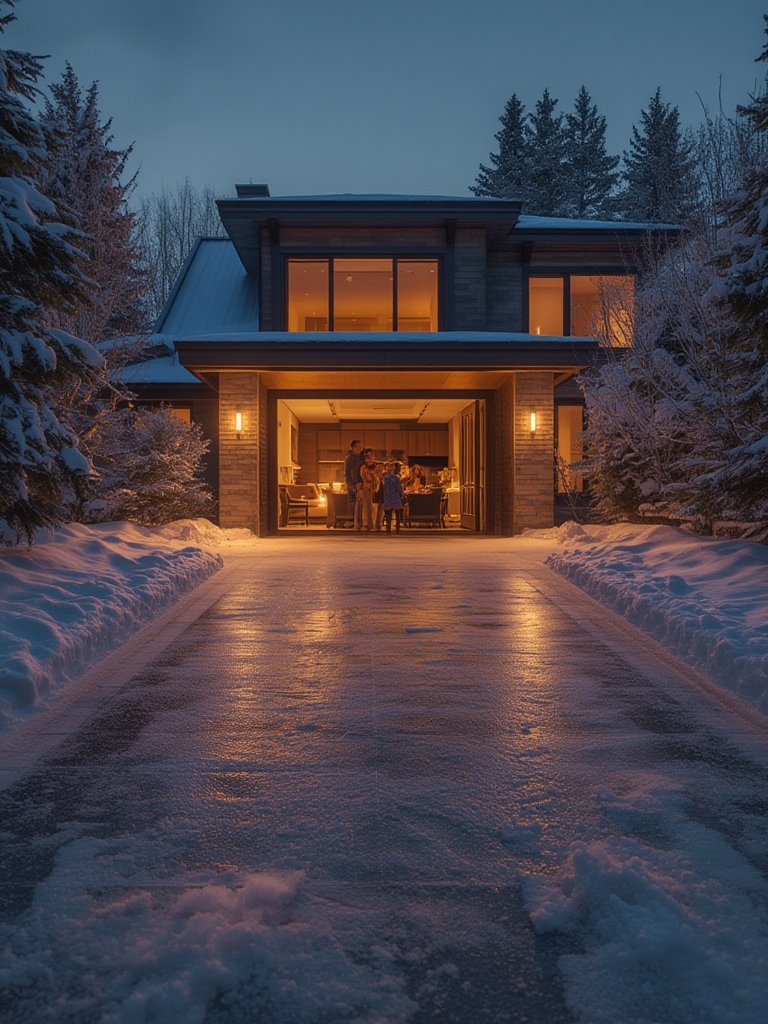
The upfront heated driveway system cost is significant, with complete systems ranging from $2,500 to over $25,000 based on driveway size, type, and installation conditions. Ongoing electricity or gas use adds hundreds of dollars per season, especially in snowy climates. However, for those who value safety, easy access, and never shoveling again, the investment can pay off—especially if planned during new construction or repaving.
Ready to explore outdoor upgrades? Check out our guides on epoxy garage floor coatings and vertical garden wall systems for more inspiration. Calculate your real costs, get detailed quotes, and ask about controls, compatibility, and warranty before making the leap.
Frequently Asked Questions
How much does it cost to run a heated driveway during winter?
For a typical 400-square-foot driveway, electric systems cost about $3.25 per hour to operate and can run $30–$60 per major snowstorm. Hydronic systems are less expensive, usually $120 to $600 per winter for 1,000 sq. ft. Results depend on snowfall and how long you run the system.
Is it cheaper to install a heated driveway during new construction?
Yes. Integrating heating cables or tubing when pouring a new driveway saves money because there’s no need for demolition or surface removal. Retrofitting an existing driveway adds $1–$2 per square foot in removal costs alone.
Are heated driveway systems reliable and low maintenance?
When installed correctly by an experienced contractor, heated driveway systems are typically reliable and require little regular maintenance. However, research on long-term performance and actual user complaints is limited. Always request warranty details from your installer.
Can a heated driveway increase home value?
In cold climates with frequent snow, a properly installed heated driveway can boost your home’s value and appeal, especially for buyers who prioritize convenience and safety.
Do I need a permit or special insurance to install a heated driveway?
Most cities require permits for major driveway work and electrical upgrades. Always check with your local building department before starting. Notify your insurance company about the new system for proper coverage.