

Mushroom growing kit indoor is one of the easiest ways for urban dwellers to enjoy fresh, gourmet mushrooms right from their kitchen table — but most beginners underestimate the nuances of setup, troubleshooting, and maintenance. If you want realistic yields and a smooth growing experience, this guide is for you.
Key Takeaways
- The indoor mushroom grow kit market is booming, with convenience and sustainability driving urban adoption.
- Common pitfalls include environmental control, risk of contamination, and misunderstood maintenance — but realistic planning helps.
- Step-by-step guidance and small space hacks can maximize your yield and success, even for absolute beginners.
- What Is an Indoor Mushroom Growing Kit and Why Use One?
- Step-by-Step Guide: Success with an Indoor Mushroom Growing Kit
- Advanced Analysis & Common Pitfalls (Yield, Costs, Contamination)
- Conclusion
- FAQ
What Is an Indoor Mushroom Growing Kit and Why Use One?
An indoor mushroom growing kit lets you cultivate edible or gourmet mushrooms at home with minimal space, tools, or prior experience. Kits supply a pre-inoculated substrate (such as sawdust or straw) within a bag, box, or tub — just add water and wait for mushrooms to grow. Writers and gardeners are turning to these kits for sustainable protein, organic produce, and an introduction to home food production.
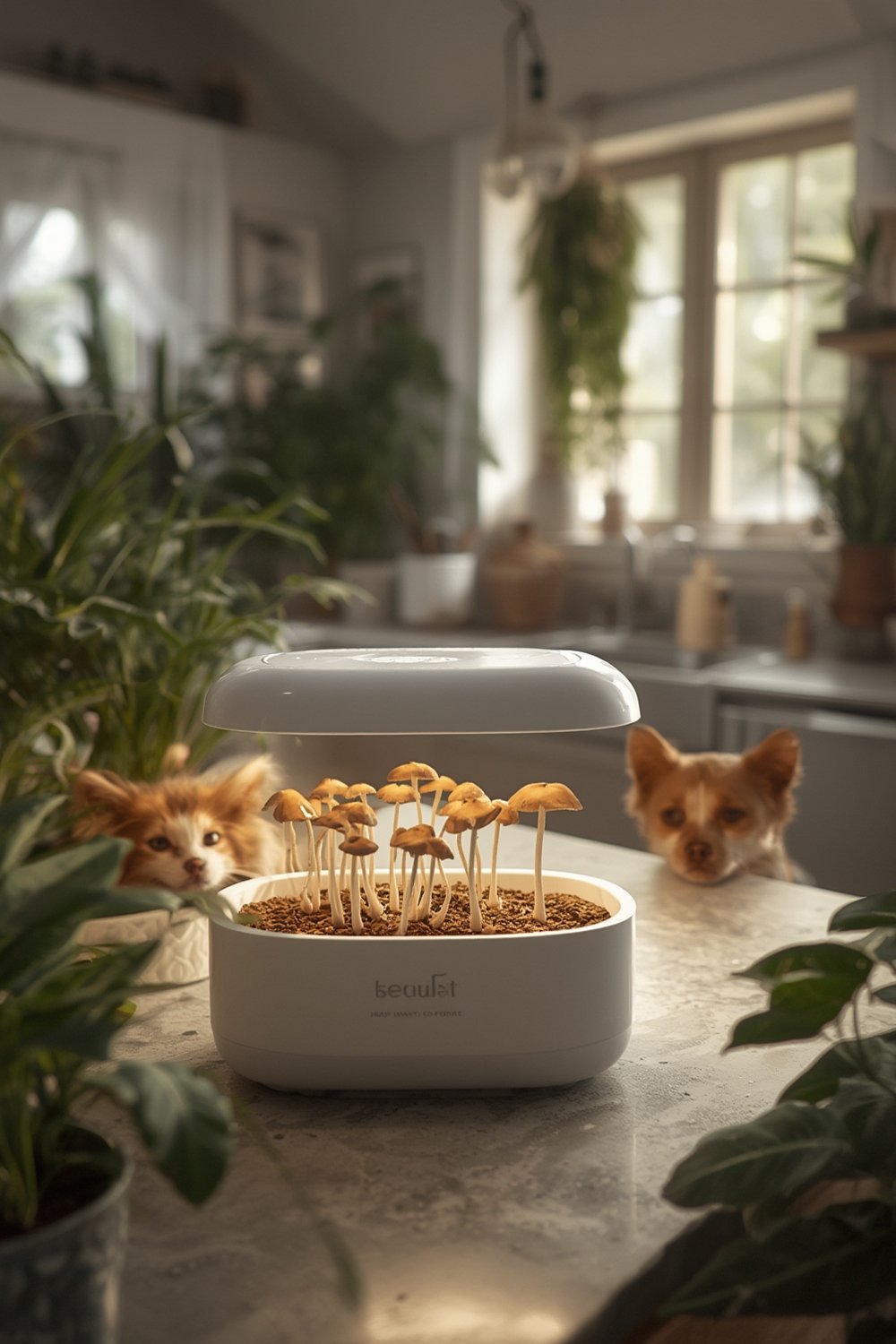
The indoor mushroom grow kit market reached over $1.2 billion globally in 2024, with a massive growth trend fueled by city living, convenience, and eco-awareness. Markets in North America and Europe account for more than 70% of global sales. Modular home kits have seen over 2.3 million annual units sold, and Asia-Pacific is rapidly catching up due to rising incomes and popularization of gourmet mushrooms.
Those new to growing should note: while kits can be very beginner-friendly, success hinges on understanding key setup and care factors — especially humidity, temperature, and the risks of contamination. Unlike classic gardening, mushroom cultivation relies on a balance of cleanliness and environmental control, more so than soil or seed-based crops.
Growing mushrooms at home means easy access to fresher, less-handled produce — often with more nutrients and less packaging waste compared to supermarket mushrooms. It’s a hands-on route for urban dwellers to experiment with sustainable food.
Looking for more ways to upgrade your indoor-outdoor living space? Check out these ideas on durable and stylish furniture for your home and garden.
Step-by-Step Guide: Success with an Indoor Mushroom Growing Kit
- Choose the Right Kit
Pick the kit suited for your indoor climate, space, and taste. Oyster mushrooms are easiest for beginners, while shiitake, lion’s mane, or button mushrooms may require closer attention to detail. - Unbox and Prepare the Kit
Follow unboxing instructions precisely. Place the kit on a tray in a low-traffic area to minimize chance of contamination. - Set Up Environmental Controls
Mushrooms need consistent humidity (typically 85%–95%), moderate temperatures (60–75°F or 16–24°C depending on variety), indirect natural light, and good air flow. A kitchen counter out of direct sun, or a bathroom shelf can work well. - Maintain and Monitor Growth
Mist daily with clean, filtered water. Watch for changes in color or fuzzy growth — these can indicate contamination. Fruiting generally starts in 7–14 days; harvest when caps start to flatten. - Harvest and Enjoy
Use clean scissors to cut mushrooms at the base, avoiding the substrate. Restart a second flush (crop) by removing old stems and rehydrating as instructed.
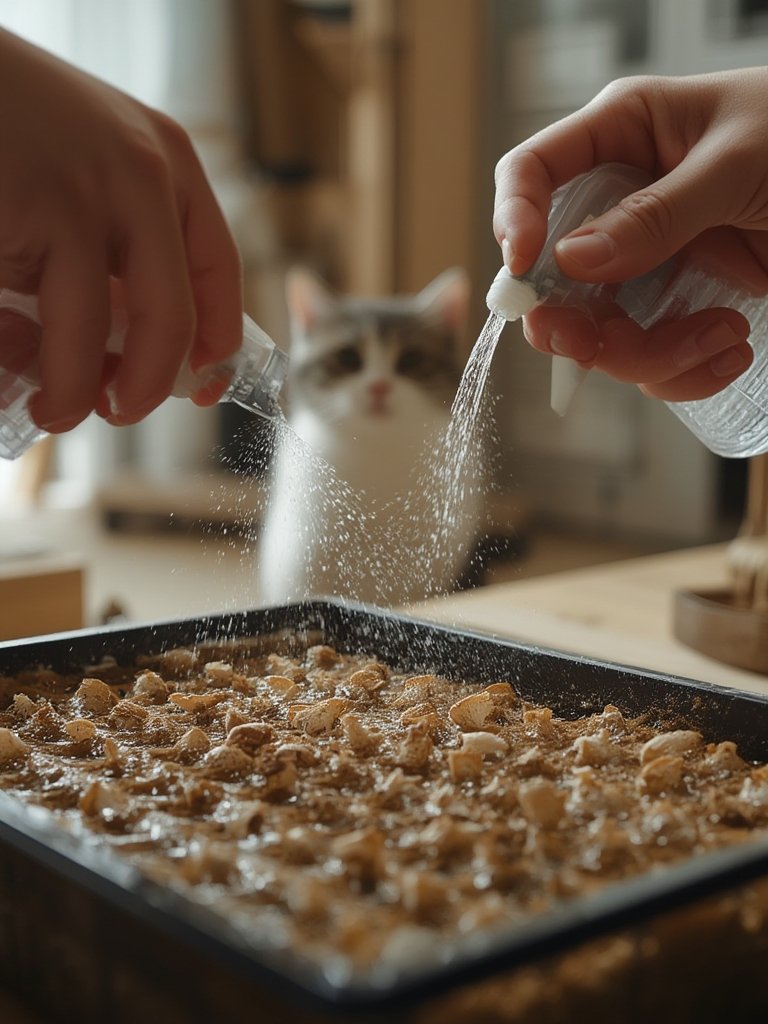
You don’t need fancy equipment, but a basic spray bottle, a digital thermometer, and indirect natural or room light will support most indoor kits. Some advanced growers also use small fans or humidity tent for gourmet varieties.
For garden upgrades to pair with your mushroom habit, take a look at top lawn and garden products you can use for indoor or patio maintenance.
Advanced Analysis & Common Pitfalls (Yield, Costs, Contamination)
Despite the simplicity marketed by most kits, these are the most realistic pain points and challenges:
- Yield Shortfalls: First-time growers often see smaller harvests (as little as 200–400g per cycle) due to under-misting, dry air, or environmental swings.
- Contamination Issues: Bacterial or mold outbreaks look like green/black fuzz and can halt growth. This is typically caused by dirty hands, excess standing water, or placing kits in kitchens with open trash bins.
- Missed Maintenance: Forgetting to mist, or letting kits dry completely, is a major cause of crop failure. Monitor daily, especially in the first flush period.
- Cost Confusion: Kit prices range $18–$45, but you may need new spray bottles, a plastic humidity tent ($5–10), or a simple LED light ($10–15). Most kits produce 1–1.5kg over 2–3 flushes; re-use is limited, so ongoing costs are $8–15/month if you grow continually.
No kit is perfectly “set and forget.” Premium oyster kits have the least set-up hassle, but onion-y or earthy odors, and visible discoloration, usually signal a problem. Kits for gourmet mushrooms like shiitake are more sensitive to contamination and humidity lapses.
| Factor | Oyster Mushroom Kits | Other Gourmet Kits (Shiitake, Lion’s Mane) |
|---|---|---|
| Humidity Needed | High (85–95%) | Very High (85–98%) |
| Temperature | 60–75°F / 16–24°C | 55–70°F / 13–21°C |
| Contamination Risk | Moderate | High |
| Ease of Use (Beginners) | Very Easy | Intermediate |
| Space Required | Shoebox or larger | Medium tub or humidity tent |
Compared to buying from stores, home-grown mushrooms are fresher, highly flavorful, and offer ecological benefits — you shrink packaging waste and transportation emissions. However, the financial payoff improves when you master kit maintenance and maximize yield. If you’re starting a bigger project, see how to source your DIY and gardening supplies with this review of Lowe’s and home improvement options.
Best Practices to Prevent Contamination and Crop Failures
- Wash hands before handling the kit.
- Use only filtered or boiled then cooled water for misting.
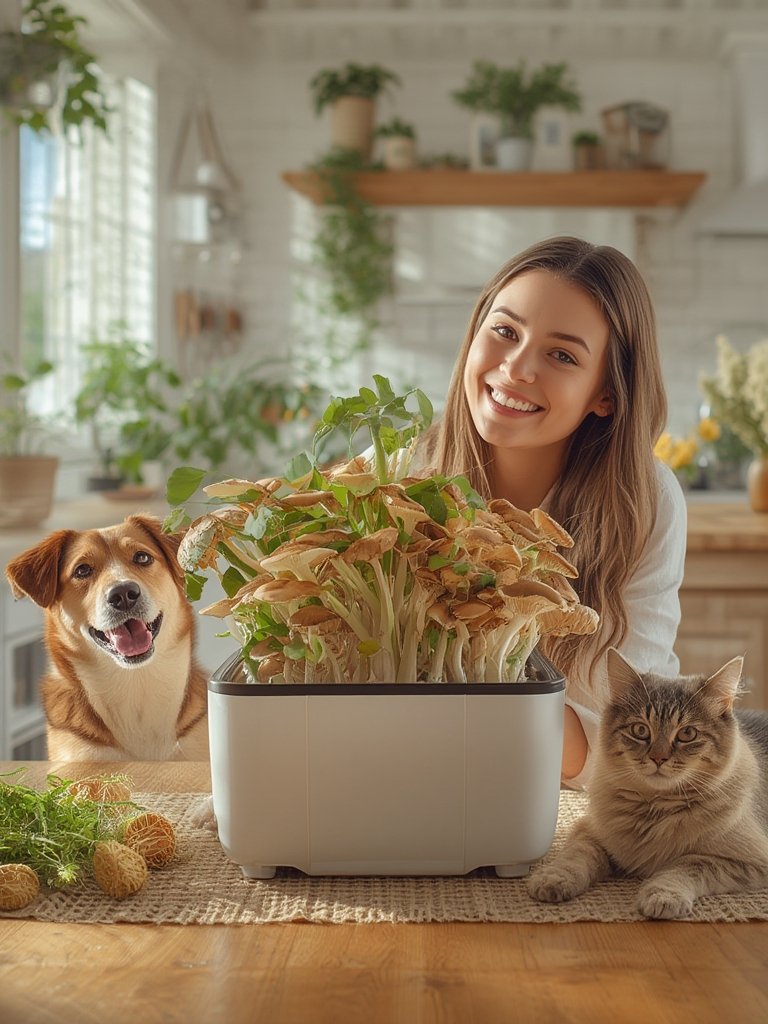
- Keep kits away from trash, pets, and direct sun.
- Disinfect growing surfaces before opening the kit.
- Dispose of any kit that shows black or green fuzzy growth.
For those with pets, consider these easy-care pet product picks that won’t interfere with your growing setup.
Conclusion
Indoor mushroom kits deliver delicious, sustainable results in modern homes — but the best experience comes from realistic planning around space, care, and daily maintenance. Understanding humidity, temperature, and proactive hygiene will help you sidestep common issues and boost your enjoyment. With the right approach, a mushroom growing kit indoor isn’t just a wellness trend — it’s a reliable way to produce flavor-packed food year-round.
Ready to start your home mushroom project? Research your options, compare kit varieties, and follow these actionable steps for a satisfying harvest. Experiment, learn, and enjoy a small-batch crop right from your living room.
FAQ
Which type of mushroom kit is best for first-time indoor growers?
Oyster mushroom kits are usually the easiest for beginners. They are more forgiving of humidity or temperature fluctuations than gourmet varieties like shiitake or lion’s mane.
How much yield can I expect from a typical indoor mushroom growing kit?
Most kits yield 1–1.5kg total over 2–3 flushes (harvests), but the first-time yield may be as low as 200–400g if conditions are not ideal or misting is missed.
What are the common signs of contamination in an indoor mushroom kit?
Signs include green or black fuzzy patches, sour or musty odors, and stunted or slimy mushroom growth. Always discard contaminated kits promptly.
Can I reuse the substrate from my mushroom growing kit?
Most home kits are designed for 2–3 cycles only. After the final flush, the substrate is depleted and best composted or disposed of.
Are indoor mushroom kits safe for homes with pets or small children?
Yes, but place kits out of reach and away from food prep surfaces. Some mushroom spores or substrate may provoke mild allergies in sensitive individuals, so monitor family members’ responses.