
### Blog Post:
Native pollinator garden projects have become a practical way for North Americans to restore bee and butterfly populations right in their own backyards. But designing a region-appropriate garden that truly supports local pollinators all season long is much more than scattering wildflower seeds.
Key Takeaways
- Choosing region-specific native plants with staggered bloom periods is vital for a successful native pollinator garden.
- Most homeowners underestimate the importance of prep work, ongoing maintenance, and the threat of pesticides.
- Conservation groups like the U.S. Fish & Wildlife Service and Xerces Society offer trusted lists and resources for sourcing native seeds and plants.
- The Core Concept of a Native Pollinator Garden
- Step-by-Step Guide to Building Your Garden
- Advanced Analysis & Common Pitfalls
- Conclusion
- FAQ
The Core Concept of a Native Pollinator Garden
A native pollinator garden is an intentional planting of flowers, shrubs, and grasses that are indigenous to your region, selected to provide a year-round food supply and habitat for bees, butterflies, and other beneficial insects. The key is to mimic local ecosystems so pollinators easily recognize and use the resources, resulting in increased biodiversity, healthier landscapes, and improved pollination for food crops and native plants nearby.
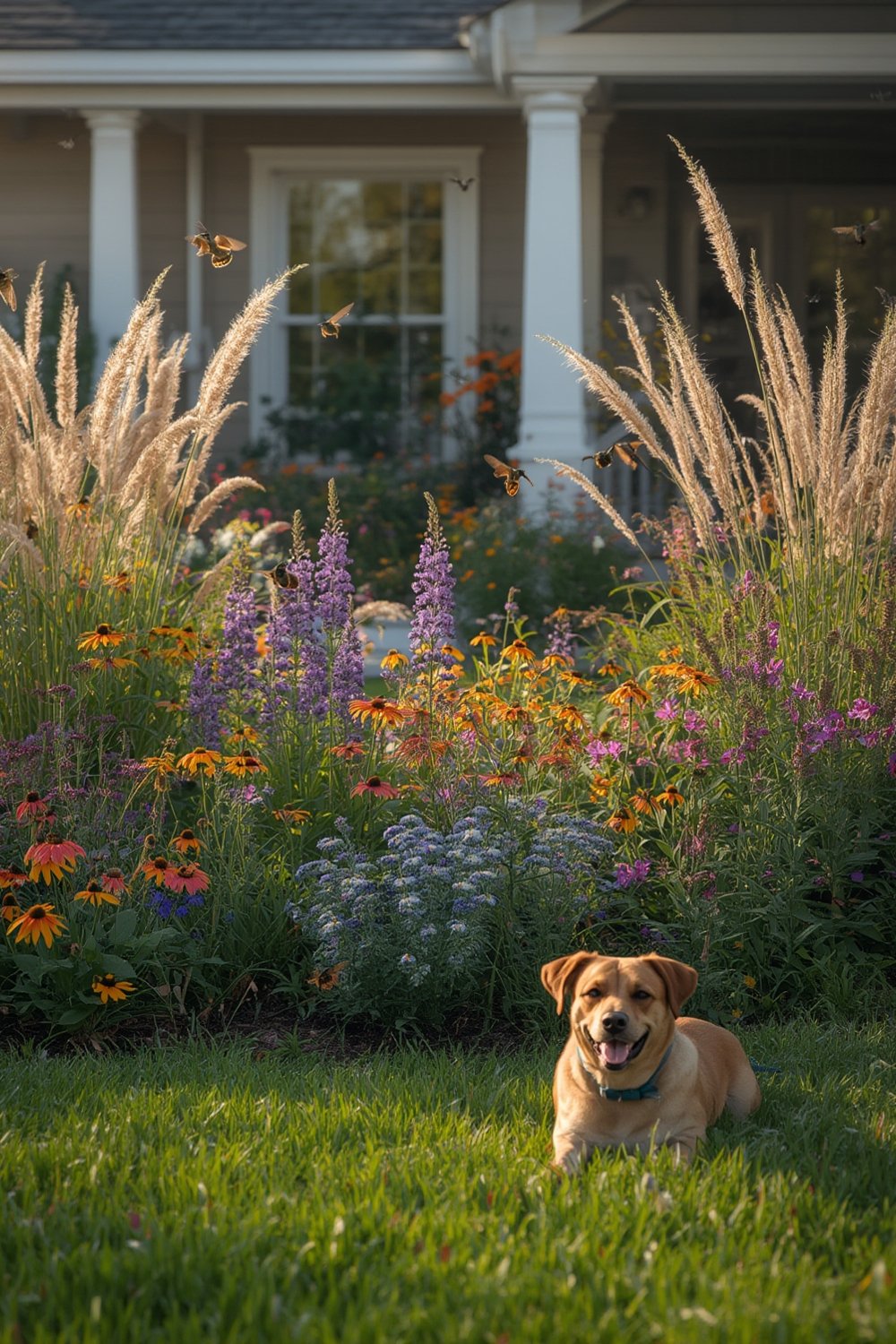
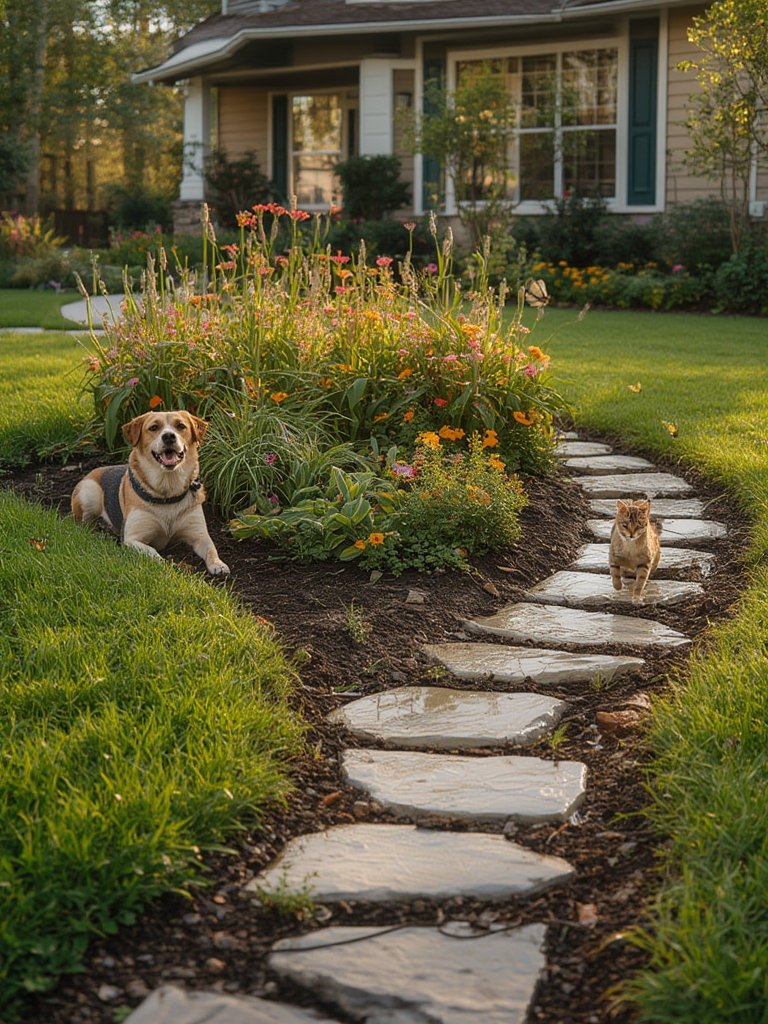
Unlike standard flower beds, native pollinator gardens are carefully mapped with consideration of bloom calendar, host plant needs for butterfly larvae, and layered structure. Choosing only region-appropriate natives also reduces maintenance, as these species thrive with less water and fertilizer once established. Importantly, this method supports not just charismatic pollinators like monarchs or honeybees, but a wide host of specialist native bees threatened by habitat loss.
Pollinator gardens have grown in popularity as more people understand the impact of pesticide use and climate unpredictability on insect populations. But successful gardens require thoughtful planning—especially choosing the right plants for your location and arranging them to ensure nectar and pollen are always available. Resources like the U.S. Fish & Wildlife Service’s plant lists and the Xerces Society’s regional guides can help you avoid costly planning mistakes.
Step-by-Step Guide to Building Your Garden
-
Assess Your Site and Region
- Determine your USDA hardiness zone and sun exposure.
- Check soil type and moisture—native species adapt well but some local knowledge helps.
-
Research Region-Specific Plant Lists
- Use resources from U.S. Fish & Wildlife Service, Xerces Society, and local extensions for up-to-date native and bee-friendly species.
- Prioritize continuous bloom—aim for at least 3-4 species in flower at any time from early spring through autumn.
- For example, Pacific gardeners can plant wax currant, redflower currant, Oregon grape, culminating in fall bloomers like Indian blanket and Rocky Mountain bee plant.
- In the Midwest, stagger wild geranium, blue wild indigo, coneflower, and golden Alexander. (See USDA region lists.)
-
Source Seeds or Plants from Reputable Local Suppliers
- Buy from nurseries prioritizing regionally collected seed—avoid “wildflower mixes” with non-native or invasive varieties.
- Check recommendations from the Pollinator Partnership guides.
-
Prepare the Site
- Remove sod or existing weeds by hand or sheet mulching—herbicides kill pollinators.
- Consider integrating your pollinator bed into a rain garden design for layered ecosystem benefits.
-
Plant Thoughtfully
- Arrange flowers in clumps of the same species (minimum of 3) to help pollinators find resources efficiently.
- Include host plants for caterpillars, not just nectar plants for adults.
- Diversify structure: Include grasses, ground cover, small shrubs, and taller perennials.
-
Water and Monitor
- Water new transplants regularly during their first growing season.
- Mulch lightly with leaf litter, not bark or plastic. This preserves ground-nesting bee habitat.
-
Eliminate Chemical Use
- Do not use insecticides, fungicides, or neonicotinoids. Even small exposures disrupt pollinator populations.
- If you face weed pressure, try dense planting or selective hand weeding—see the lawn and garden products guide for more maintenance ideas.
-
Maintain Over Time
- Expect some weed pressure in early years; devote time to annual spring cleanup.
- Reseeding, overseeding, or introducing new species every 2-3 years keeps the garden robust.
- If dealing with HOA restrictions or tricky site conditions, consider vertical or container-based native planting—see vertical garden wall system for inspiration.
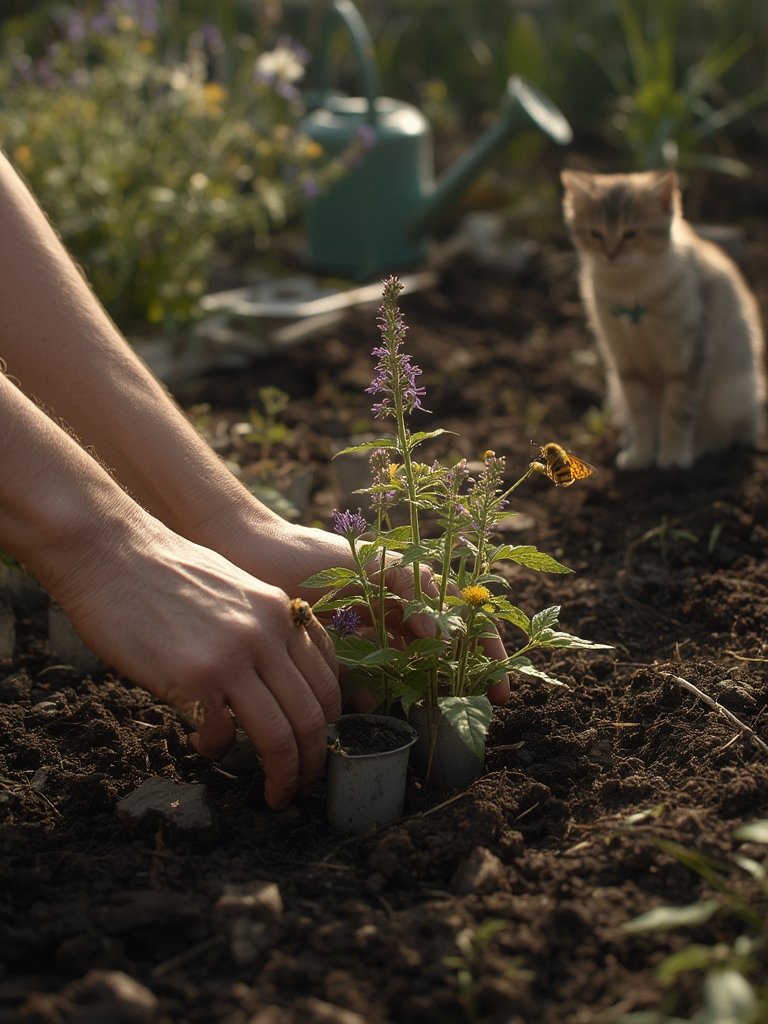
For extra savings, swap seeds with neighbors or join local native plant societies. Many offer free cuttings or host plant sales. And if you’re looking for lasting outdoor style, pair your pollinator patch with durable and stylish furniture for the perfect observation spot.
Finally, don’t forget to monitor which plants attract the most pollinators in your particular yard. Small adjustments can make big improvements over time, especially when adapting to shifts in local climate or rainfall patterns.
Advanced Analysis & Common Pitfalls
Based on the latest research, several oversights and challenges commonly derail well-intentioned pollinator gardeners:
- Planting Non-Natives: Many commercial “wildflower” mixes include non-local seeds that fail to support native pollinators, or worse, become invasive.
- Poor Bloom Continuity: Neglecting the staggered bloom periods leads to critical periods where no flowers are available, starving early or late-season pollinators.
- Pesticide Drift: Even if you avoid chemicals, sprays from neighboring yards or municipal maintenance can harm your insect visitors.
- Lack of Bare Ground: Heavily mulched or sod-covered beds exclude ground-nesting bees, which comprise most native bee species in North America.
- Ignoring Climate Resilience: Droughts or heat waves can devastate gardens with inappropriate species or insufficient diversity.
- HOA and Municipal Barriers: Local guidelines often restrict “untidy” native gardens or tall plant species, requiring advocacy, negotiation, or design tweaks.
| Aspect | Native Pollinator Garden | Conventional Flower Bed |
|---|---|---|
| Plant Origin | Regional natives only | Often non-native hybrids or mixes |
| Maintenance | Lower, once established | Frequent weeding, pruning, & fertilizing |
| Pollinator Value | High, for local insects year-round | Often low; nectar not accessible |
| Resilience | Handles local drought, heat, pests better | More susceptible to weather extremes |
| Typical Cost | Lower after establishment | Higher due to inputs/replacement |
Despite their benefits, native pollinator gardens are sometimes treated as “messier” or less predictable, especially in manicured neighborhoods. Managing expectations, educating neighbors, and maintaining visible edges or paths can allay concerns, while still supporting wildlife. For those with small outdoor spaces or HOA constraints, a vertical pollinator garden or large containers with a mix of locally adapted perennials are clever alternatives.
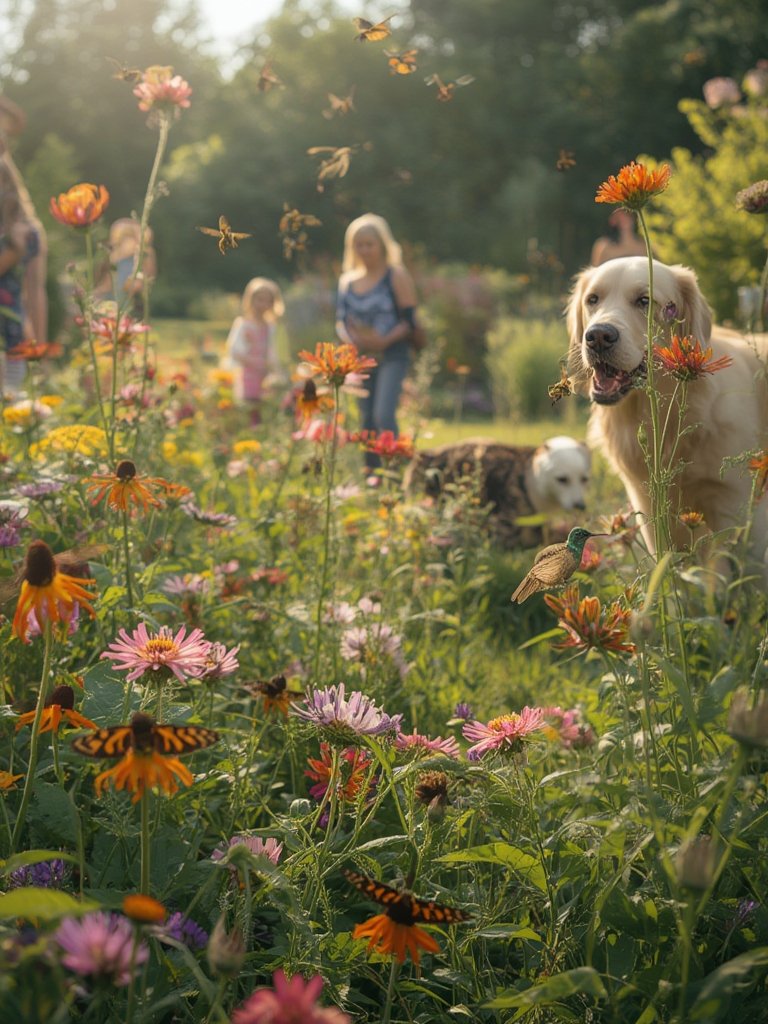
While scientific data directly comparing native to non-native plantings for pollinator abundance is still limited, expert consensus—and real-world results—consistently favor natives for supporting a broader variety and number of pollinators. For updated product reviews and easy care ideas, see top lawn and garden product recommendations.
Conclusion
Designing a healthy, resilient native pollinator garden comes down to matching region-specific plant selections with the lifecycles of local bees and butterflies. Success requires research, commitment, and clear-eyed maintenance, but the benefits for biodiversity—and your own enjoyment—are significant.
Start small, consult reputable resources, and be persistent as your garden evolves and grows. By tailoring plant choices to your region and avoiding pesticides, you help repair pollinator habitats where it matters most. For more tips on DIY landscaping and local sourcing, check out our guide to exploring Lowe’s and local home improvement options.
Ready to transform part of your yard into a thriving ecosystem? Begin with a native pollinator garden—and see firsthand how simple choices can create a living legacy for your neighborhood and beyond.
FAQ
What are the best native plants for pollinator gardens in my region?
The best native pollinator garden plants are different for each region—use resources like the U.S. Fish & Wildlife Service lists or your local extension office to find native species with staggered bloom times.
Will a native pollinator garden look messy or unkempt?
Native gardens can look wild compared to formal flower beds. To balance this, maintain tidy edges, use paths, and group heights for a deliberate look. Vertical garden systems are also a neat solution for small spaces.
Are native pollinator gardens expensive to start?
Costs vary, but starting small and using seeds or swapping with local plant societies can keep costs low. Over time, native gardens need less maintenance and fewer inputs than conventional beds.
What should I do about weeds in my pollinator garden?
Early on, mulch lightly with leaf litter and weed by hand as needed. Dense planting of natives and regular overseeding will crowd out most weeds over time. Avoid herbicides to protect pollinators.
Is it okay to use plants labeled ‘pollinator friendly’ from big box stores?
Be cautious—many “pollinator friendly” plants are non-native or treated with insecticides. Source from nurseries specializing in native plants for your region whenever possible.