

Permeable paver driveway installation is rapidly gaining attention for eco friendly homeowners tackling drainage problems, but how does it actually stack up in cost, durability, and real-world challenges? Here’s exactly what you need to know—no greenwashing or hidden pitfalls—so you can make a smart decision for your property.
Key Takeaways
- Permeable paver driveway costs are higher than traditional options but offer superior drainage and stormwater management.
- Maintenance is straightforward but crucial—neglect leads to clogs and performance loss.
- There are no 2024 regulations mandating permeable driveways, but the environmental benefits are clear and measurable.
- Understanding Permeable Paver Driveways
- Step-by-Step Guide to Installing a Permeable Paver Driveway
- Advanced Analysis & Common Pitfalls
- Conclusion
- Frequently Asked Questions
Understanding Permeable Paver Driveways
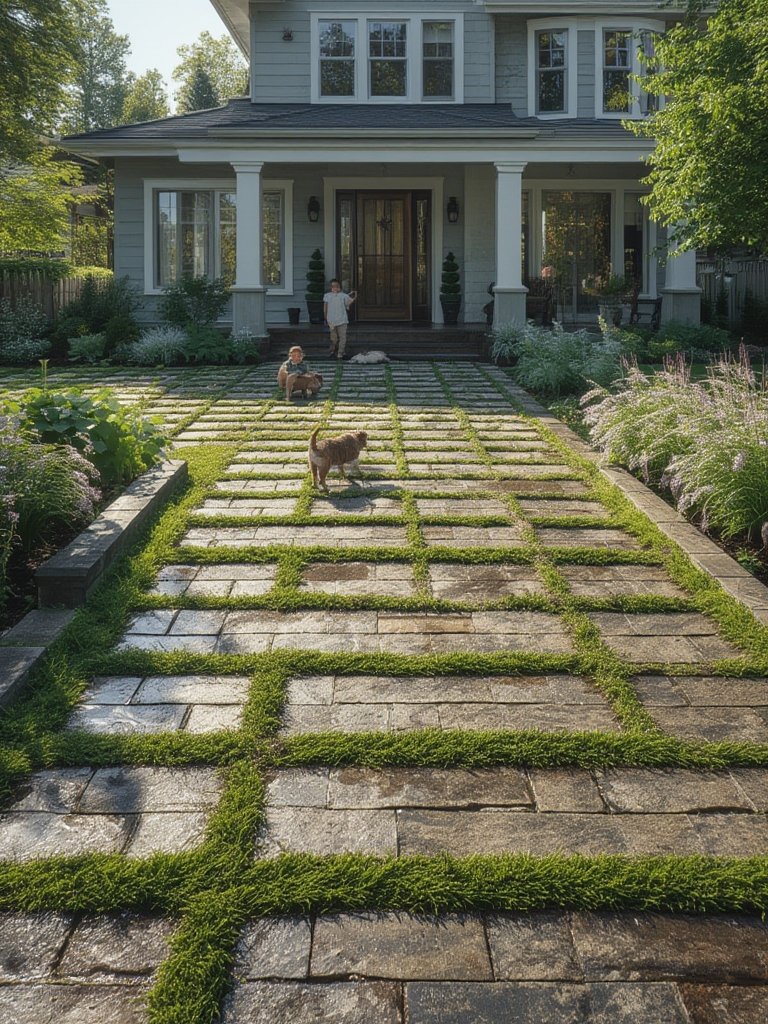
A permeable paver driveway is designed to let rainwater pass through its surface, naturally filtering runoff and reducing puddling or flooding. Unlike traditional concrete or asphalt, permeable pavers are installed with ample joint space and a layered base, so water seeps through instead of running onto the street or into storm drains.

This design helps recharge groundwater, blocks erosion, and lessens the load on municipal stormwater systems. Homeowners looking to reduce their environmental impact, comply with eco landscaping trends, or solve drainage problems are increasingly turning to permeable pavers. If you’re comparing options, it’s important to know that while these systems cost more initially, they often outperform standard asphalt or poured concrete in flood-prone areas.
For those interested in broader backyard makeovers, check out the best lawn and garden products for easy outdoor maintenance—perfect complements for any sustainable driveway project.
Step-by-Step Guide to Installing a Permeable Paver Driveway
Thinking about doing it yourself or hiring a contractor? Here’s a streamlined process, based on what works best for most homeowners:
- Planning and Permits: Determine your driveway size, check for local permit needs, and call before you dig.
- Site Preparation: Remove existing driveway and excavate 12-24 inches. The depth depends on your climate and soil type, affecting drainage.
- Install Base Layers: Lay geotextile fabric to prevent weed growth and migration of base gravel.
- Add Aggregate Base: Use angular, washed stone in progressive layers for strength and filtration. Compact each layer.
- Edge Restraints: Place sturdy Edge Restraints to prevent shifting.
- Lay Pavers: Install permeable pavers according to the manufacturer’s pattern, leaving joints unfilled initially.
- Joint Fill: Brush clean, angular gravel or stone chip into joints—never use sand, as it can wash away and clog drainage over time.
- Final Compaction: Run a Final Compaction over the surface to lock joints and seating. Add more joint material if necessary.
- Inspection & Maintenance Plan: Sweep and inspect twice a year. pressure wash if you notice clogs, and top up joint filler as needed.
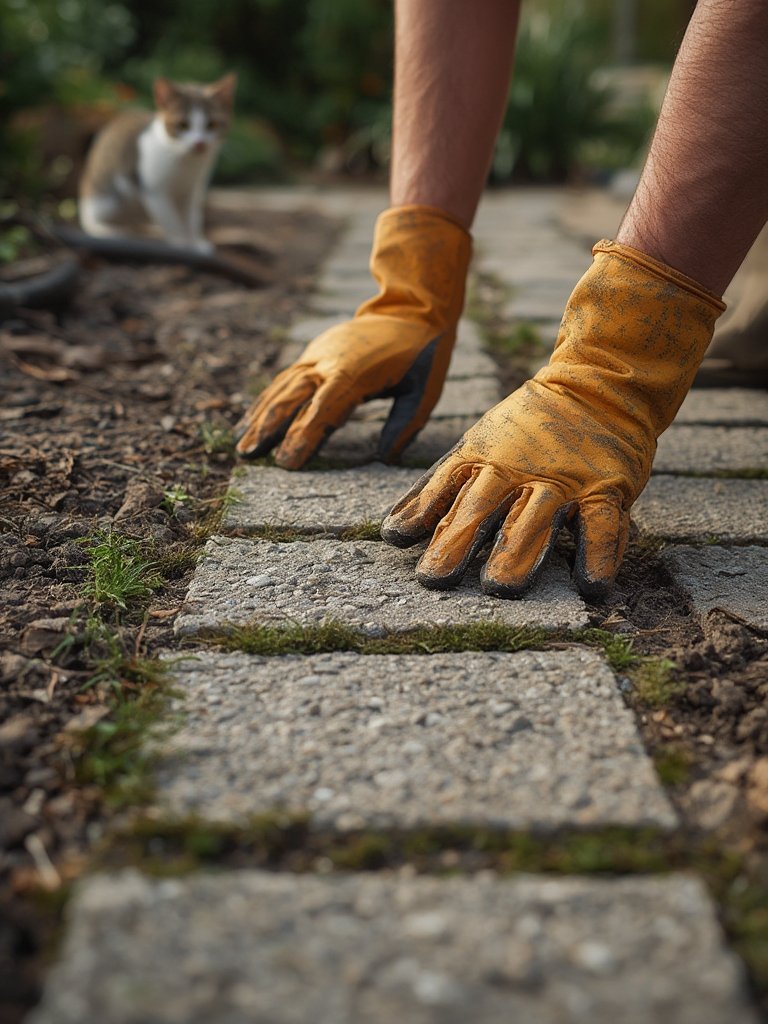
Not sure if DIY is right for you? Sourcing aggregate and pavers from reputable home improvement retailers is crucial for a successful build. See our guide to Lowe’s and local home improvement options for easy material sourcing and tips on getting help. If integrating smart irrigation or new turf alongside your driveway, consider a smart garden automation system for efficient water management.
Advanced Analysis & Common Pitfalls
Permeable paver driveways have undeniable benefits, but they’re not flawless. Let’s break down the top issues and how you can avoid disappointment.
| Driveway Type | Installed Cost (per sq ft) | Drainage Performance | Maintenance Needs | Notable Downsides |
|---|---|---|---|---|
| Permeable Pavers | $10–$30 [1] | Excellent | Annual sweeping, joint refill, pressure wash if clogged | Higher upfront cost, base prep critical; can clog with fines or organic debris |
| Pervious Concrete | $8–$16 [2] | Very good | Pressure washing, occasional patch repairs | Cracks if base or installation is poor, more brittle |
| Porous Asphalt | $7–$13 [3] | Good | Pressure wash, reseal as needed | Softens in high heat, less structural strength for heavy vehicles |
| Grass or Gravel Grid | $3–$12 [2] | Variable, best with well-draining soil | Weed control, topping up gravel or sod | Can shift, rut, or lose grass cover in traffic lanes |
The main threat to permeability is clogging in the joints or base, often from neglecting basic maintenance like sweeping or refilling gaps. Most sources suggest cleaning every six months. No major user-reported failures appear in public reviews, but skipping annual checks can mean settling, pooling, or a slick, weed-filled surface.
No current studies detail the lifetime durability or failure rates for top products. However, regular maintenance—including sweeping, resealing, and joint material refills—is repeated advice from industry leaders. Labor can reach $5–$11 per square foot due to meticulous site prep, another reason budget-conscious DIYers may want to perform phases like excavation and gravel compaction themselves.
If you’re redoing your landscaping, be sure to read up on vertical garden wall systems to maximize green impact alongside your driveway upgrades.
Conclusion
A permeable paver driveway is an effective, environmentally friendly solution for modern homes facing drainage or runoff problems. While installation cost is higher than traditional drives, diligent upkeep yields long-term performance and reliability. No regulatory requirements exist for permeable pavers in 2024, but performance benefits and eco appeal keep demand strong. Ready to act? Invest in a permeable paver driveway with confidence—just be sure to maintain it and use the right materials from the start.
Want more landscape innovation tips? Explore stylish, durable outdoor furniture solutions to complete your project.
Frequently Asked Questions
How much does a permeable paver driveway cost compared to traditional options?
Installed costs for permeable pavers range from $10 to $30 per square foot, often 20-100 percent higher than standard asphalt or concrete. You can expect about $7,500 total for a typical two-car setup. For more details, see TRUEGRID’s breakdown.
What is the average lifespan of permeable paver driveways?
Most manufacturers do not provide firm lifespan guarantees. With annual maintenance, surfaces usually last as long as traditional driveways—often 20–30 years. Neglect can significantly shorten that timeline.
Is maintenance difficult or expensive?
No, but it is consistent. Expect twice-yearly sweeping and periodic pressure washing to prevent debris clogs. Joint stone should be checked and replaced if gaps appear; ignoring upkeep diminishes drainage over time.
Do permeable paver driveways work in cold climates?
Yes, but success depends on correct base depth and well-graded installation. Freeze/thaw cycles demand thicker aggregate beds to prevent heaving and cracking. Always consult local professionals for climate-specific guidance.
Are permeable pavers only suitable for driveways?
No, these systems are frequently used for patios, walkways, and commercial parking lots. See how to integrate them in combination with a mushroom growing kit indoor garden or other sustainable backyard features.

[…] For stormwater management enthusiasts wanting extra efficiency on large driveways or parking zones, learn about the durability and savings of a permeable paver driveway. […]