

### Blog Post:
Rain garden design plans offer a practical blueprint for homeowners looking to manage yard drainage, prevent flooding, and create inviting landscape features that benefit local ecosystems. Whether you face heavy runoff or want to boost curb appeal, getting your design right from the start is crucial for long-term results.
Key Takeaways
- Rain gardens can reduce stormwater runoff, prevent most flooding, and remove up to 90% of pollutants from yard water.
- Poor design or plant selection is the fastest way to end up with dead plants, mosquito issues, or slow drainage.
- Assess your yard’s water flow, choose hardy native plants, and plan for drainage within 12-48 hours for best results.
- What Are Rain Garden Design Plans and Why Do They Matter?
- How to Design and Build a Rain Garden: Step-by-Step
- Common Rain Garden Pitfalls and How to Avoid Them
- Conclusion
- Rain Garden FAQs
What Are Rain Garden Design Plans and Why Do They Matter?
Rain garden design plans are intentional blueprints for placing shallow depressions in your landscape, filled with deep-rooted native plants that collect, filter, and absorb runoff from roofs, driveways, and lawns. Unlike conventional landscaping, they are engineered to alleviate persistent drainage issues and reduce neighborhood flooding.
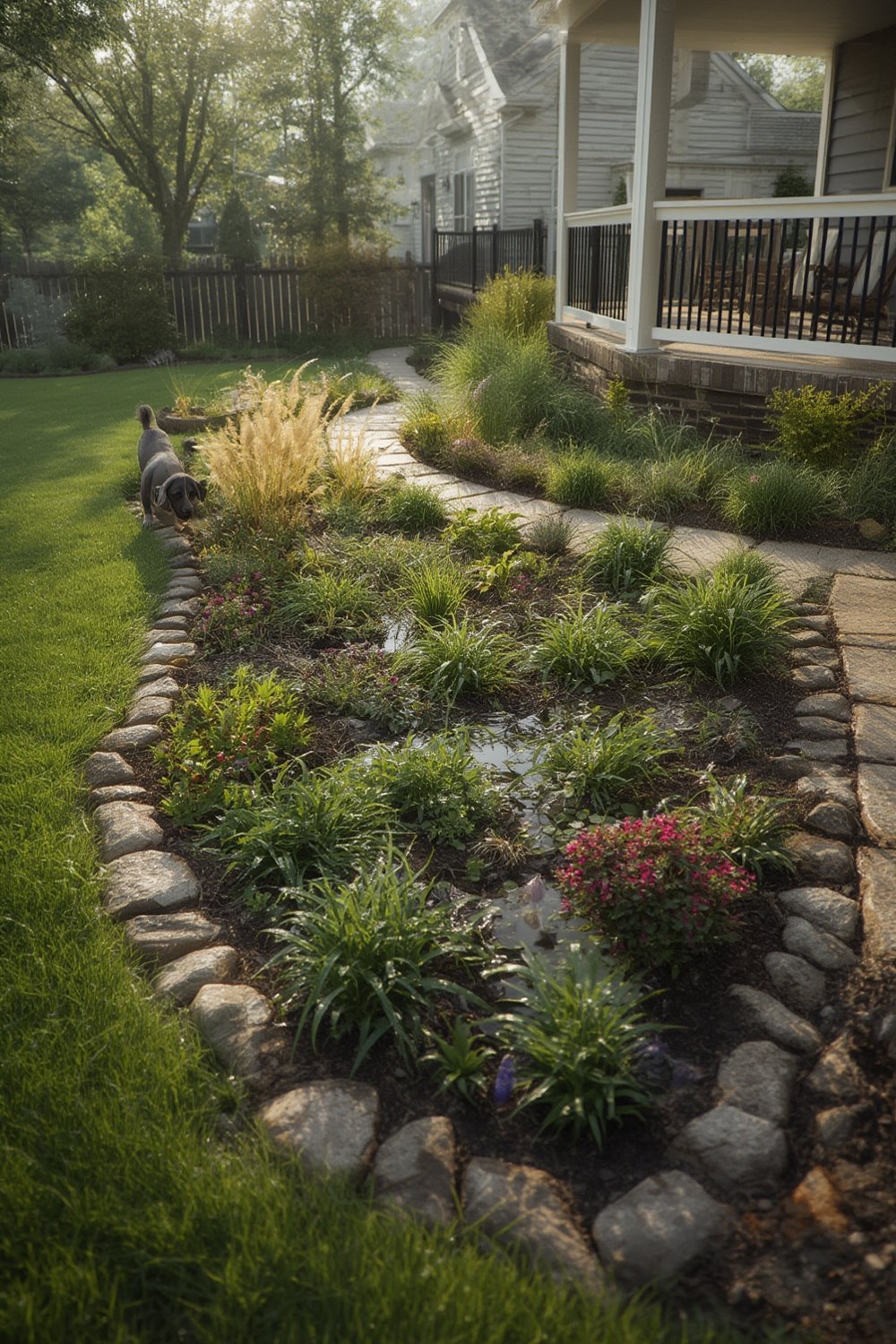
Why invest the effort? Because it works. Modern rain gardens let up to 30% more water infiltrate the ground than regular lawns, filtering out 80% of sediment and up to 90% of nutrients and chemicals before they reach storm drains or streams. According to a 2024 Minnesota homeowner survey, 87.5% saw their drainage problems fixed, 98.2% had gardens that drained in under two days, and over 7 in 10 rated their gardens as successful or highly successful[1][2].
You’ll enjoy improved pollinator habitat, a visually striking yard, and fewer muddy messes after storms. Many homeowners use this approach for front yard makeovers or to direct water away from houses. If you want to explore broader DIY or garden improvements, check out our guide on exploring Lowe’s and local home improvement options.
How to Design and Build a Rain Garden: Step-by-Step
Below is a highly actionable process for crafting reliable, low-maintenance rain garden design plans even if you’re new to landscaping.
- Assess Water Flow and Drainage: Watch your yard during rain. Trace the runoff paths from roofs, downspouts or driveways, and mark how water moves across the site. If unsure, lay out boards or sticks and observe which direction they float.
- Soil Testing: Use a shovel or auger to dig a 12-18 inch deep hole where your garden will be. Fill it with water and time how quickly it drains. Ideally, water should disappear within 12-48 hours. For slow-draining soil, mix in sand and compost for better infiltration.
- Size and Depth Planning: Base your rain garden’s area on the size of your roof or hardscape input—typically 100-300 square feet for small to medium yards. Depths commonly range from 6-12 inches. Always use a gentle slope (about 1-5%) from the inflow side to encourage drainage.
- Choose Native Plants for Zones: Pick varieties with deep roots, grouped by expected moisture: wet zone (center), regular moisture (middle ring), and drier zone (edges). In the Midwest, swamp milkweed, blue flag iris, black-eyed susan, and little bluestem consistently thrive. Densely plant for weed suppression and pollinator appeal—a tip that also applies to successful lawn and garden products for easy outdoor maintenance.
- Excavate and Amend: Remove lawn and dig to your planned depth, creating a gently sloped basin. Amend compacted soils with compost and sand for drainage. Build a level “berm” at the low end of the garden to keep water in temporarily.
- Plant and Mulch: Install your plants in zones, then mulch with 2-3 inches of shredded hardwood to reduce weeds, keep in moisture, and stop erosion.
- Water and Monitor: Water deeply until plants are established. During the first year, weed aggressively and re-mulch as needed. Check after each storm to ensure water is draining within two days and the berm is holding as intended.
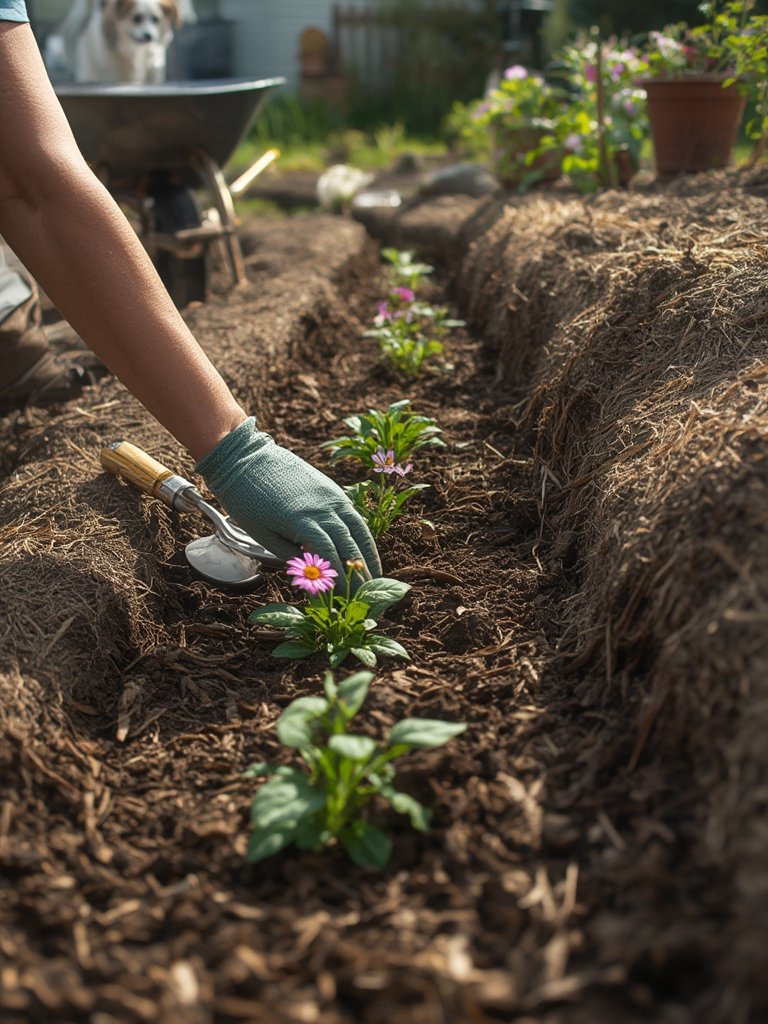
For larger drainage problems or commercial needs, consider bioswales—which function on the same principles as rain gardens, but use larger swales and more robust sod for higher volumes. If you’re upgrading outdoor living areas at the same time, see our inspirations on durable and stylish furniture solutions.
Common Rain Garden Pitfalls and How to Avoid Them
Most failed rain gardens don’t come from materials—they come from missed design basics:
| Pitfall | Result | How to Avoid |
|---|---|---|
| Wrong plant for sunlight/soil | Dead or struggling plants (66.7-100% in failing gardens) | Choose only natives known for your region and exposure |
| Poor drainage (too deep or wrong soil) | Waterlogged or mosquito-prone garden | Test soil and mix in sand/compost; build for 12-48h drainage |
| Not weeding or mulching regularly | Weed overgrowth (up to 50%) and plant crowding | Weed monthly and reapply mulch each year |
| Improper placement (too close to foundation) | Water seepage into basements or crawl spaces | Site at least 10 feet from structures |
| Low plant diversity | Fewer pollinators, increased die-off, less visual interest | Mix at least 7-10 native species for every 100 sq ft |
Owners of older rain gardens (4-17 years) often report declining satisfaction due to maintenance fatigue or missed expectations: these spaces aren’t zero-maintenance, and results may look “messy” for a season as plants fill in. However, gardens with healthy, long-lived native plants exhibit striking biodiversity and require less intervention over time [3]. For those investing in the full yard, consider pairing your rain garden with a vertical garden wall system for a unique look.
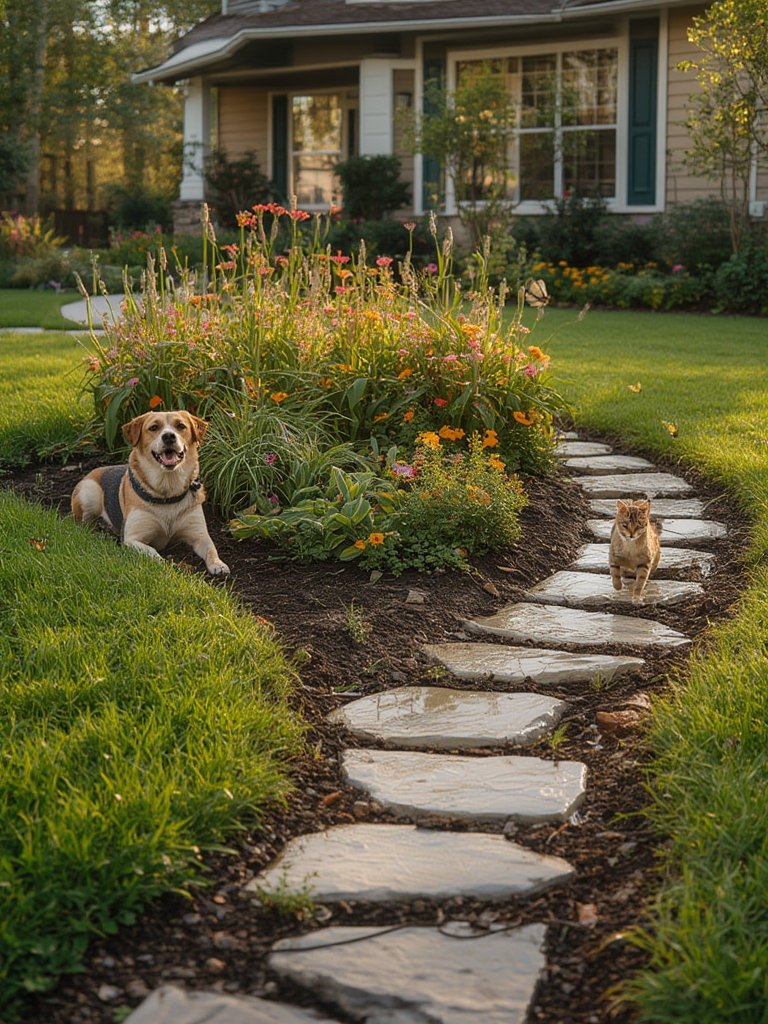
Lastly, despite the popularity of rain gardens, specific cost breakdowns (materials, plants, labor) for 2024 are still varied by region and scope. Material costs are typically on par with basic landscape beds, but professional bioswale installations can add significant expense for grading and larger volumes.
For stormwater management enthusiasts wanting extra efficiency on large driveways or parking zones, learn about the durability and savings of a permeable paver driveway.
Conclusion
Thoughtful rain garden design plans help homeowners battle local flooding, filter pollutants, and create resilient, wildlife-friendly landscapes. Avoid rushing the assessment and planning phase—choose the right spot, test your soil, and pick a diverse mix of hardy plants. Whether you want curb appeal, habitat, or improved drainage, a rain garden will reward you for decades if installed correctly.
Ready to transform your yard? Start sketching your rain garden design plans today—your future self and the local ecosystem will thank you. For even more smart garden systems, see our latest resource on smart garden automation systems.
Rain Garden FAQs
How deep should a rain garden be?
Most residential rain gardens are 6-12 inches deep. The exact depth depends on soil type, the amount of runoff, and desired plantings. Ensure your chosen depth allows for water to drain in 12-48 hours.
What are the best plants for a rain garden?
Choose a mix of native plants with deep roots, such as swamp milkweed, blue flag iris, little bluestem, and black-eyed susan. Plant wet-loving varieties in the center and drought-tolerant plants on the edges for best results.
How far should my rain garden be from my house?
Always site your rain garden at least 10 feet from your home’s foundations or any basement. This ensures water does not seep where it shouldn’t and prevents structural or moisture problems.
Does a rain garden need maintenance?
Yes. Plan for weekly weeding and watering during the first year, as well as annual mulching and seasonal pruning. Over time, maintenance requirements decrease as plants become established.
Can I build a rain garden myself or should I hire a pro?
Most homeowners can tackle simple rain gardens with basic tools and research. Larger or sloped sites, or complex bioswales, may require consultation with a landscape or drainage expert.

[…] and outdoor living, check out our latest reviews and guides, or learn how top pet products or rain garden design plans can complement your improved space. When you’re serious about results, epoxy garage floor coating […]