

### Blog Post:
Smart thermostat energy rebate programs promise lower utility bills and instant upgrades to your home’s comfort, but most U.S. homeowners aren’t sure how to qualify or cash in on these savings. This no-nonsense guide explains how these rebates work, why you should (or shouldn’t) get involved, and how to avoid the most common issues people face on the road to smarter heating and cooling.
Key Takeaways
- Smart thermostats can cut heating and cooling costs by 10–26%, with average annual savings around $140, but results vary widely.
- Roughly one-third of U.S. households qualify for energy rebates on ENERGY STAR smart thermostats, though details and deadlines are inconsistent.
- Biggest obstacles include finding eligible models, understanding compatibility, and dealing with real-world savings that may fall short of expectations.
- How Smart Thermostat Energy Rebates Work
- How to Get a Smart Thermostat Energy Rebate: A Step-by-Step Guide
- Advanced Analysis & Common Pitfalls
- Conclusion
- Frequently Asked Questions
How Smart Thermostat Energy Rebates Work
Smart thermostat energy rebate programs are financial incentives offered by utility companies and government agencies to encourage homeowners to install qualified smart thermostats. By automating temperature schedules and maximizing HVAC efficiency, these devices can cut your energy bills and reduce demand on the grid. In return, utilities offer partial refunds or even free thermostats—if you meet their specific requirements.
On average, homes with smart thermostats save 10–26% on heating and cooling costs. Honeywell Home studies showed 8–16% reductions for T5 and T6 models. Ecobee users reported up to 26% savings compared to holding a steady temperature, while Nest users saw 12% heating and 15% cooling cuts. Typical savings hover around $140 per year, though real outcomes depend heavily on home size, insulation, HVAC system, and how well you use the scheduling features. Learn more about typical energy savings here.
Roughly one-third of American households are eligible for rebates, but the programs and details vary by region, utility, and device eligibility. The process usually involves choosing a qualifying ENERGY STAR thermostat, applying through your utility or state program, submitting proof of purchase, and sometimes agreeing to participate in “demand response” events. You can find more about ENERGY STAR’s certified thermostats on their official page.
Still, getting the rebate isn’t always simple. Deadlines change, eligibility is inconsistent, and many people don’t maximize their savings due to compatibility or comfort trade-offs. But with a clear plan, significant savings are within reach.
How to Get a Smart Thermostat Energy Rebate: A Step-by-Step Guide
Securing a smart thermostat energy rebate is usually straightforward if you know what to expect. Here’s how to navigate the process from research to reward:
- Check eligibility. Visit your local utility’s rebate portal or ENERGY STAR’s find a rebate tool. Enter your ZIP code, utility, and fuel type to see if your home qualifies. Note that around one-third of U.S. households can access rebates, but details change frequently.
- Compare thermostats. Identify approved smart thermostats—usually Nest, Ecobee, Honeywell, Sensi, or models with ENERGY STAR labels. Double-check that your HVAC system (single-stage, multi-stage, heat pump, etc.) matches the thermostat’s compatibility specs. You might find detailed installation guidance in our How to Connect Smart Devices to WiFi article.
- Apply or claim instant rebates. Some rebates are instant at checkout (in-store or online), while others require you to buy first and then mail in or upload a receipt. Save all proof of purchase and serial numbers. Keep track of key application deadlines, especially for state programs.
- Install and enroll. Many utilities require you to enroll the device in a demand response program. This may mean letting them adjust your HVAC during “peak” demand windows. Don’t skip this step, or your rebate could be clawed back. For more installation help, see our Best Smart Home Upgrades guide.
- Submit paperwork and monitor. Complete any paperwork promptly. Confirm your rebate is processing, and monitor your utility statement for savings. With luck—and good scheduling—you’ll see $140+ back within the first year.
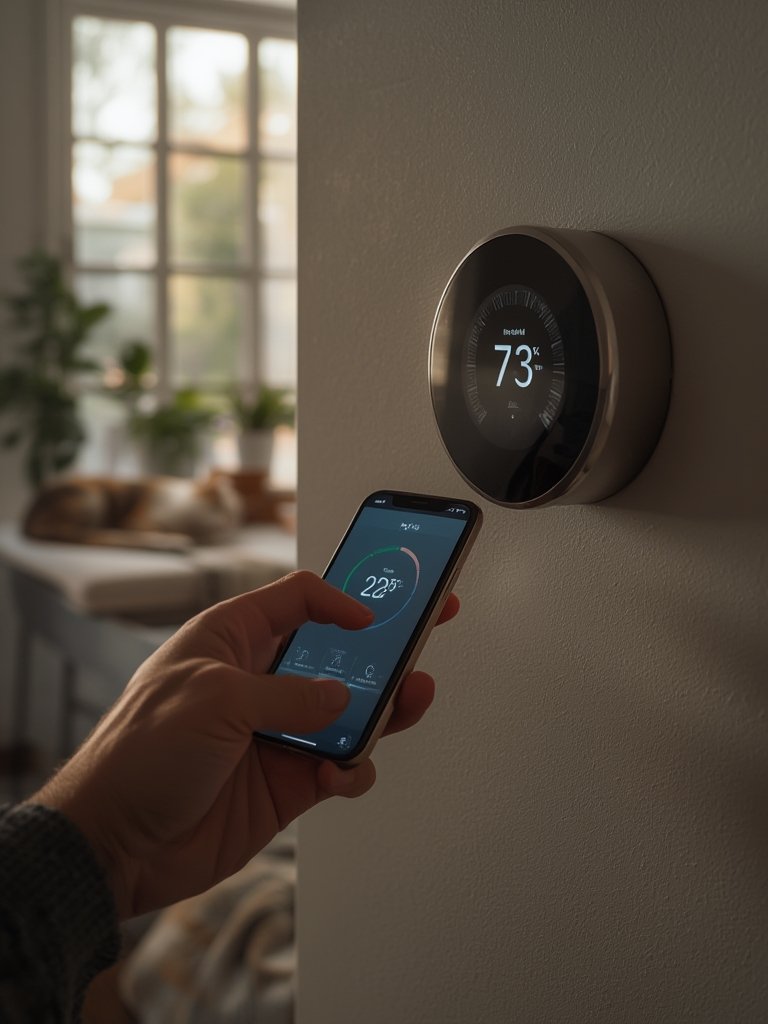
You can maximize your savings by using advanced scheduling and energy reports. Many modern smart thermostats offer integrations with Alexa, Google Assistant, or energy-saving home automation. For further strategies on making your home energy efficient, check out our Smart Energy Saving Tips and Eco-Friendly Home Checklist.
Advanced Analysis & Common Pitfalls
Smart thermostat rebate programs sound simple, but they come with a host of real-world complications that deserve attention before you commit.
Biggest Pitfalls and Limitations
| Potential Pitfall | What to Watch For | Actionable Advice |
|---|---|---|
| Device and HVAC incompatibility | Old wiring, heat pumps, and zoned systems may not work with newer smart thermostats, limiting savings and voiding rebates. | Have an HVAC professional assess your compatibility, or use manufacturer compatibility checkers before you buy. |
| Overstated savings estimates | 10–26% savings is an average range—older, less insulated homes or inconsistent use can slash real benefits. | Check real case studies; set realistic goals based on your home’s size, structure, and regional climate. |
| Missed deadlines or incomplete applications | Many rebates expire quickly or require precise paperwork and participation in demand response events. | Set reminders for submission deadlines, and read every step in your utility’s instructions. |
| Privacy and comfort trade-offs | Enrolling in demand response often means utility control over your home’s temperature at peak times. Not everyone is comfortable with this. | Review program terms carefully; opt out if you value personal control over minor energy savings. |
| Lack of program transparency | Exact rebate amounts, eligible models, and expiration dates are often not published upfront. | Call your utility or use ENERGY STAR’s tools before making any purchase. Keep documentation of your communication. |
In-Depth Subtopics Most Blogs Ignore
- Compatibility with different HVAC systems: Not all equipment supports smart thermostat automation. Variable-speed systems, older furnaces, and specialized zoning setups may yield uneven results or need professional installation. Details on compatibility are covered in depth in our Does a Smart Thermostat Work With My HVAC? guide.
- Long-term ownership costs: While upfront cost is usually offset within a year or two (given typical annual savings estimates), ENERGY STAR metrics may not fit every scenario. Some owners need routine battery changes, firmware updates, or troubleshooting help post-rebate.
- Integration with advanced home automation: Newer models like the Nest Learning Thermostat support “energy shift,” moving use to lower-cost or greener supply windows. WiFi thermostats integrate with broader smart home ecosystems, unlocking extra efficiency beyond basic scheduling. Our Top Smart Home Automation Ideas post covers this further.
What Does the Real-World Evidence Say?
Field data from Nest, Honeywell, Ecobee, and Sensi all support ongoing savings for schedule-based use, and there is strong evidence for overall household electricity reductions. However, there are no public long-term case studies documenting how rebates specifically affect bills over time. Georgia Tech’s study confirmed that left to their own algorithms, smart thermostats broadly reduce energy use—even if not all savings come from rebates.

Bottom line: For the right home and HVAC system, smart thermostat energy rebate programs deliver quick payback and a lighter energy footprint—but only if you read the fine print and have realistic expectations.
Conclusion
Smart thermostat energy rebate incentives help Americans cut energy bills while making their homes more comfortable and efficient. With the right research and preparation, you can join the thousands of households already saving 10–26% on climate control each year. Always confirm eligibility, choose a compatible thermostat, and follow submission rules to maximize your payout—and your comfort. For more step-by-step guidance and expert tips, explore our full library, and take the first step by checking if your utility offers a smart thermostat energy rebate today.
Take action: Visit ENERGY STAR’s official rebate finder or call your energy provider for details on available offers in your region. Ready to maximize your home’s savings? Start investigating eligible thermostats and rebate options now.
Frequently Asked Questions
How much can I save each year with a smart thermostat energy rebate?
Most studies show average savings around $140 per year, depending on the thermostat, your climate, and how closely you follow energy-saving schedules. Some users report lower savings, while others with optimized systems earn back the purchase price in under 2 years.
Which thermostats qualify for rebates?
Most programs require ENERGY STAR certified thermostats—such as Nest, Ecobee, Honeywell, and Sensi models. Always check your utility’s approved model list before buying, or use ENERGY STAR’s online tools.
Do I need to let my utility control my settings to get the rebate?
Some rebate programs, especially those with the highest payout or “free thermostat” offers, require you to enroll in demand response events. This means your utility may adjust your home’s temperature during energy peaks, though you can usually opt out or override as needed.
What if my HVAC system is too old or incompatible with smart thermostats?
Many older, multi-zone, or heat pump systems need upgrades, professional installation, or may not be rebate-eligible. Double-check manufacturer compatibility (such as with the Sensi’s or Ecobee’s online checkers) or consult an HVAC professional before buying.
When will I receive my rebate payment?
Most rebates are processed within 4–12 weeks of application and confirmation of installation. Make sure to save all documentation and respond quickly to any utility requests for more information to keep your payout on track.