

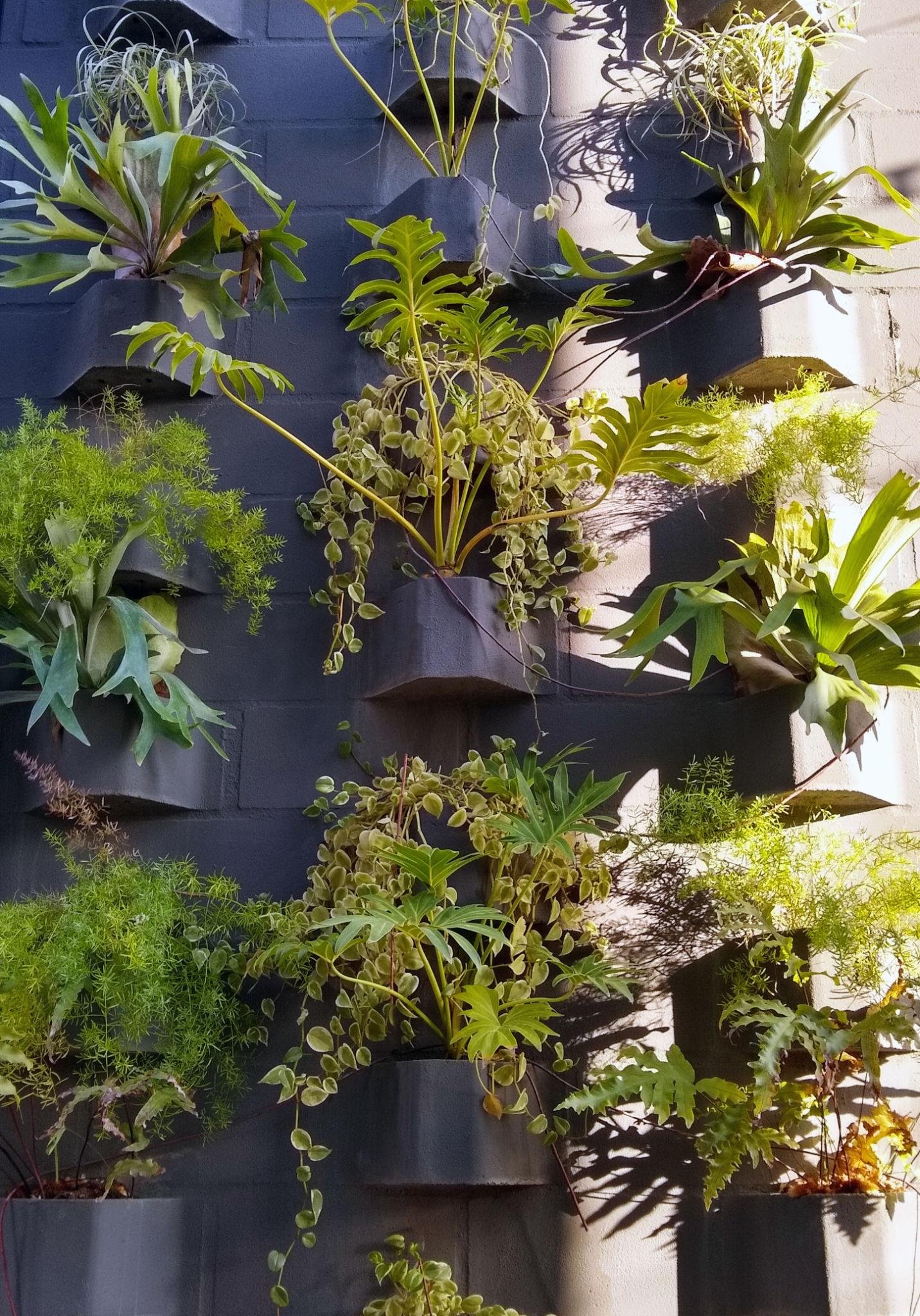
Vertical garden wall system installations are rapidly becoming the smart solution for urban apartments and small homes, adding fresh greenery with minimal sacrifice of living space. These systems are more than a trend: they are a revolution in modern interior gardening, offering style, sustainability, and productivity in tight quarters.
Key Takeaways
- By 2024, over 4.3 million square meters of vertical garden wall systems were installed in residential projects worldwide, with indoor walls leading market growth.
- Modular designs and smart irrigation are transforming ease of installation and water efficiency, but real-world challenges include DIY complexity and pest management.
- Air quality and well-being see notable improvements with indoor vertical gardens, though impacts on apartment resale value remain unclear.
- The Core Concept: What Is a Vertical Garden Wall System and Why It Matters
- Step-by-Step Guide: Building Your Vertical Garden Wall System
- Advanced Analysis & Common Pitfalls in Indoor Wall Planter Systems
- Conclusion: Should You Invest in a Vertical Garden Wall System?
- FAQ
The Core Concept: What Is a Vertical Garden Wall System and Why It Matters
A vertical garden wall system is a modular, wall-mounted assembly that enables you to grow real plants vertically in any indoor or outdoor environment. These systems can be as simple as stacked planters or as advanced as hydroponic modules with automatic irrigation, all designed to maximize greenspace where horizontal area is limited.
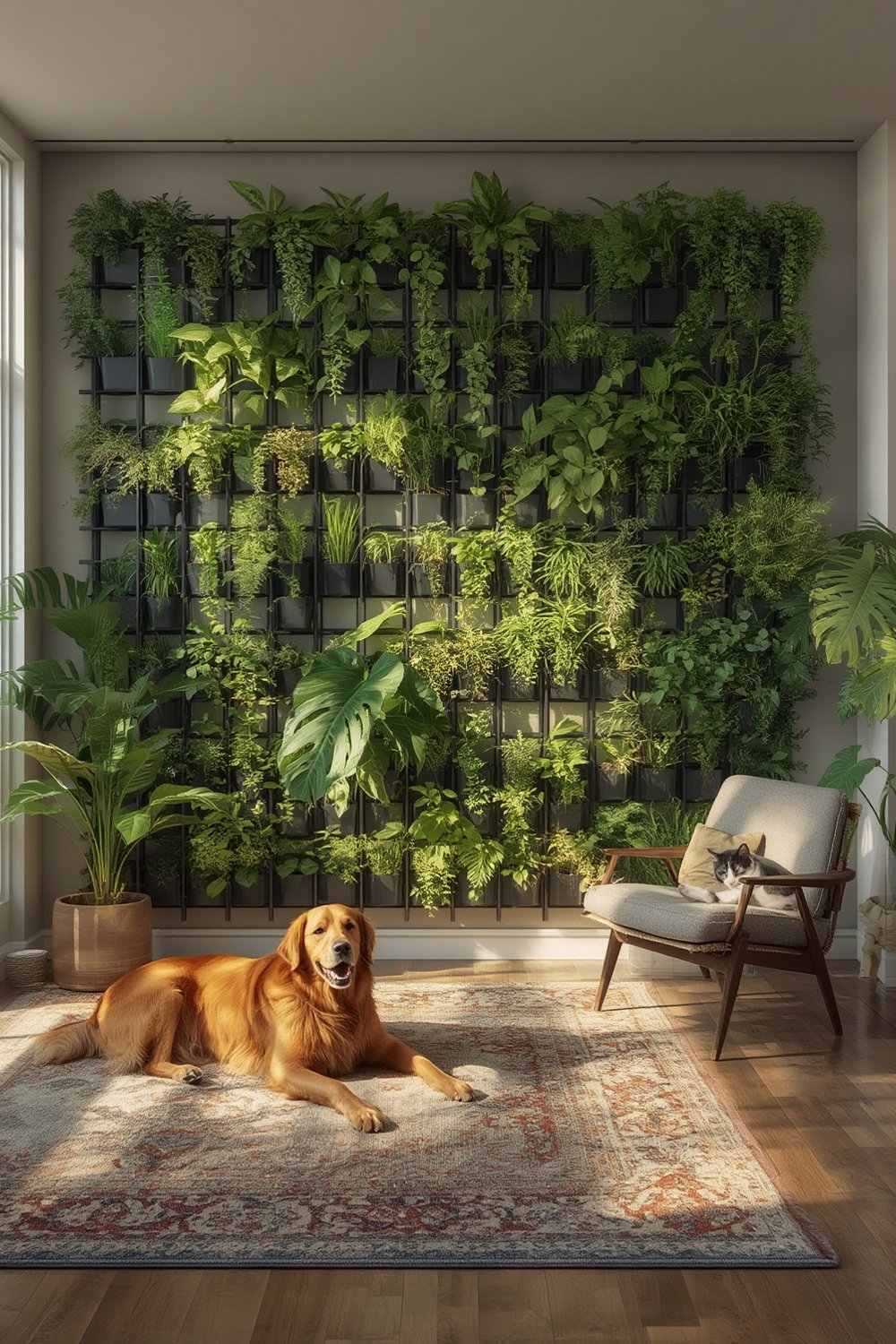
Interest in vertical garden wall systems is surging. The global market was valued at USD 1.3 billion in 2024 and is projected to surpass USD 3.04 billion by 2034. Asia Pacific leads adoption, with 75 percent of new urban developments integrating these systems, while over 60 percent of Asia-Pacific high-rises feature living walls. Europe and North America are launching modular and smart-technology options, supporting rapid urban greening in residential spaces.
Most residential users value vertical garden wall systems for:
- Making gardening viable indoors, especially in apartments
- Improving air quality and comfort
- Adding visual interest and a personal touch to plain walls
Green wall systems also respond to contemporary wellness trends and can be seen as a statement of sustainability. Still, before jumping in, it’s vital to know what’s involved in setup, care, and ongoing maintenance. You can find more guidance and options for combining these systems with other lawn and garden products to make home care even simpler.
Step-by-Step Guide: Building Your Vertical Garden Wall System
Ready to bring your apartment wall to life? Here’s how to design, install, and maintain a vertical garden wall system in a small living space.
-
Measure and choose your location.
Pick a spot with appropriate light conditions. Near a window is ideal for herbs and leafy greens. If natural light is limited, select a system with integrated LED grow lights. -
Pick your system type.
Decide between:- Stackable planters (most affordable, easy to move)
- Pocket fabric systems (lightweight, great for renters)
- Modular panels with built-in irrigation (higher-end, low-maintenance)
- Hydroponic or self-watering kits for minimal daily care
Popular brands like EcoWall, Urban Greens, and GreenTech offer plug-and-play modules, often with smart irrigation or hydroponic technology to reduce maintenance.
-
Assess wall strength and mount the frame.
Use heavy-duty anchors if mounting on drywall. Always verify the system’s weight with plants and watered soil included. For small systems, portable or leaning frames may be a safer option. -
Install irrigation, if included.
Connect modules to the water reservoir or hook up smart drip/trickle systems. For manual watering, ensure no leaks that could damage your wall or flooring. Closed-loop hydroponics is an efficient, water-saving choice—reducing use by up to 35 percent. -
Add soil and select plants.
Use lightweight, moisture-retentive potting mixes. Stick to plants recommended for your system: pothos, philodendron, ferns, herbs like basil or mint, or low-light succulents. -
Maintain and monitor.
Check water reservoirs weekly, flush irrigation lines, and monitor plants for pests or wilting. Set reminders for fertilization every 4 to 6 weeks. -
Enjoy and adjust as needed.
Swap out underperforming plants or reposition panels to even out sunlight. Monitor growth and trim regularly to keep your wall both beautiful and healthy.For further automation tips, consider reading about the latest smart garden automation systems to pair with your vertical wall kit.
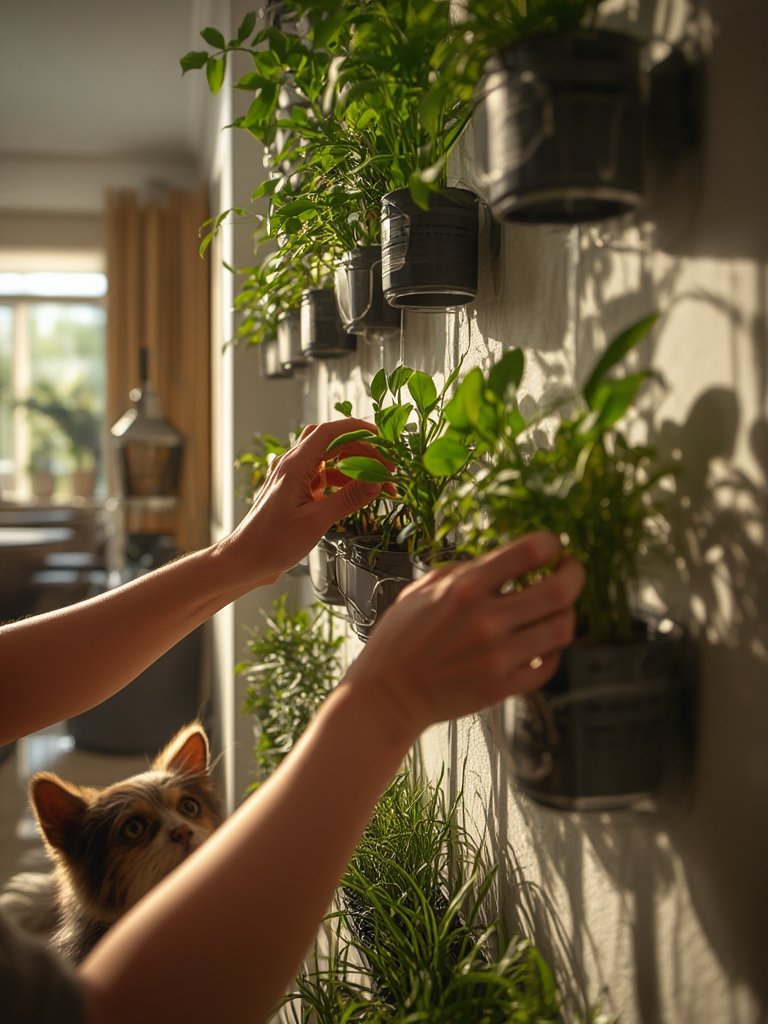
Essentials to budget: While market reports lack exact numbers, most modular indoor starter kits (excluding installation) can range from $80 to $400+, with ongoing costs for water, electricity for LEDs, and periodic plant replacement. Expect professional installation or custom systems to cost more, especially for larger walls or integrated irrigation.
Looking for supplies? You can source planters, LED lights, and irrigation gear at DIY and local home improvement outlets, ensuring easy maintenance year-round.
Advanced Analysis & Common Pitfalls in Indoor Wall Planter Systems
Real-world use of vertical garden wall systems highlights both advantages and hidden challenges. Here’s what the research and practical feedback reveal:
- Installation complexity. Even modular systems can pose setup challenges, especially for renters or those with fragile apartment walls. Heavy plantings may require professional mounting.
- Waterproofing risks. Leaks or spills can damage drywall or floors, particularly if the irrigation or drainage is not well-planned.
- Maintenance learning curve. While smart systems aim to simplify care, users still report occasional issues with failed water pumps, clogged drip lines, or inconsistent moisture—particularly with hydroponics.
- Pest infestations. Indoors, fungal gnats or aphids can multiply quickly in moist environments without prompt intervention. This topic remains under-addressed by most kit suppliers.
- Longevity and plant replacement. Some fast-growing or delicate species require frequent replanting, lowering cost-efficiency over time.
| Feature | Standard Planter Wall | Smart/Modular Wall System |
|---|---|---|
| Installation | Manual, bracket mounting; requires more labor | Tool-free, modular; easier but sometimes higher initial cost |
| Irrigation | Manual watering, risk of overwatering | Smart irrigation, sensors, closed-loop (uses up to 35% less water source) |
| Materials | Ceramic, plastic, wood—can be heavy | Lightweight composites, waterproofing built-in |
| Typical Issues | Mold, pests, wall damage | Electronics failure, sensor calibration, root crowding |
Choosing the right materials and design is key. Modular lightweight systems with smart irrigation—like recent products from GreenTech, EcoWall, and GreenSpace—are dominating the compact living market due to durability and reduced daily maintenance.
Current evidence shows measurable improvements in air quality, mood, and stress reduction with indoor green walls, though peer-reviewed data on resale value is still limited. For further ease of care, see our guide to mushroom growing kits for small homes or combine with durable home furniture to complete your upgrade.
Conclusion: Should You Invest in a Vertical Garden Wall System?
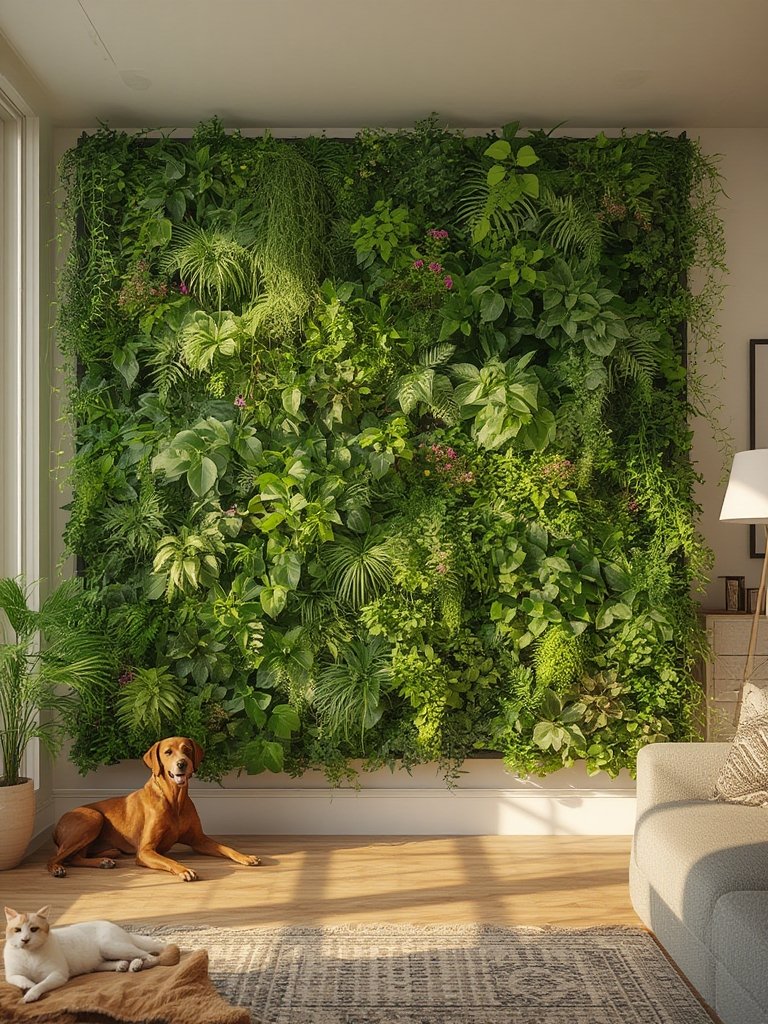
Vertical garden wall system solutions offer apartment dwellers and homeowners a straightforward way to enhance air quality, bring nature indoors, and elevate their living space—especially where floor area is precious. Opt for modular, smart-irrigation-ready kits if ease of use and durability are top priorities. Be realistic about your DIY skills and maintenance commitment, and don’t overlook pest management or wall protection for best results. Ready to get started? Explore your local supply options and take your first step toward a greener, healthier wall garden today.
FAQ
Which plants work best in a vertical garden wall system for low-light apartments?
Best choices are pothos, philodendron, ferns, peace lilies, and certain herbs like mint or parsley. For deep shade, integrate LED grow lights to boost success.
How much weight can an average wall-mounted system support?
This varies by kit and wall type. Lightweight fabric or modular plastic systems may be under 30 pounds per panel (including plants and watered soil). Always check your wall specs before installing heavier modules.
What maintenance is required for indoor vertical garden wall systems?
Routine care includes weekly water checks, pruning, fertilizing every few weeks, and monitoring for pests. Smart kits with self-watering reduce daily effort but may need occasional sensor or pump maintenance.
Do vertical wall gardens improve air quality significantly?
Yes, studies cited in market analyses confirm measurable indoor air improvements and stress reduction, though the effect size depends on wall size and plant species. For deeper dives, consult primary literature or market trend reports.
Are these systems suitable for renters?
Many lightweight or fabric systems are renter-friendly, requiring only temporary hooks or tension rods. For permanent hardware or heavier walls, seek landlord approval before installation.

[…] you’re redoing your landscaping, be sure to read up on vertical garden wall systems to maximize green impact alongside your driveway […]
[…] over time [3]. For those investing in the full yard, consider pairing your rain garden with a vertical garden wall system for a unique […]
[…] you’re exploring advanced garage or garden upgrades, don’t miss our guides on vertical garden wall systems or durable outdoor furniture options to further enhance your […]