

### Blog Post:
Adjustable shelving is the fastest way to reclaim space, tame clutter, and add flexible storage without locking yourself into a permanent layout. Whether you live in an apartment, run a workshop, or manage retail, ignoring adjustability means missing out on today’s best storage strategies.
Key Takeaways
- The global market for adjustable shelving and modular storage is growing fast, driven by demand for space optimization, customization, and flexibility.
- Common pitfalls include confusing load ratings, installation mishaps, and unexpected limits when expanding or rearranging systems.
- Well-designed adjustable shelving saves time, increases usable space, and can be tailored for any room, but requires careful planning and smart setup.
- What Is Adjustable Shelving and Why It Matters
- How to Plan, Choose, and Install Adjustable Shelving
- Advanced Analysis & Common Pitfalls with Adjustable Shelving
- Conclusion
- Frequently Asked Questions
What Is Adjustable Shelving and Why It Matters
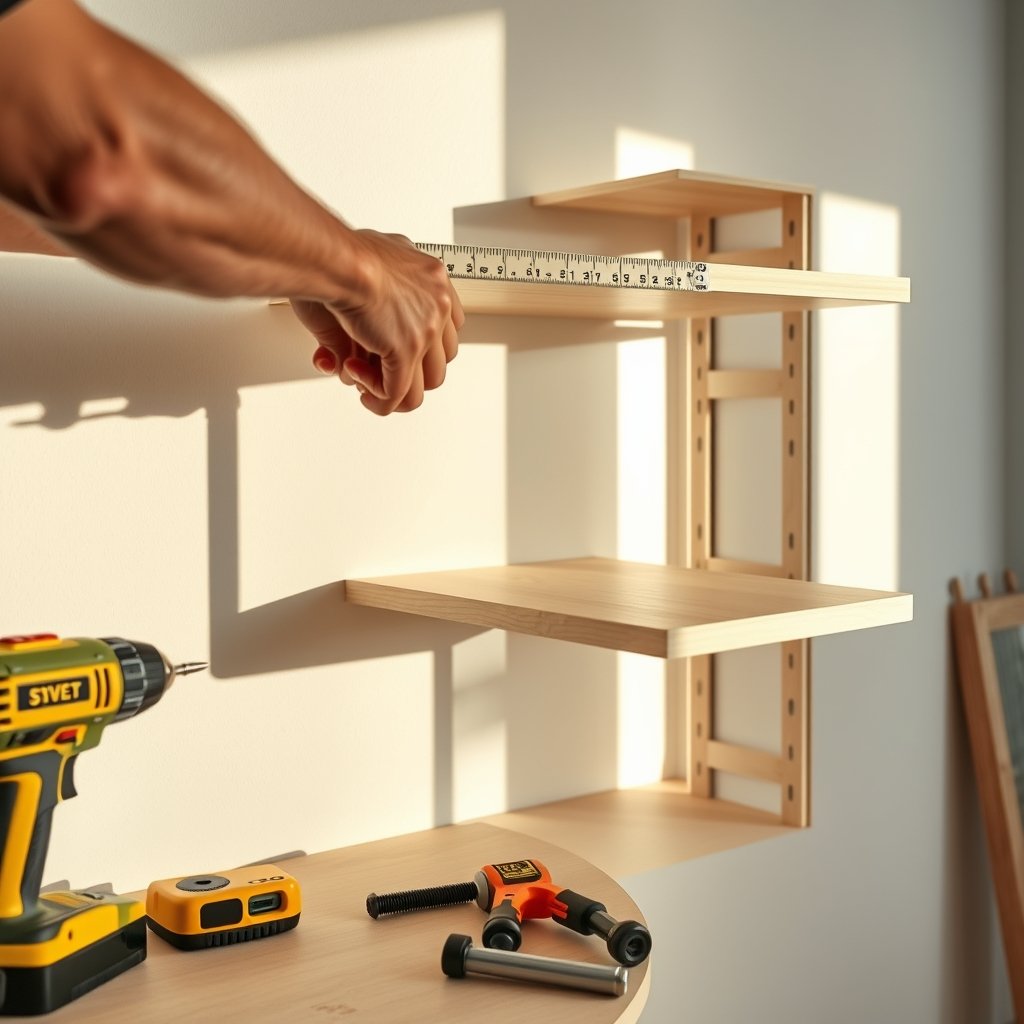
Adjustable shelving refers to storage shelves you can move, reconfigure, or resize to fit your items—even months or years after installation. Most systems use slotted vertical tracks, moveable brackets, or modular panels. Unlike fixed shelving units, adjustable shelves let you experiment and fine-tune your layout as your needs change.

According to recent market reports, the global modular storage market is set to grow from USD 3,323 million in 2024 to USD 4,512.88 million by 2032, spurred by urban living, e-commerce, and a stronger demand for customizable storage. People want shelves they can move, expand, or update, not one-size-fits-all furniture.
Key reasons adjustable shelving has taken off:
- Space efficiency: Make the most of tight spaces, awkward corners, or tall ceilings.
- Future-proofing: As your needs shift (more books, new gear, a growing family), the shelves adapt.
- Personalization: Pick materials and formats that match your taste—metal for garages, wood finishes for living rooms.
From garage storage systems to trendy living room units, adjustable shelving fits almost anywhere. This customization is why smart homeowners and professionals now favor these systems over rigid, old-school shelves.
How to Plan, Choose, and Install Adjustable Shelving
Follow these steps to ensure your adjustable shelving works safely and lasts for years.
-
Measure your space and plan the layout.
Map the height, width, and depth for each shelf. Consider what you’ll store now—and in the future. Leave extra vertical “slots” for tall or odd-sized items. -
Choose the right shelving system.
- If you expect to move or reconfigure often, go modular with rail-and-bracket or slot-track systems.
- For heavy-duty or metal or steel shelves, select metal or steel shelves.
- For living areas, pick wood or composite for visual appeal and quieter operation.
Check for safety or sustainability labels if you need certified materials (e.g., low-VOC coatings or recycled metals).
-
Review load ratings and anchors.
Manufacturers provide a “per shelf” weight limit, but that figure assumes ideal installation. The real limit depends on bracket spacing, wall type, hardware strength, and shelf span.- Shorter spans between brackets = more weight support.
- Wall anchors on drywall hold much less than anchors in studs or masonry.
If you’re storing heavy tools, books, or appliances, beef up hardware or use more frequent support brackets.
-
Install with precision.
Follow instructions step by step. Use a level, secure all brackets, and test with a light load first. When in doubt, hire an installer or get a friend to check your work. -
Customize, expand, and maintain.
The top benefit of adjustable shelving is expandability. Start simple, then add more shelves, expand side-to-side, or rearrange heights as your collection grows.In high-humidity or garage settings, periodic tightening and rust checks help extend life.
If you plan larger upgrades—like adding a modular outdoor kitchen or a greywater recycling system—match shelf design to your long-term layout.
Remember: high initial investment is a market-wide issue for top-tier modular shelving (learn more). Budget accordingly if you want to leave room for future upgrades or reconfigurations.
For small-space living, pairing adjustable shelving with clever solutions like a Murphy bed desk combo makes every square foot count.
Advanced Analysis & Common Pitfalls with Adjustable Shelving
Even the best adjustable shelving can go wrong with rushed planning or sloppy installs. Here’s how problems show up—and how you can avoid them.
Common Adjustable Shelving Pitfalls
- Unclear or misleading load ratings: Most shelves print a “safe load” number, but the real limit can drop sharply if you use poor anchors, wide shelf spans, or mismatched hardware. Always check your wall type and bracket placement.
- Installation headaches: Many negative reviews cite poorly written manuals, missing hardware, or brackets that do not align with studs. Double check all parts and align everything before drilling.
- Unstable mounting: Shelves wobble or pull out when brackets miss studs or anchors aren’t rated for the wall material.
- Expansion constraints: Modular systems need matching connectors and profiles—sometimes discontinued after a few years. Plan for expansion up front and buy extra connectors if available.
- Poor fit and finish: Cheaper units may chip, rust, or warp. Higher-rated shelves use thicker steel, powder coating, or certified wood for durability.
Market research confirms space optimization and tailored storage as industry drivers (source). However, poorly executed systems defeat their own promise—take your time upfront to avoid costly mistakes.
Comparison Table: Adjustable Shelving Features and Pitfalls
| Feature | What Top Shelves Offer | Common Fail Points |
|---|---|---|
| Load Capacity | Up to rated limit with correct hardware and spacing | Low if mounted only in drywall or with cheap anchors |
| Material Quality | Certified hardwood, high-gauge steel, powder finish | Thin chipboard, low-grade metals, paint flaking |
| Adjustability | Slotted tracks, flexible bracket systems | Fixed holes, minimal reconfigurability |
| Expansion | Available matching modules/connectors | Discontinued or incompatible new units |
| Certifications | Safety, weight-tested, sometimes eco-certified | Lack of any documentation or disclosures |
For heavy-duty, high-impact areas like garages, read our full guide on garage storage systems. If you’re designing a space with special needs, compare features and certification like finish durability and weight-test documentation.

Conclusion
Smart use of adjustable shelving upgrades your space, saves time, and adapts as your life or business grows. Take the time to plan, check wall types, use the right hardware, and invest in materials with strong reviews and real certifications. Focusing on load rating, expansion plans, and practical details means your adjustable shelving works for years to come.
Ready to rethink your storage strategy? Review our garage flooring upgrades or explore new ways to combine space-saving furniture. Don’t wait until clutter wins—start configuring your shelves now for a home or workspace that works with you, not against you.
Frequently Asked Questions
How much weight can adjustable shelving support?
It depends on the shelf material, bracket spacing, wall type, and fasteners used. Manufacturers give a “maximum capacity,” but that number assumes perfect installation. For drywall, always anchor into studs or use high-strength wall anchors. Spread heavy loads over more brackets or add intermediate supports for safety.
Can I expand my existing adjustable shelving system later?
Yes, but only if compatible connectors and modules are still available. Some brands discontinue profiles, making expansion difficult. If you plan on adding more in the future, buy extra connectors or rails upfront, or choose an open-standard system with good long-term support.
What tools do I need to install adjustable shelving?
You’ll need a drill, suitable drill bits for your wall type, a level, stud finder (for stud walls), anchors, brackets, tape measure, and a screwdriver. Extra hands are nice for long or heavy shelves. Always read the manual first.
Do adjustable shelves work for garages or damp areas?
Yes—but pick metal or composite shelves with powder-coated finishes for rust resistance. In garages, go for high-capacity, heavy-duty brackets. Check out our full garage storage system guide for more tough-space tips.
How do adjustable shelving systems compare to fixed shelving?
Adjustable systems cost more upfront but make it easy to rearrange, expand, or swap shelf heights as your needs change. Fixed shelves are cheaper and simpler, but rarely fit new uses without major work.