

### Blog Post:
Closet organizer system solutions are transforming everyday home storage, offering customizable ways to declutter, maximize space, and increase property value—without major renovation headaches.
Key Takeaways
- Closet organizer systems boost usable storage, streamline morning routines, and enhance home value.
- Costs depend on closet size, material quality, and whether you DIY or hire a pro—budget options exist for most spaces.
- Modular designs, sustainable materials, and smart features are driving innovation in 2024.
- What Is a Closet Organizer System and Why Does It Matter?
- How to Choose and Install a Closet Organizer System
- Advanced Analysis & Common Pitfalls
- Conclusion
- FAQ
What Is a Closet Organizer System and Why Does It Matter?
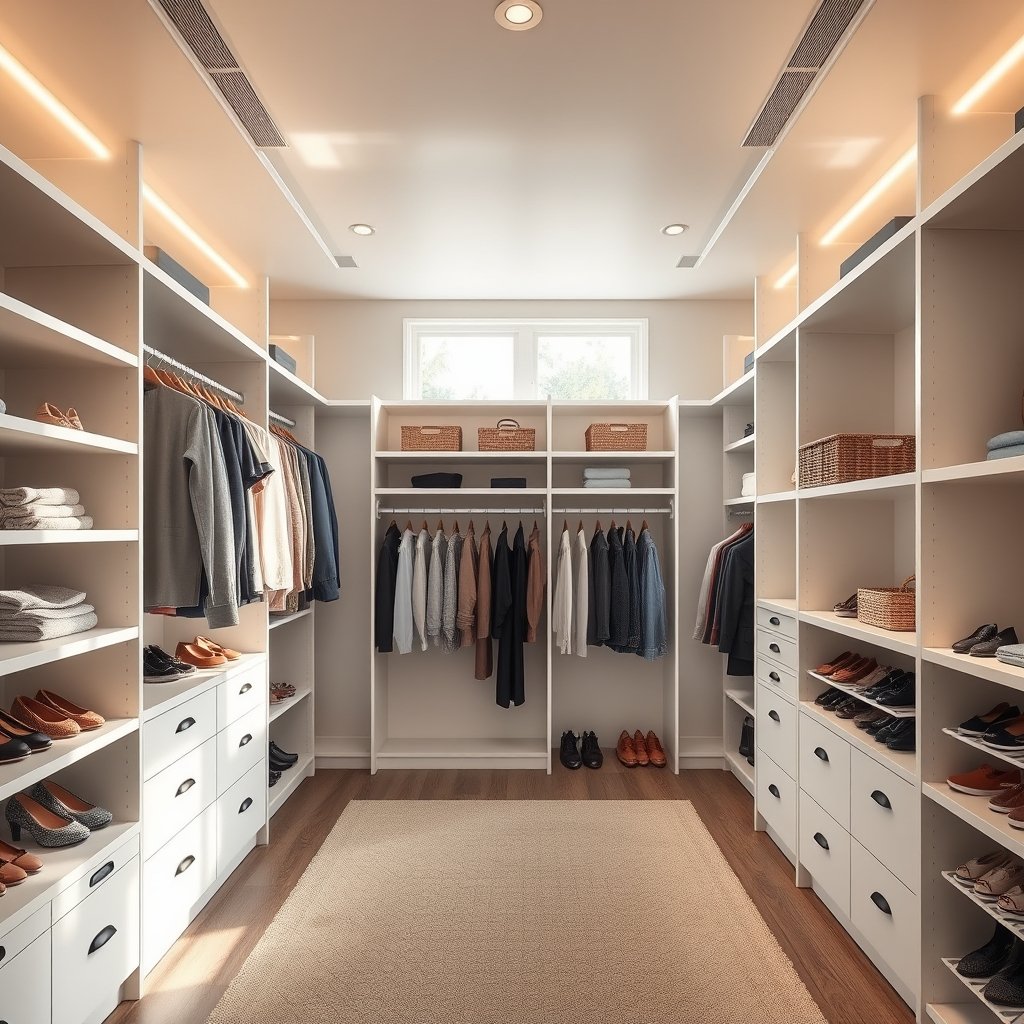
A closet organizer system is a set of modular fixtures—like shelves, rods, drawers, and other storage components—installed in a closet or wardrobe to optimize how clothing and other items are stored and accessed. Unlike simple clothing rods or one-size-fits-all furniture, these systems can be tailored to fit reach-in, walk-in, or specialty closets and come in a range of materials, from affordable wire racks to high-end custom wood cabinetry.
Closet organizer systems solve real-world everyday problems: wasted space, cluttered piles, and the stress of not finding what you need. Studies show that an organized closet can also help increase your home’s resale value. Whether you have a compact reach-in closet or a large walk-in, organizer systems can convert dead zones into usable storage, control chaos, and streamline your morning routine. This is especially relevant in cities where real estate costs are soaring and every inch matters.
How to Choose and Install a Closet Organizer System
Ready to upgrade your closet? Follow these practical steps for choosing and installing a closet organizer system that fits your lifestyle, budget, and available space.
-
Assess Your Space and Needs
Measure your closet’s width, height, and depth. List what you want to store: clothing, shoes, accessories—or even hobby items.- Small closets (up to 6 ft): Prioritize double-hang rods, shoe racks, and shelves. Budget: $800–$1,500 professionally installed or $75–$200 with a DIY wire rack (source).
- Medium closets (6–10 ft): Add drawers, adjustable shelves, or a tall wardrobe tower. Budget: $1,500–$3,000 (source).
- Large or walk-in (10+ ft): Consider island storage, custom shoe displays, and seating. Budget: $3,000–$7,000+ (source).
-
Set a Realistic Budget
Decide if you want to DIY (lower cost, mainly wire or prefab kits) or hire a professional (higher initial cost, high-end finish). Plan for extras like soft-close drawers or smart closet tech if desired. -
Choose Durable Materials
Material Budget Durability Appearance Wire Low Basic, practical Minimalist MDF Mid Customizable, affordable Smooth, painted Laminate Mid Durable, many finishes Modern Solid Wood High Very durable Premium, stylish Laminate and solid wood offer the best long-term durability (source).
-
Decide on DIY or Pro Installation
– DIY: Save money with kits ($75–$600), but expect some measuring and tool use. Prefab systems can take just a few hours to put together; customization is limited.
– Pro: $1,500+ average cost, but allows custom layout, premium finishes, and complex designs.
Durable floor coating tips can further enhance the closet base if you’re DIY-inclined. -
Add Innovative Features
Explore new trends: modular units, electric closet carousels ($800–$2,800), smart LED lighting, or even app-connected inventory systems are available for high-end builds (source). -
Perform Installation
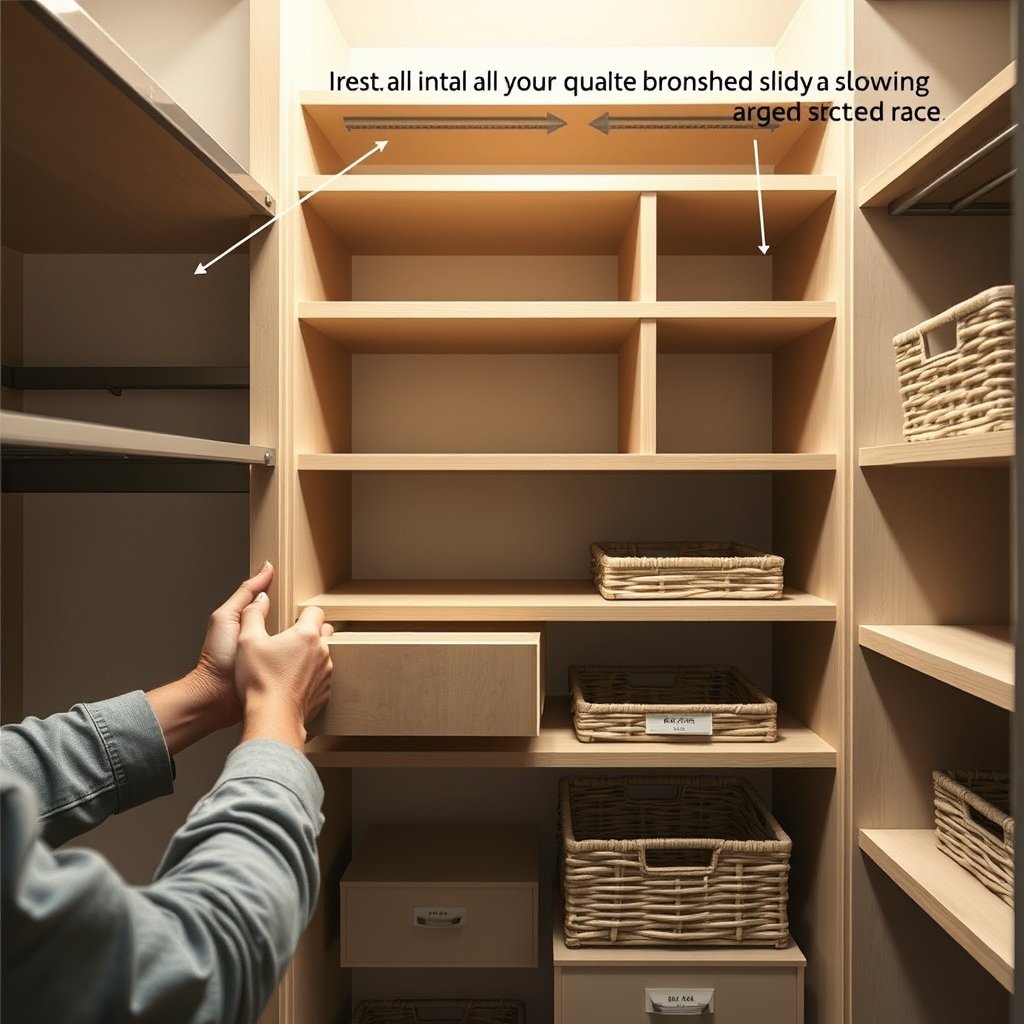
– Gather required tools (typically drill, level, stud finder, screws, anchor points).
– Follow manufacturer’s manual step-by-step.
– Double-check level and stud anchoring for safety.
– If going pro, prepare for some noise and dust—installation can involve heavy drilling and fitting.
Looking to organize your garage too? Let these garage storage solutions inspire you to upgrade every nook in your home.
Advanced Analysis & Common Pitfalls
No system is perfect. Here’s what to watch for, plus real market stats so you’re not blindsided by costs or maintenance issues.
| Closet Type | Price Range (Installed) | Typical Pitfalls | Who Should Avoid |
|---|---|---|---|
| Reach-in | $800–$2,500 | Overcrowded, limited adjustability, poor shoe storage | If you own lots of bulky items or shoes |
| Walk-in | $2,000–$5,500 | High cost, requires room rework, dust-prone open storage | If you rarely use half your closet volume |
| Wardrobe Standalone | $1,200–$3,500 | Awkward fit in small rooms, less flexibility, expensive per item stored | If you have very limited floor area |
| Prefab/Kit | $500–$2,000 | Flimsy hardware, not fully customizable, may not fit wall-to-wall | If longevity and perfect fit matter most |
- Material Mistmatch: Cheaper wire or chipboard systems can warp or rust quickly in humid climates or under heavy use. If you’re storing valuables, invest in laminate or solid wood.
- Outgrowing Your System: Kids’ closets and wardrobes fill up fast. Opt for adjustable or modular layouts you can tweak as needs change.
- DIY Overwhelm: DIY kits are cost-effective but don’t expect a perfect fit, especially in older homes with sloped floors or irregular walls. Prefab systems can leave unsightly gaps.
- Unexpected Expenses: Custom lighting, specialty drawers, or technology upgrades can double costs. Always request a full project quote upfront if hiring out.
- Installation Hazards: Bad installation can cause rod failure, shelf collapse, or wall damage—don’t skip the correct tools and safety steps.
For those with eco priorities, consider browsing eco-friendly project ideas for the rest of your home. Sustainability is an emerging trend in closet design, with ever more manufacturers offering renewable material options (source).
Conclusion
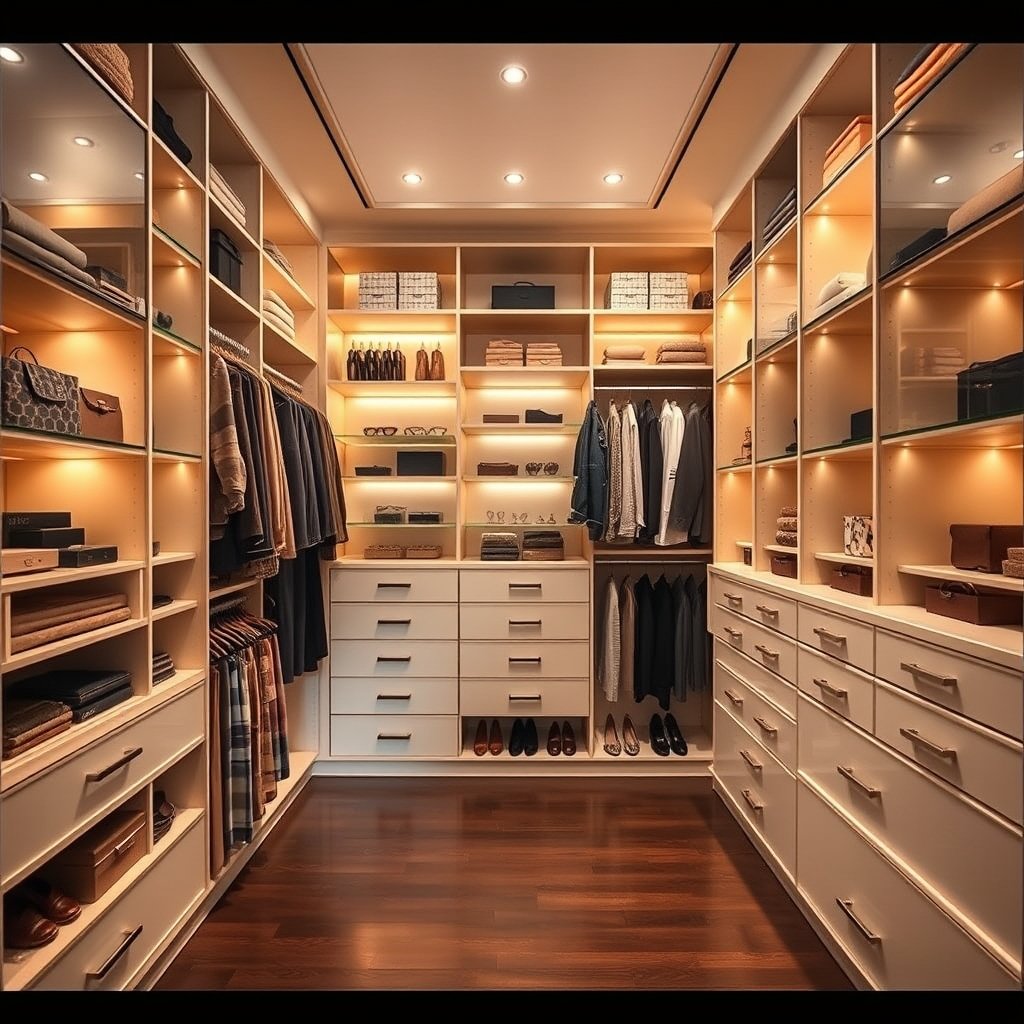
Closet organizer systems allow you to reclaim space and bring real order to daily life, no matter your home’s size or budget. Whether you DIY with a simple wire kit or go all-in with a custom solution, picking the right one for your space means balancing cost, durability, and flexibility. If you’re considering a closet organizer system, start with precise measurements, evaluate how your needs will change, and stay realistic about installation skills or time. Want more ideas for maximizing home efficiency? Compare built-in solutions like a Murphy bed desk combo for small spaces, or explore sustainable upgrades with a greywater recycling system or native pollinator garden. Ready to enjoy the benefits of a well-organized closet? Invest now for streamlined mornings and lasting value.
FAQ
How much does a closet organizer system cost on average?
Most professionally installed closet organizers cost between $1,542 and $1,543, with DIY kits available for $75–$600 depending on materials and size. Custom projects or large walk-ins can reach $7,000 or more.
What’s the most durable material for closet organizers?
Solid wood and high-quality laminate systems offer superior durability and style, but come at a higher cost. MDF and metal are mid-range options, while wire is best for basic, budget-friendly setups.
Is it better to install a closet organizer myself or hire a pro?
If you’re comfortable with basic tools and don’t need a custom fit, DIY can save a lot. For complex layouts or premium materials, professional installers deliver better results (and fewer headaches).
What are some trending features in 2024 closet organizer systems?
Smart solutions, modular/flexible designs, sustainable materials, multi-functional compartments, and even electric closet carousels are trending upgrades in 2024.
Can closet organizer systems increase home value?
Yes, organized and efficient closet systems are a plus for potential buyers, especially in homes with small closets or limited storage.
—