

### Blog Post:
Door draft stopper solutions are one of the simplest and most effective ways to reduce cold air leaks, boost home comfort, and cut energy bills—yet most homeowners overlook them.
Key Takeaways
- Up to 30% of household energy loss can come from poorly sealed doors and windows.
- Door draft stoppers can help save up to 15% on heating and cooling costs when paired with other sealing solutions.
- Besides energy savings, draft stoppers can also improve soundproofing, block pests, and reduce allergens.
- What is a Door Draft Stopper and Why Does It Matter?
- How to Install a Door Draft Stopper (DIY Guide)
- Advanced Analysis and Common Pitfalls
- Conclusion
- Frequently Asked Questions
What is a Door Draft Stopper and Why Does It Matter?
A door draft stopper (sometimes called a door snake or door seal) is a simple device placed along the bottom edge or sides of a door to block gaps. These gaps let in unwanted air, dust, pests, and noise. Over time, these small leaks can add up, causing your HVAC system to work harder and steadily driving up your utility bills.

According to industry sources, up to 30% of energy loss in a typical home can be traced to poorly sealed doors and windows. Proper weatherproofing with products like door draft stoppers is a key step in tightening up your home’s envelope.
By blocking these drafts, you can make your living space more comfortable year-round. You’ll also experience secondary benefits like keeping out dust, blocks bugs, and preventing outside noises from slipping in. Modern stoppers come in many materials—silicone, rubber, foam—and can be found in adhesive, slide-on, or weighted styles, making them suitable for just about any door.
Implementing these simple tools pairs perfectly with other home upgrades—for instance, if you’re considering a DIY garage upgrade or investing in a garage storage solution, sealing doors can be a complementary step to overall efficiency and comfort.
How to Install a Door Draft Stopper (DIY Guide)
Choosing and installing the right door draft stopper is a quick win for your home’s comfort and energy bill. Here’s how to do it yourself:
- Measure the Door: Use a tape measure to determine the width of your door and the size of the gap.
- Select the Stopper: Pick a stopper type based on your needs:
- Adhesive Foam or Silicone for simple, quick installation.
- Rubber Slide-On for durability and ease of removal.
- Weighted Fabric Draft Snakes for portability and multipurpose blocking.
For extreme weather, silicone or multi-layer stoppers offer the best seal.
- Prepare the Door Surface: Clean the base of the door thoroughly so the stopper adheres well and lasts longer.
- Cut to Fit (if needed): Trim your stopper to the exact width of the door for a complete seal.
- Install:
- For slide-on: Slip it onto the bottom of the door.
- For adhesive types: Peel, stick, then firmly press in place.
- For weighted stoppers: Position it against the gap—you’re done.
- Test and Adjust: Open and close the door several times to check for smooth operation and confirm the seal is tight.
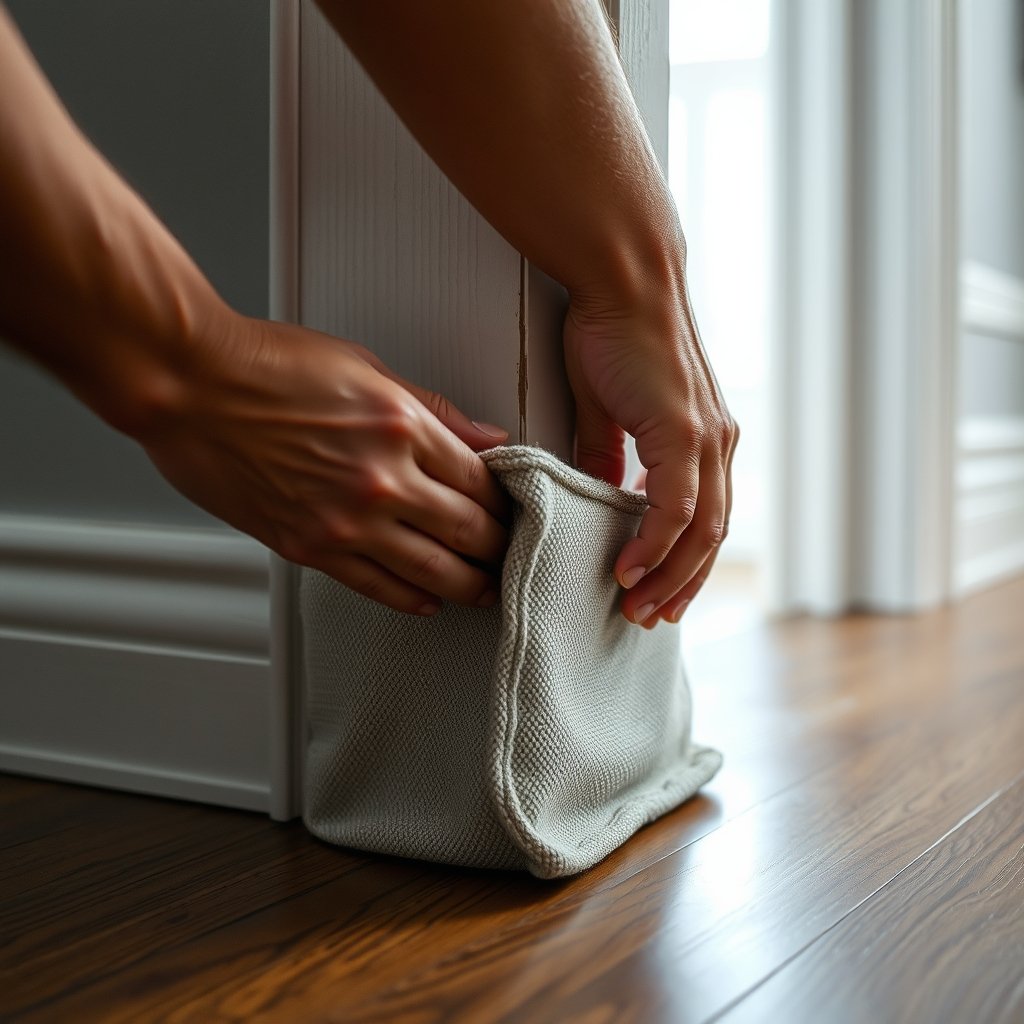
Installing a draft stopper can be paired with sealing up other vulnerable areas. For example, if you’re upgrading to a smart thermostat or considering a water recycling system, draft reduction offers a low-cost way to maximize the return on those bigger investments.
Advanced Analysis and Common Pitfalls
While door draft stoppers are a smart upgrade, it’s important to be realistic about their capabilities and potential issues. Here’s what most people overlook:
- Effectiveness Depends on Installation: The best stopper won’t work if it’s poorly installed. Small air gaps or misalignment will still permit drafts. Proper air sealing is a must.
- Not a Substitute for Whole-Door Upgrades: In cases of severe drafts due to structural problems, you may need to consider full door replacement. Sometimes, upgrading to Energy Star certified doors yields larger savings—potentially up to 13% on heating and cooling bills.
- Material Matters: Foam is easy but compresses over time; silicone and rubber give a longer-lasting seal and handle repeated door swings better.
- Other Benefits Often Overlooked: While energy efficiency is the big selling point, draft stoppers can also cut down on noise, keep out insects, and even reduce dust or pollen intrusion—yet most guides and sellers overlook this.
- Cost Considerations: DIY options can cost as little as $10 to $30, while having a contractor install a seal runs $50 to $150 (excluding larger upgrades). Compare this to replacing the front door—typically $300 to $1,000—or replacing glass panes at $450+, and it’s clear the ROI is high for simple draft stoppers.
| Material | Best For | Installation Ease | Lifespan | Cost (DIY) |
|---|---|---|---|---|
| Silicone | High-traffic doors, all climates | Moderate | 4-7 years | $15-$30 |
| Rubber | Heavy-duty, wet climates | Easy | 3-5 years | $10-$25 |
| Foam | Temporary use, rentals | Very Easy | 1-2 years | $6-$15 |
| Fabric (Weighted) | Sound, dust, quick fixes | No install | 3-7 years | $10-$22 |
If you’re interested in broader home upgrades, see our guides on DIY mini split AC installation and DIY backsplash solutions to modernize and optimize your home further.

Conclusion
Door draft stoppers offer a simple, affordable path to energy savings, improved comfort, and even extra noise and pest control. Take measurements, choose the right material, and install carefully to get the most out of this straightforward upgrade.
Whether you’re starting your journey to a more energy-efficient home or layering it with smart tech and other insulation, adding a door draft stopper is a high-ROI project that can pay off fast. Ready to make your home cozier and your bills lower? Take action today.
Frequently Asked Questions
How much can I really save on my energy bill with a door draft stopper?
While results vary by home, stopping air leaks can save you up to 15% on heating and cooling costs if you seal both doors and windows. Actual reductions depend on the size of gaps and other improvements you make.
Are door draft stoppers suitable for rental homes?
Yes, removable options like weighted fabric or non-adhesive silicone stoppers are great for rentals. They install without damaging doors or frames and are easy to take with you when moving.
What is the difference between a door draft stopper and weatherstripping?
Draft stoppers block gaps at the bottom (and sometimes sides) of the door, while weatherstripping typically seals the sides and top using foam, rubber, or vinyl to stop air leaks. Combine both for best results in extreme weather.
How often should I replace a door draft stopper?
Foam stoppers may need replacing every 1-2 years. Silicone, rubber, and quality fabric types usually last 3-7 years, depending on use and climate conditions. Always replace when compression or damage occurs.
Can a draft stopper help with noise or pests?
Yes, blocking door gaps can reduce outside noise and keep out drafts, dust, insects, and even pollen. It’s a simple upgrade with benefits beyond just energy savings.