

### Blog Post:
Solar outdoor lights are now a top choice for illuminating gardens, walkways, and patios while cutting electricity costs. But how do you select the right solar lighting, avoid common user frustrations, and actually make a meaningful upgrade to your property?
Key Takeaways
- Solar outdoor lights are rapidly growing in popularity, with major gains in performance and market size.
- Buyer frustrations often stem from placement, weatherproofing, and real-world brightness compared to claims.
- Understanding technical specs and shopping for warranties are crucial for a durable, reliable install.
- What Are Solar Outdoor Lights & Why Are They So Popular?
- How to Choose and Set Up Solar Outdoor Lights: Step-by-Step
- Advanced Analysis & Common Pitfalls
- Conclusion
- FAQs about Solar Outdoor Lights
What Are Solar Outdoor Lights & Why Are They So Popular?
Solar outdoor lights are weather-resistant lighting fixtures that use photovoltaic panels to collect sunlight, charging onboard batteries that power efficient LEDs at night. They eliminate the need for external wiring and reduce long-term energy costs, making them both convenient and environmentally friendly.
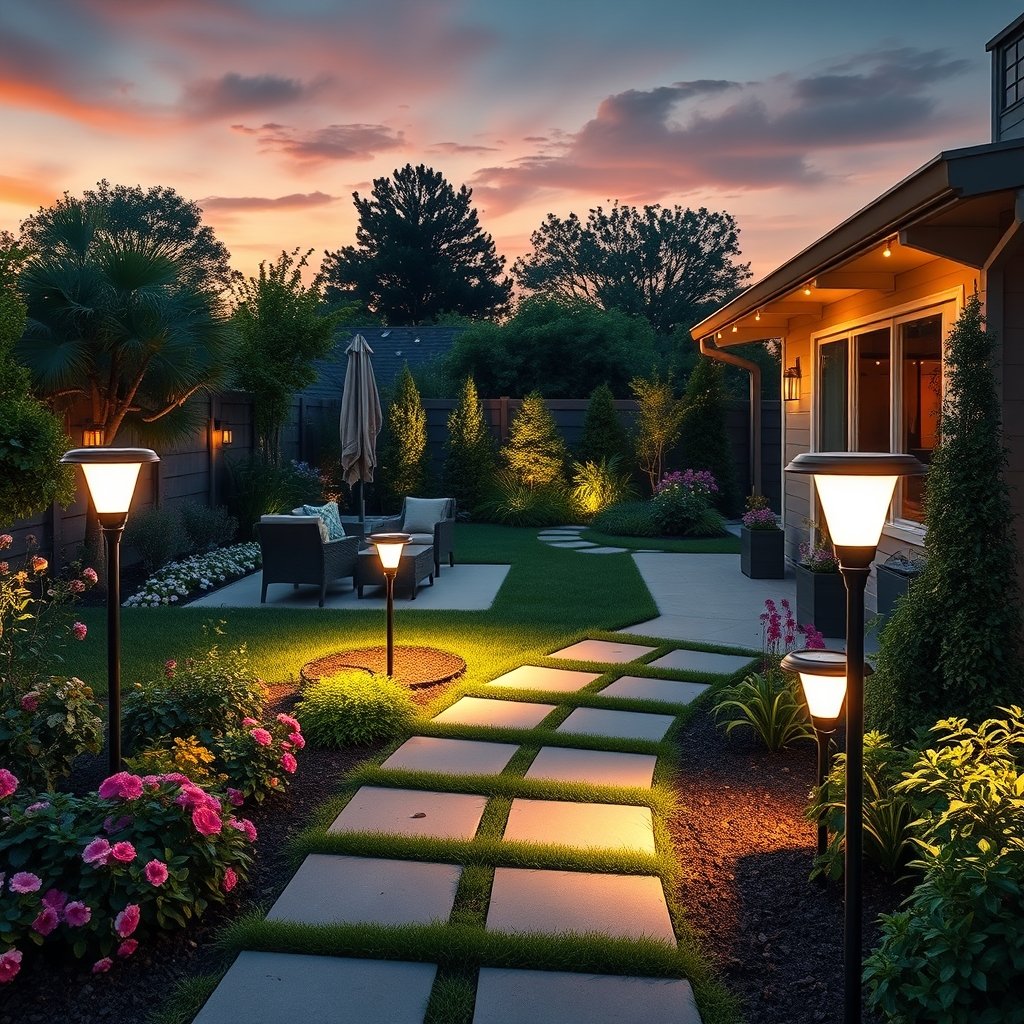
Urban and suburban homeowners are adopting these lights at record rates. According to Global Market Insights, the worldwide outdoor solar LED market reached nearly $9.8 billion in 2024. With over 68 million homes worldwide featuring some form of outdoor lighting, solar options account for an estimated 42 percent of the residential landscape lighting sector (Market Growth Reports). On top of high demand, the market is growing at nearly 19 percent per year, thanks to the convenience and ongoing cost savings of these systems.
Solar lights provide legitimate value: lower electric bills, simple installation, safer yards, and lower environmental impact. But selecting the right products means looking beyond the packaging—and being aware of a few hard truths hidden in the fine print and test data.
How to Choose and Set Up Solar Outdoor Lights: Step-by-Step
- Evaluate your outdoor space. Observe where you want new lighting and monitor how much direct sunlight each area receives. Do any parts of your walkway, garden, or yard get shaded by trees or buildings for multiple hours? Shade matters for solar charging.
- Plan your layout. Decide on the type (pathway, wall, flood, or decorative lights) and spacing. Keep in mind that most models are designed for flexible DIY installation, but optimal panel exposure is key for performance.
- Check specifications carefully. Prioritize claimed lumen output, charge time, battery type (lithium batteries last longer than older NiMH/cadmium tech), and whether the LEDs are integrated or replaceable. Look for products offering at least 400 lumens for pathway lights or 800+ lumens for flood/security use.
- Inspect durability ratings. Carefully research the product’s IP (Ingress Protection) rating. While direct data is lacking, choose models advertising at least IP65 or better for outdoor, all-weather use.
- Compare warranties and brand reputation. Many market leaders do not disclose warranty length or longevity figures, so always check what’s covered and read independent user reviews.
- Install with best practices. Mount solar panels where they receive uninterrupted sunlight for maximum charge. Follow installation manuals for proper elevation and staking depth, especially if your soil is loose or rocky.
- Test and adjust as needed. After installation, check for even coverage. Move lights that receive little sun or cast weak beams, and clean panels occasionally for peak performance.
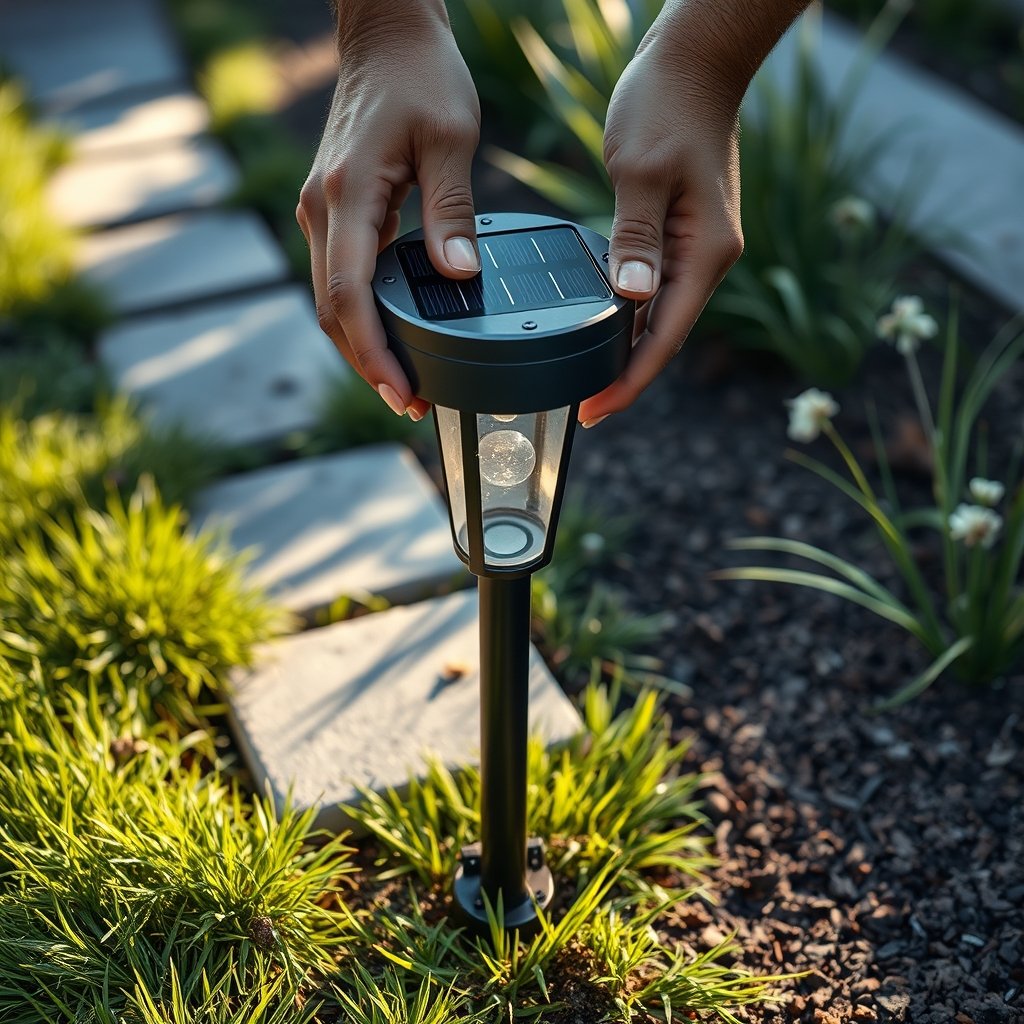
For a sustainable and water-saving landscape, consider pairing your solar lights installation with a native pollinator garden or a low-maintenance keyhole raised bed garden. Both ideas reduce yard workload and support local biodiversity while making your outdoor space pop after dark.
Advanced Analysis & Common Pitfalls
Behind their popularity, solar outdoor lights do have limitations buyers should know about. Key issues include:
- Shading dramatically reduces performance. Even a few hours of shade can prevent full battery charging, resulting in weak or short-lived nighttime lighting.
- Small panel size = limited charge. Compact, decorative fixtures may look nice but won’t deliver extended runtime in real-world weather, especially during cloudy seasons.
- Vague technical specifications. Many brands provide incomplete data. Always confirm lumens, battery type, battery capacity, and IP rating before you buy.
- Marketing claims may exaggerate lumens or durability. A light rated for “up to 1,200 lumens” will only achieve that under perfect conditions; many users report real-world results closer to half that on most nights (see market data).
- Winter weather can strain batteries. Extreme cold or excessive rain shortens battery life and may impact cheaper units.
| Feature | Solar Outdoor Lights | Traditional Wired Lights |
|---|---|---|
| Initial Installation | DIY, no trenching or wiring needed | Requires professional installation; trenching, conduit |
| Ongoing Energy Cost | $0 (solar-powered) | Monthly electric bill, variable cost |
| Maintenance | Occasional panel/battery cleaning or battery replacement | Bulb replacement, potential wiring repairs |
| Weather Resilience | Depends on IP rating and build quality; many lack clear certification | Generally robust, but vulnerable if wiring is exposed |
| Lumens Output | Typically 100-1,200 lumens (real world varies) | Greater range and consistency, up to several thousand lumens |
| Replacement Parts & Support | Often unclear; check warranty and user reviews | Widely available |
| Eco-Friendly | High (no grid use, recyclable materials preferred by 41% of buyers) | Lower (grid dependent, not always recyclable) |
Note: While municipal buyers report a three-year payback on larger solar lighting systems (Mordor Intelligence), there is a lack of reliable cost and maintenance data for consumer-grade pathway models. Always factor in potential future battery replacements and look for transparent warranty coverage.
Looking for additional ways to boost your home’s energy efficiency? Check out our greywater recycling system tips and explore smart thermostat incentives that pair well with solar upgrades.
Conclusion
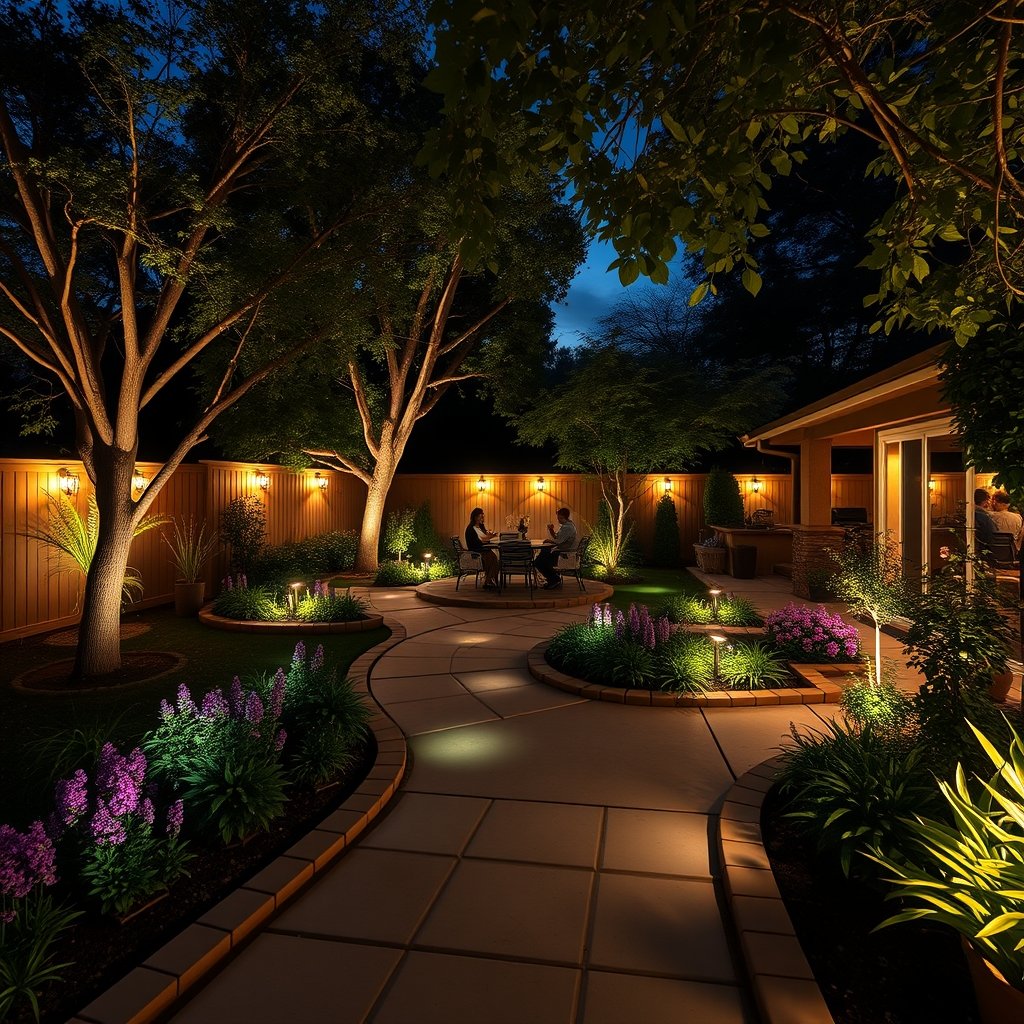
Solar outdoor lights are an easy, energy-smart upgrade that benefits your wallet, your property, and the environment. While buyers should be realistic about brightness, runtime, and product durability—especially in shaded or wet conditions—the latest models offer enough performance for most homeowners. Do your homework, check technical specs, and prioritize reliable brands with clear warranties before installing your next set of solar outdoor lights. Ready to enhance your landscape? Start planning your solar lighting layout today for a brighter, safer yard.
FAQs about Solar Outdoor Lights
How long do solar outdoor lights actually last at night?
Most quality models should last 6-10 hours if fully charged. Shady placement, frequent cloudy days, or an older battery can reduce this runtime to as little as 3-4 hours per night.
What happens if my yard is mostly shaded?
Solar lights need direct sun for best results. If your installation site is shaded, performance will drop. Try remote-mounting the solar panel in a sunnier spot and running a line to the light itself.
Are solar lights waterproof?
Most outdoor-rated models are weather-resistant but may not be fully waterproof. Always look for an IP rating (ideally IP65 or higher) to ensure rain and dust protection. Not all brands disclose this detail, so check before you buy.
How do I maintain solar outdoor lights?
Wipe panels clean every few weeks, replace batteries every 1-3 years, and check that fixtures remain upright and unshaded. That’s usually enough for reliable operation.
Can I install solar lights myself?
Yes. Most consumer-grade models are made for DIY setup—just read the instructions and avoid placing them in deep shade or where rainwater can pool around the housing.
—