

### Blog Post:
Wall mounted desk solutions are becoming the go-to answer for maximizing productivity in today’s small urban homes and apartments. If you’re struggling with space, want a home office that doesn’t dominate your living room, or crave furniture that disappears when not in use, read on. This practical guide is for you.
Key Takeaways
- Wall mounted desks are rapidly growing in popularity due to rising space constraints in urban homes and apartments.
- Choosing the right model requires planning for wall compatibility, weight capacity, and multi-functionality—most people overlook at least one crucial factor.
- Most competitor guides skip real user mistakes, price ranges, and technical selection specs—these are covered in detail below.
- What is a Wall Mounted Desk? Why They Work for Small Spaces
- How to Choose and Install a Wall Mounted Desk (Step-by-Step)
- Analysis: Real Problems, Pitfalls, and What Competitors Miss
- Conclusion: Should You Invest in a Wall Mounted Desk?
- Frequently Asked Questions
What is a Wall Mounted Desk? Why They Work for Small Spaces
A wall mounted desk, sometimes known as a floating desk, is a workstation that attaches to your wall—freeing up valuable floor space. Unlike traditional desks, these designs are minimalist, often foldable, and help turn tiny nooks, hallways, or bedroom corners into highly functional work areas.
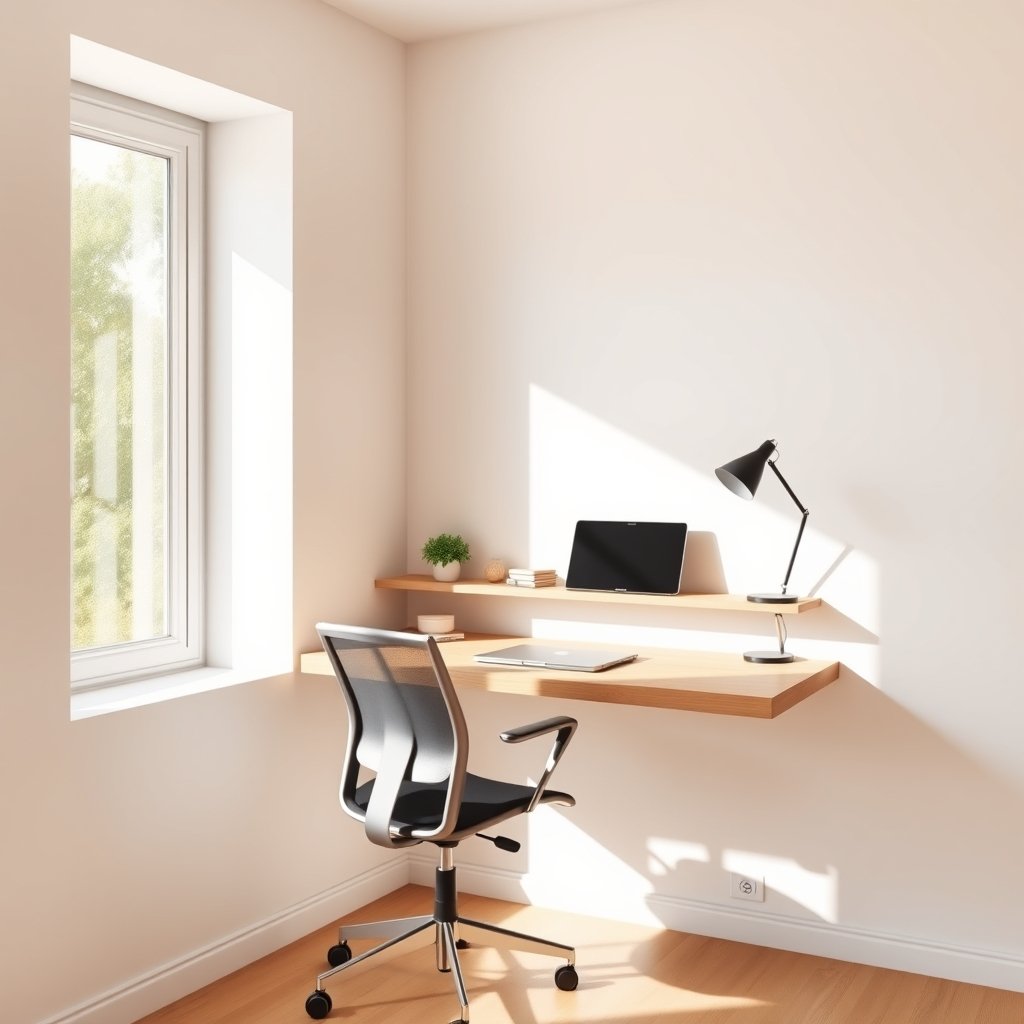
Market trends show that in 2024, demand for compact, wall-mounted, and floating furniture has captured 29% of the market share among urban millennials. Cities like New York and Hong Kong—with average apartments under 700 square feet—inspire creative furniture choices, and nearly half of apartment dwellers avoid large furniture altogether (source).
Wall mounted desks are gaining sales in Asia and big Western cities, with fold-out options seeing a 19% rise each year and 48% of buyers preferring dual-purpose modules (source). Many models even support smart upgrades like USB and wireless charging. These desks are a good fit for remote workers, renters, students, and anyone who wants to make every inch count.
If you’re considering other space-maximizing furniture options, also check out a Murphy bed desk combo for an all-in-one solution.
How to Choose and Install a Wall Mounted Desk (Step-by-Step)
-
Measure your wall and available space.
Start by measuring the width and height where you want to install your desk. Make sure to locate wall studs if planning to support significant weight. Most floating desks are ideal for nook widths of 30 to 48 inches. -
Check wall type and assess load capacity.
Drywall, brick, and plaster have different anchor and mounting needs. Narrow down desks by their stated load capacity—many entry-level units support 20-50 pounds, but some are rated for up to 100 pounds. -
Choose features and materials.
Decide if you want fold-away, drop-leaf, fixed, or smart wired desks. Multi-functional, modular, and smart models (e.g., with USB/wireless charging) tend to cost more but offer more value for tech-based work. Wood provides warmth; metal offers maximum durability. -
Order hardware and tools before delivery.
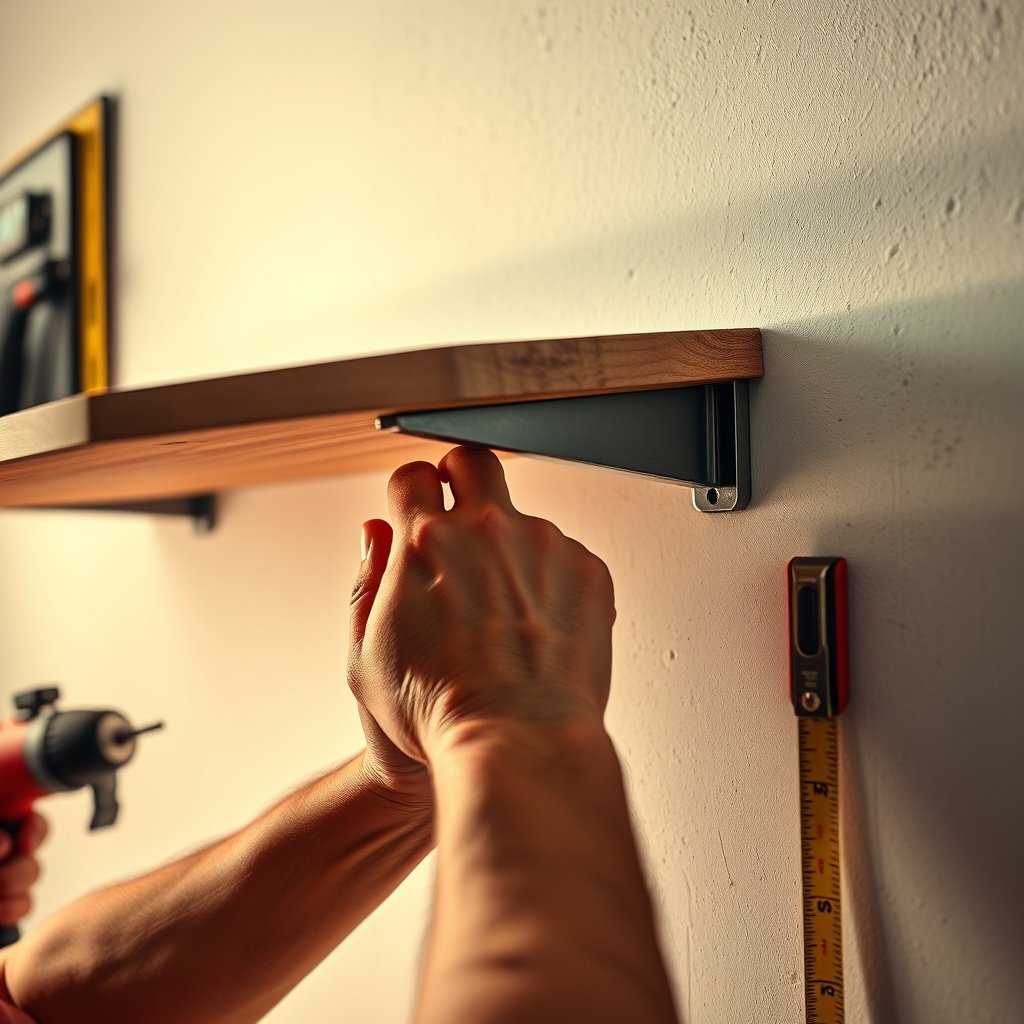
Some models come with basic hardware, but many don’t offer high-quality anchors or require special tools such as a stud finder, drill, level, toggle bolts, or bracket reinforcements. -
Install following safety and leveling steps.
Pre-drill pilot holes into wall studs for optimum strength. Use heavy-duty brackets for desks supporting monitors or computers. Level carefully to avoid wobble. Secure latches for fold-out models. Consider protective pads or bumpers for fold-down surfaces. -
Personalize for workflow.
Add modular shelves, cable trays, or under-desk storage as needed. For children’s rooms, opt for rounded corners and mount at child height. For renters, consider damage-free mounting strips or portable bracket systems. Add a mini plant or lamp.
Want more small-space workspace ideas? Try blending your wall mounted desk set-up with a DIY garage upgrade in studios or custom shelving for efficient garage storage.
Analysis: Real Problems, Pitfalls, and What Competitors Miss
Most guides on wall mounted desks don’t tell you what can go wrong—or how to solve realistic issues:
- Poor wall anchoring: Installing into drywall without hitting studs or using proper anchors is the #1 cause of desk falls and damage.
- Overloading desk weight: Many buyers exceed the advertised weight, putting computers, monitors, and books on a desk designed for a laptop—not realizing the risk until it’s too late.
- Wobble and sag: Long, minimally supported shelves can gradually bow, especially if made of particleboard or MDF. Always check the material and bracket type.
- Lack of price transparency: Market research does not currently offer clear price points—expect higher costs for modular, custom, or “tech” desks. Budget models may lack durability or capacity.
- Missing technical specs: Most marketing skips hard numbers: Always demand stated load capacity, desk depth, and minimum wall requirements before buying.
- No installation help for renters: Permanent mounts can create problems at move-out. Look for easily detachable, no-drill solutions if you’re planning for rentals.
- Lack of certifications: Few brands cite safety engineering or ASTM/FSC certifications. Smart desk buyers should ask for documented load tests or independent safety reviews.
| Feature | Basic Desk | Mid-Range Desk | Smart/Multi-Feature Desk |
|---|---|---|---|
| Estimated Price (2024) | $59-$129 | $130-$299 | $300-$700+ |
| Weight Capacity | 20–40 lbs | 40–80 lbs | 50–100+ lbs |
| Key Materials | Particleboard, MDF | Solid wood, metal frame | Engineered hardwood, steel, integrated electronics |
| Adjustability | Fixed height | Some height adjustability | Height-adjustable, fold-out, modular |
| Features | N/A | Fold-down, basic shelves | USB ports, wireless charging, lighting, modular add-ons |
| Certifications | None | Sometimes (FSC/low-VOC) | Few (ask for ASTM or independent testing) |
Looking for more dual-purpose furniture ideas that maximize practicality? Explore the popular Murphy bed desk combo for even more flexibility.
Conclusion: Should You Invest in a Wall Mounted Desk?
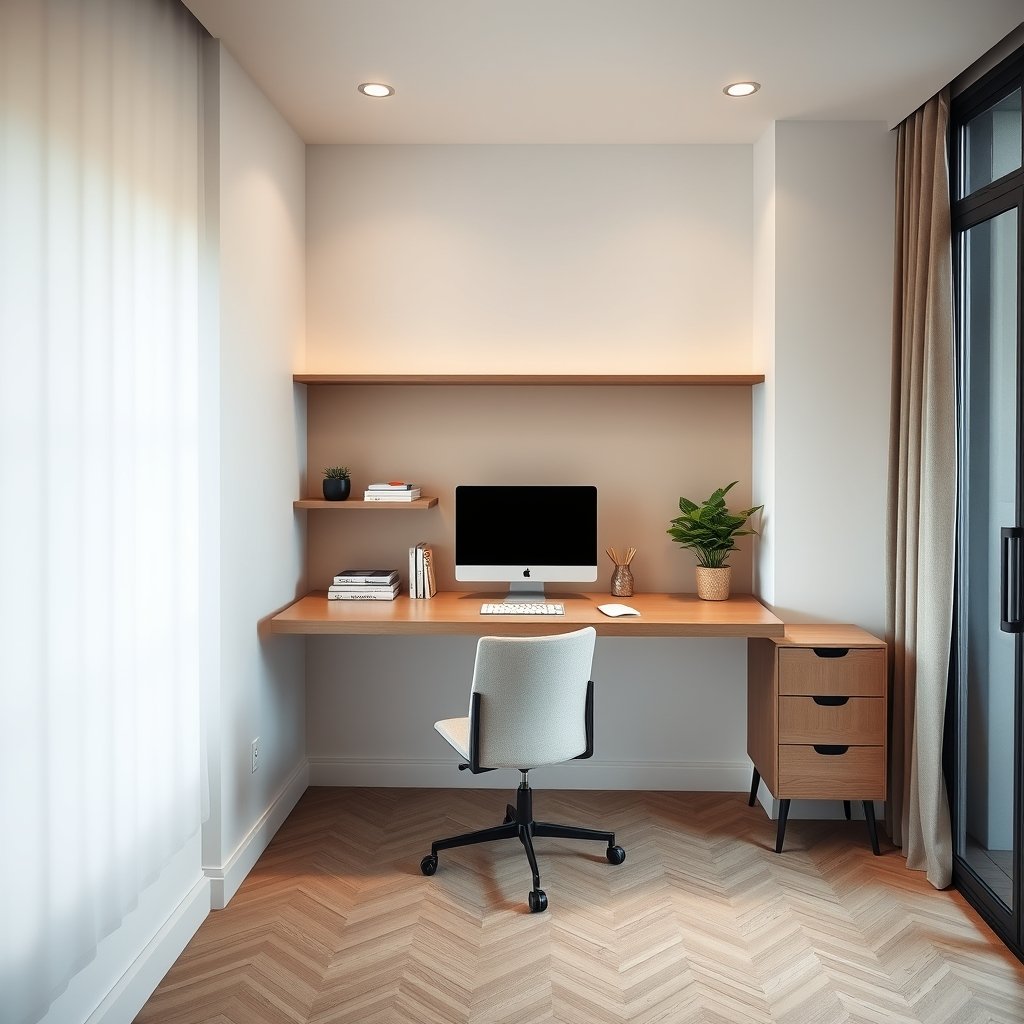
If optimizing small spaces is your goal, wall mounted desks are a proven, fast-growing solution with clear market demand and real-life utility. Always check technical specs, budget for heavy-duty hardware, and plan for flexible usage. Whether you need a simple study nook, a fold-out work zone, or a tech-laden command post, there’s a wall mounted desk for you. Don’t underestimate the impact of proper planning—your productivity (and your walls) will thank you.
Ready to transform your space? Choose your wall mounted desk today and start reclaiming your room, inch by inch. For more sustainable living ideas, see our guides on greywater recycling systems and eco-friendly pollinator gardens.
Frequently Asked Questions
How much weight can a wall mounted desk support?
Typical entry-level wall mounted desks can support 20–40 pounds, while mid-range and smart modular models may support up to 100 pounds or more. Always check for load ratings and use proper wall anchors (source).
Can I install a wall mounted desk if I rent?
Yes, many renters use temporary bracket systems, French cleats, or removable command strips to create a non-permanent installation. Always check your lease before drilling, and opt for damage-free hardware when possible.
Are wall mounted desks stable for computer setups?
They can be, but you must mount directly into wall studs using heavy-duty brackets for stability. Avoid overloading beyond the intended weight, especially with dual monitors or heavy equipment. Seek models with reinforced frames for best results.
What is the best material for a wall mounted desk?
Solid wood with a metal or reinforced frame offers the best combination of durability and aesthetics. Engineered wood is common and lighter for fold-down models but may sag over time. Metal and composite desks suit rugged or industrial looks.
How do wall mounted desks compare with Murphy beds or other space saving furniture?
Wall mounted desks are ideal for compact workspaces and disappear when folded. Murphy bed desk combos provide both a bed and a work zone—best for studios or multi-purpose rooms. Read more on our Murphy bed desk combo guide.
—