

window insulation kit solutions quickly reduce heat loss in the home, offering an affordable way to boost comfort and save on heating bills without major window replacements.
Key Takeaways
- Windows can be responsible for up to 43% of heat loss, making them the weakest link in many homes’ energy efficiency.
- Using a window insulation kit is simple, cost-effective, and potentially delivers noticeable comfort improvements in the winter months.
- Modern upgrades like aerogel-insulated windows offer even better energy savings, but window kits remain a top budget-friendly fix for most households.
- What is a Window Insulation Kit and Why Use One?
- How to Use a Window Insulation Kit: Step-by-Step
- Advanced Analysis & Common Pitfalls
- Conclusion
- FAQ
What is a Window Insulation Kit and Why Use One?
A window insulation kit is a ready-to-use package (usually including plastic film and double-sided tape) designed to seal window frames and glass, conserving heat that would otherwise escape through single-pane or older windows. By applying a clear film over the window’s interior surface, the kit creates an insulating air barrier that reduces winter drafts and energy loss.

Using a window insulation kit can translate into real savings because windows, though a small percentage of a home’s surface, contribute to nearly half of winter heat loss [DOE]. This DIY upgrade is ideal for renters, homeowners seeking a stopgap, or anyone wanting rapid results.
For comparison, permanent solutions like double glazing and high-tech materials such as aerogel-insulated windows can slash heat loss by 65% but are often costly and require professional installation. Kits deliver a cost-effective alternative, particularly when high-performance window replacement isn’t in the budget.
If you’re planning a larger home improvement, consider integrating window insulation alongside upgrades like epoxy floor coating for your garage or researching smart efficiency devices such as a smart thermostat with energy rebate for broader savings.
How to Use a Window Insulation Kit: Step-by-Step
Applying a window insulation kit is straightforward and designed for DIYers of any skill level. Follow these steps for best results:
- Unpack and Prepare Surfaces: Wipe down the window frame and glass with an alcohol-based cleaner. Let all surfaces dry completely—don’t rush, as lingering moisture ruins adhesion.
- Measure and Cut: Measure the frame (side to side and top to bottom). Cut your plastic film to overlap the window by at least 2-3 inches on all sides.
- Apply Double-Sided Tape: Attach the tape to the window frame (not the glass) in a continuous strip. Press firmly to avoid air pockets.
- Place the Film: Peel the tape backing. Starting at the top, stretch the film across the window and gently press onto the tape, working your way down and outwards to avoid bubbles.
- Shrink and Seal: With a hair dryer, use medium heat to shrink the film. Hold the dryer several inches away, moving steadily so the plastic tightens, clears, and seals to the frame.
- Trim Excess Film: Use a sharp utility knife or scissors to carefully remove overhanging edges for a clean, nearly invisible finish.
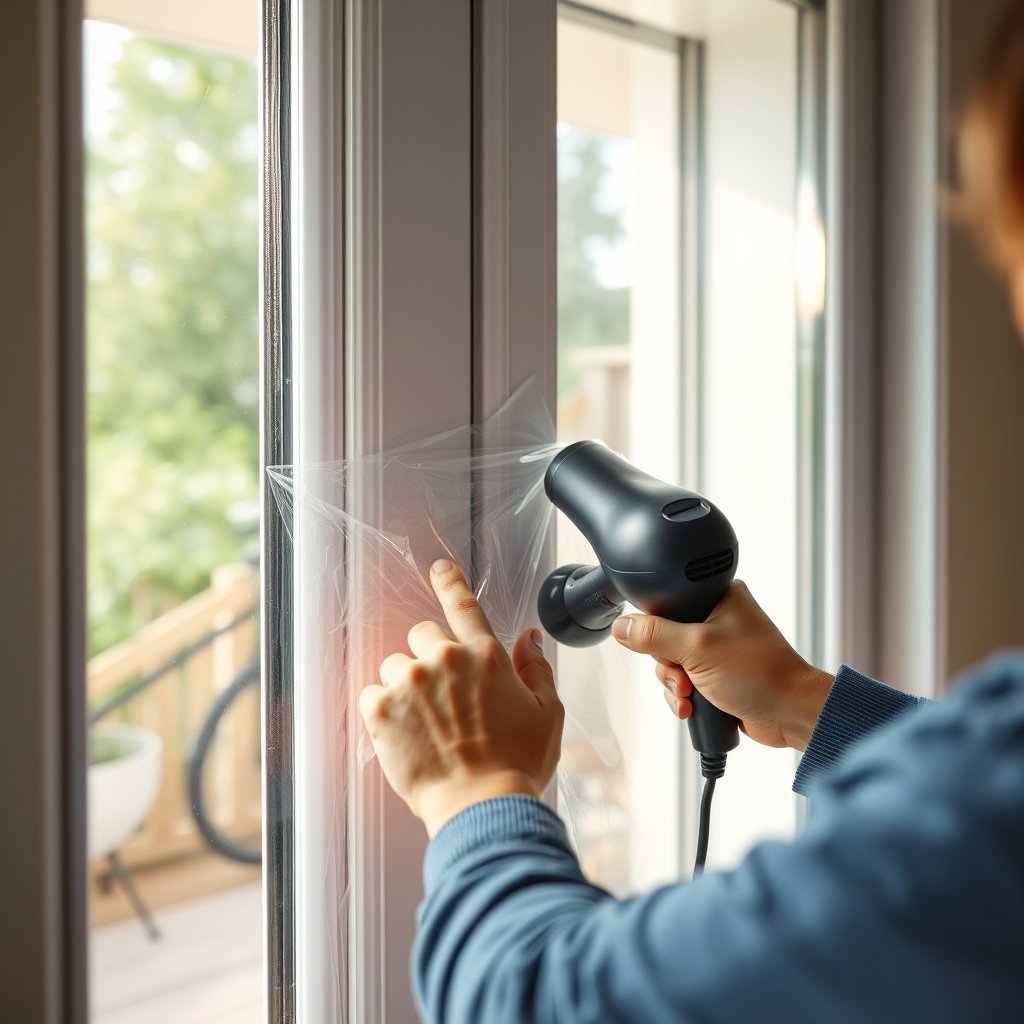
Additional Tips:
- Start with windows in rooms you use most often.
- Double check for air leaks by running your hand around the film’s edges after application. Any cold drafts? Reseal with additional tape.
- Carefully remove the kit after winter; adhesive residue comes off best with isopropyl alcohol or commercial adhesive remover.
For eco-conscious households, keep in mind that while traditional window insulation kits use single-use plastics, some brands offer recyclable films. Consider pairing your kit with water-saving upgrades or a compost tumbler for a holistic eco-home strategy.
Advanced Analysis & Common Pitfalls
While window insulation kits are effective for immediate comfort, several practical issues can arise when applying or using them. Here’s what the latest research and real-world experience suggest:
- Adhesive Struggles: In cold or damp conditions, tape may not stick well. If the tape pulls off or the film sags, the seal’s effectiveness drops quickly.
- Residue Woes: Removing old tape and film can leave sticky residue on painted or stained wood, sometimes requiring time and specialized cleaners.
- Condensation Traps: Improper application (or existing condensation problems) can trap moisture under the film—risking mold or damaged window sills.
- Durability Problems: Films are thin and prone to punctures from pets, kids, or everyday accidents. Even a small hole can make the entire kit ineffective.
- Limited Effectiveness in Extreme Cold: Kits are most beneficial for single-pane windows. For severe climates or if your windows are already double-glazed, expect smaller gains.
Below, see how window insulation kits compare against newer technologies and other insulation methods:
| Option | Typical Heat Loss Reduction | DIY-Friendly? | Cost (2024) | Durability | Downsides |
|---|---|---|---|---|---|
| Window Insulation Kit | 10–20% | Yes | Low (est. $10–$30 per window) | One season | May leave residue, punctures easily |
| Double Glazing | 30–50% | No (pro install) | High (varies) | 20+ years | High upfront cost |
| Aerogel/Advanced Windows | Up to 65% | No (pro install) | Very High | 20+ years | Cost, availability |
| Vacuum-Insulated Shutters | 50–60% | No (pro install) | High | 10+ years | Complex install |
Modern window tech, such as aerogel inserts or vacuum insulation panels, radically improves efficiency but remains expensive and sometimes unavailable to homeowners. For most, a window insulation kit is still the lowest-cost, highest-impact first step.
Don’t overlook regulatory factors. While 2024 saw tighter building codes driving interest in high-efficiency windows, there are still no new federal standards or certifications for DIY window kits. Always check compatibility with rental rules or heritage properties.
If tackling a bigger renovation, pair window upgrades with space-maximizing furniture like a Murphy bed desk combo or whole-home solutions such as water filtration systems for an all-around efficiency boost.

Conclusion
When you need fast, practical insulation results, a window insulation kit is an easy DIY that can immediately reduce indoor drafts and energy waste, especially in older or single-pane windows. While the gains can’t match those of pricier options like aerogel, a window insulation kit remains the top quick-win for renters, budget-conscious homeowners, or anyone facing drafts this winter.
Ready to cut your heating bills? Pick up a kit, follow the steps above, and notice the day-one comfort difference. For ambitious projects, don’t forget to research other upgrades—like garage storage systems or DIY peel and stick backsplashes—to make your home even more liveable and efficient.
FAQ
How much energy can I really save with a window insulation kit?
Most users report a 10-20% reduction in window heat loss, translating to a more comfortable room and some reduction in heating costs. Actual savings vary based on window type, climate, and home size.
Will a window insulation kit damage my windows or paint?
Most kits use removable double-sided tape, which is safe if applied to clean, dry, non-porous surfaces. Residue may be left behind, especially on painted or old wood frames, but can be removed with isopropyl alcohol.
Do window insulation kits block natural light or views?
No—kits use clear shrink film, which is designed to be virtually invisible after installation. However, improper application or wrinkles may cause slight distortion.
Can I use window insulation kits year-round?
Kits are meant for winter drafts; most people remove them in spring to enjoy ventilation. Leaving them up year-round may trap condensation and isn’t recommended in humid climates.
Are there new technologies that outperform window films?
Yes—vacuum-insulated shutters and aerogel-enhanced window inserts are revolutionizing energy efficiency, but they come with higher costs and usually require professional installation. For now, kits remain the fastest and most accessible improvement.